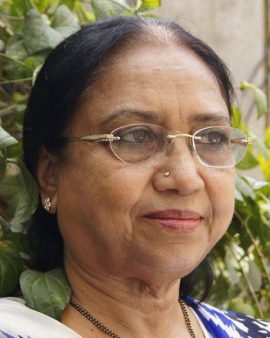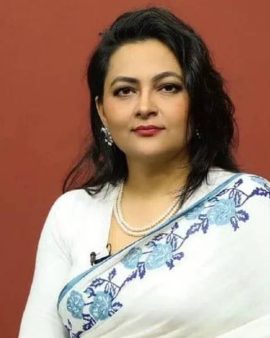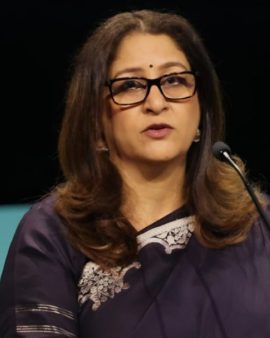
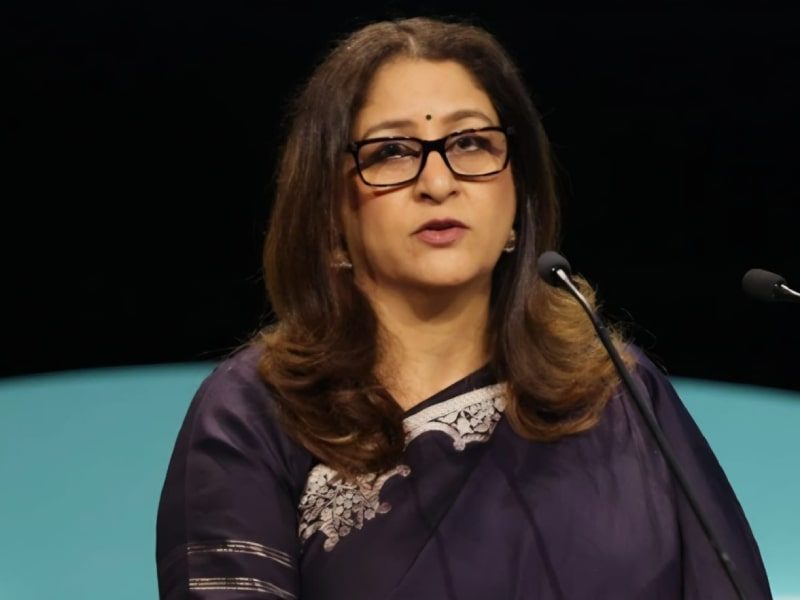
Safeena Husain: Championing Girls’ Education in Rural India
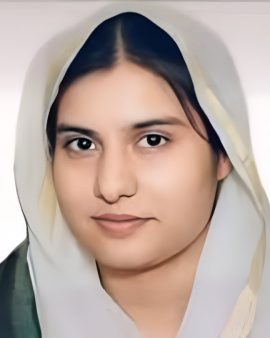
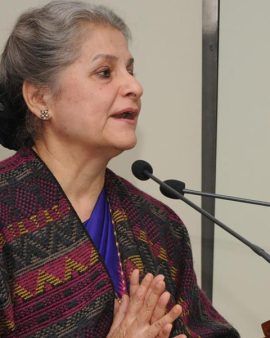
Safeena Husain is a globally respected social entrepreneur and education reformer, best known as the founder of Educate Girls, a non-governmental organization that has transformed the landscape of girls’ education in some of India’s most marginalized rural communities.
In 2025, her pioneering work received international recognition when Educate Girls was conferred the prestigious Ramon Magsaysay Award, making it the first Indian organization to receive this honour for its impact in the field of education and gender equity.
Safeena Husain founded Educate Girls in 2007 with a clear and urgent mission: to end gender disparity in education by ensuring that every girl has access to quality schooling. At a time when millions of girls in rural India were excluded from classrooms due to poverty, early marriage, social norms, and lack of infrastructure, she envisioned a community-led movement that would address these barriers at their roots.
Under her leadership, Educate Girls adopted a unique model that combines grassroots mobilisation with rigorous data-driven strategies. The organization works closely with village communities, local leaders, parents, and government schools to identify out-of-school girls, re-enrol them, and support their continued education. Central to this approach is the training of local volunteers—often women—who become champions of change within their own villages.
Educate Girls has achieved remarkable scale and impact. The organisation has successfully enrolled millions of out-of-school girls into formal education and significantly improved learning outcomes in foundational literacy and numeracy across thousands of government schools. Its innovative use of metrics, outcome-based financing, and accountability has made it a global case study in evidence-based social impact.
The Ramon Magsaysay Award in 2025 recognised Safeena Husain’s visionary leadership and the organisation’s proven ability to deliver measurable change at scale. Beyond awards, her work stands as a powerful testament to how community participation, gender equity, and education can reshape futures.
Safeena Husain continues to inspire policymakers, educators, and social entrepreneurs, firmly establishing girls’ education as not only a moral imperative but a cornerstone of India’s social and economic progress.