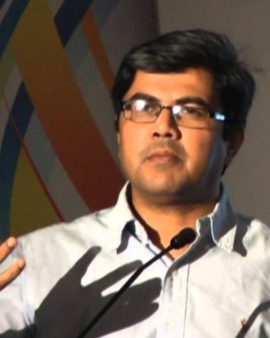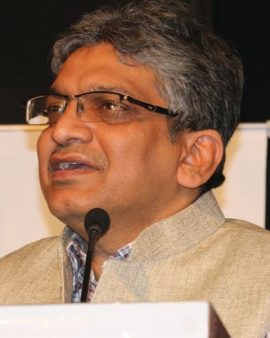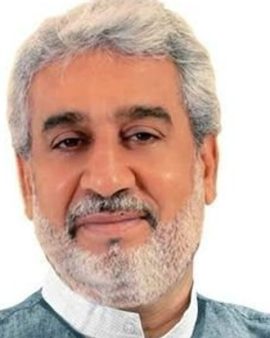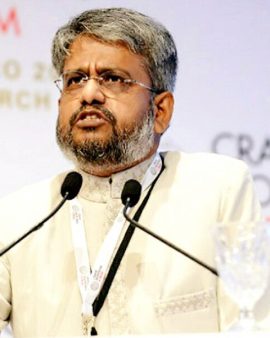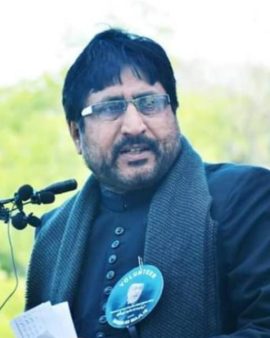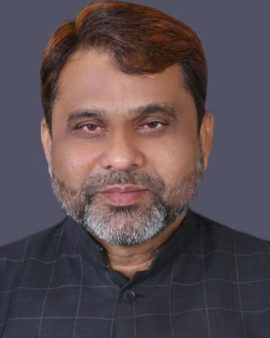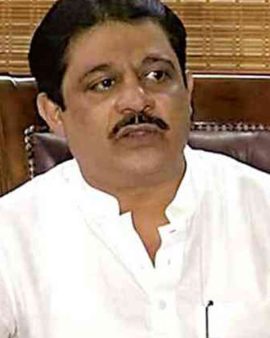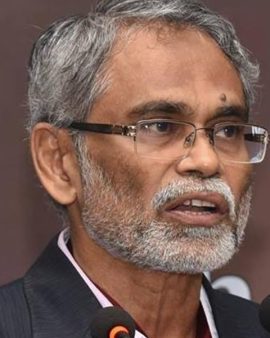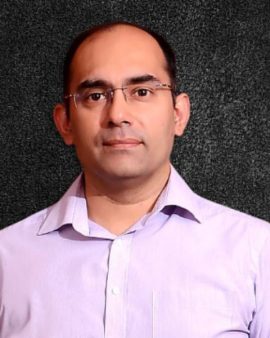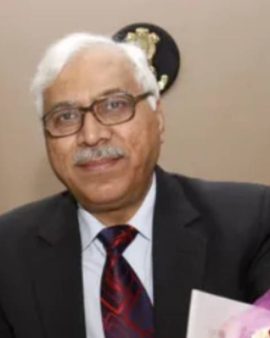
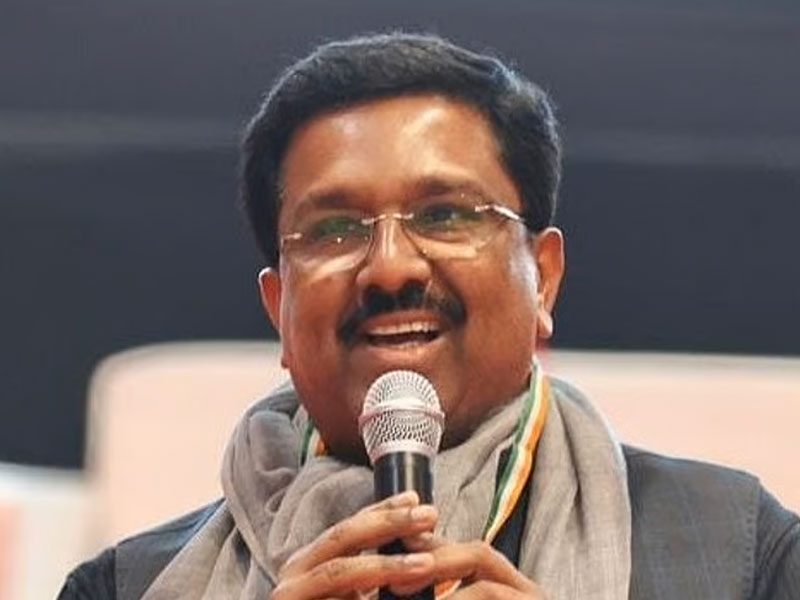
Dr. Syed Naseer Hussain: Parliamentarian and Key Strategist of the Indian National Congress
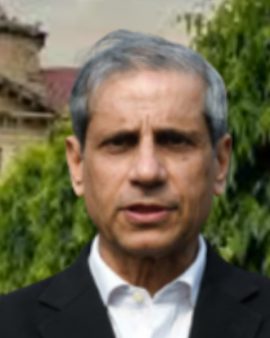
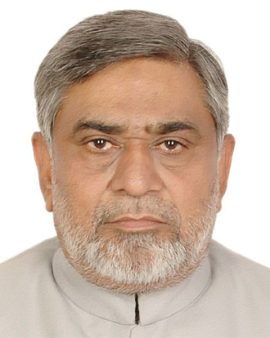
Dr. Syed Naseer Hussain (born 10 June 1970) is a senior Indian politician from Karnataka and a prominent leader of the Indian National Congress (INC). He currently serves as a Member of Parliament in the Rajya Sabha, representing Karnataka. Within the Congress organisation, he holds several crucial responsibilities, including Member of the Congress Working Committee (CWC), General Secretary in charge of Jammu & Kashmir and Ladakh, National Spokesperson, and Whip of the Congress Parliamentary Party (CPP) in the Rajya Sabha.
Dr. Hussain played a key organisational role in the party’s highest office. He served as Officer on Special Duty to the President of the Indian National Congress, Shri Mallikarjun Kharge, from December 2023 to February 2025, and earlier acted as campaign manager for Kharge during the Congress presidential election. Known for his articulate interventions, he has emerged as a strong parliamentary voice on constitutional values, civil liberties, farmers’ rights, labour laws, and democratic accountability. His commitment to protest inside Parliament has led to multiple suspensions, reflecting his confrontational yet principled political style.
Born in Channagiri, Davanagere district, and raised in Ballari, Dr. Hussain comes from a socially conscious Kannadiga Muslim family. His father, Syed Hafeez, was a trade union leader and KSRTC traffic inspector, while his mother, Akhtar Unnisa, served as a government school headmistress. Their progressive outlook and emphasis on education deeply shaped his political and social worldview.
A lifelong student leader, Dr. Hussain’s political journey began early and flourished through successive leadership roles in educational institutions across Karnataka. He graduated in History, Economics, and Political Science from St. Philomena’s College, Mysore, earned a Master’s degree in Political Science from the University of Mysore, and later completed his M.Phil and Ph.D in International Relations from Jawaharlal Nehru University (JNU), New Delhi. At JNU, he rose through the ranks to become President of the JNU Students’ Union (1999–2000), cementing his reputation as a formidable organiser and debater.
With decades of political activism, academic grounding, and organisational experience, Dr. Syed Naseer Hussain stands out as one of the Congress party’s most articulate and strategically significant leaders from Karnataka.