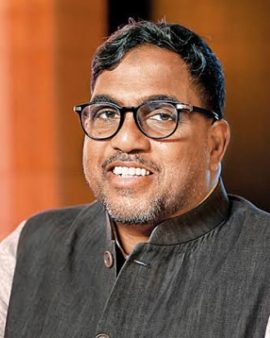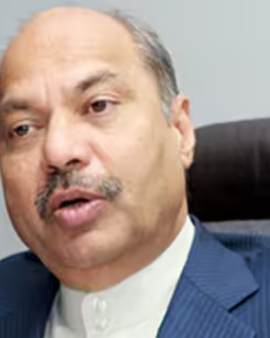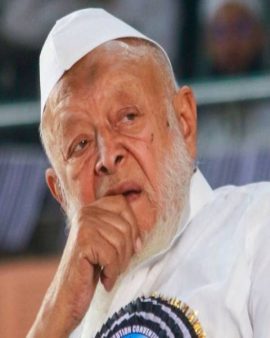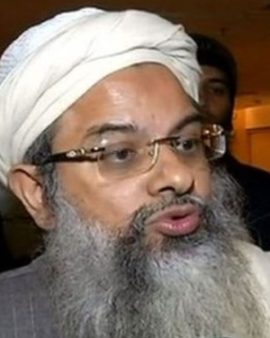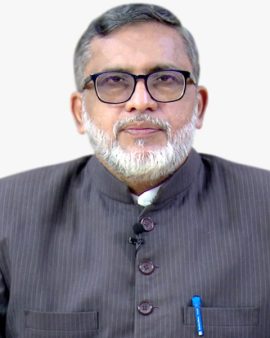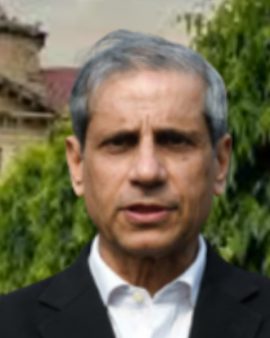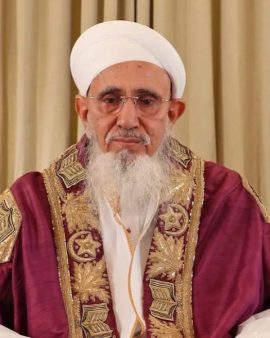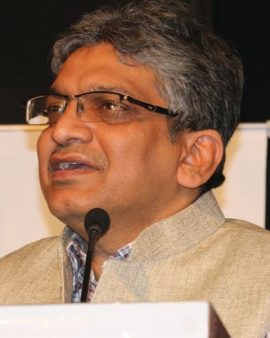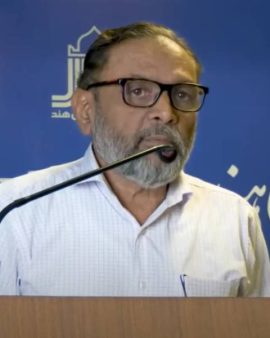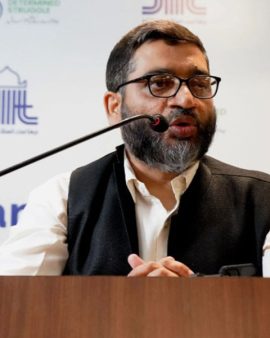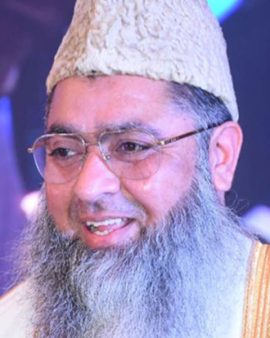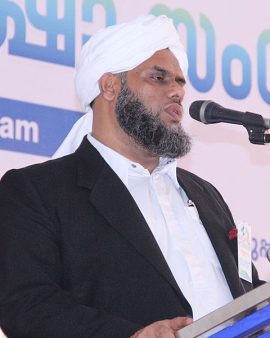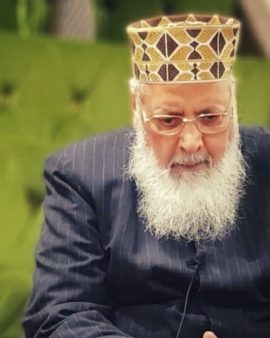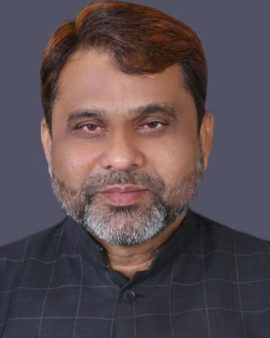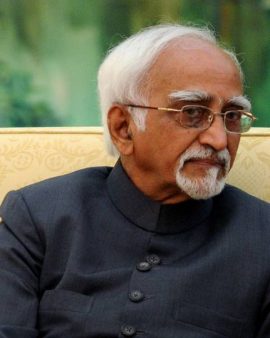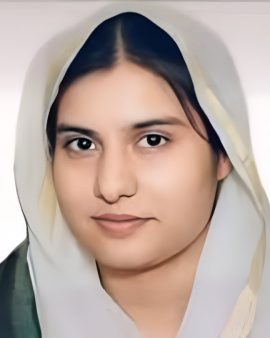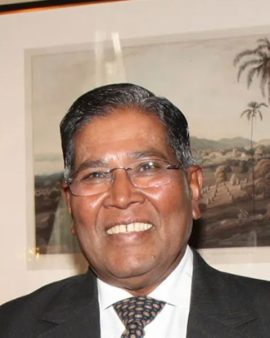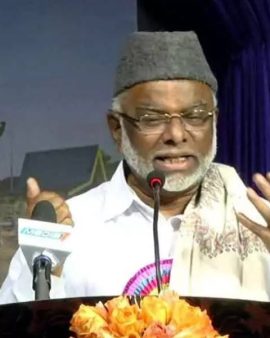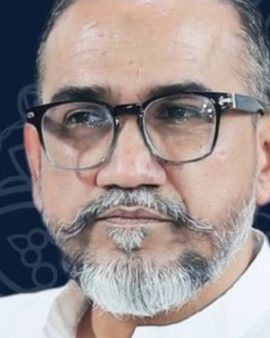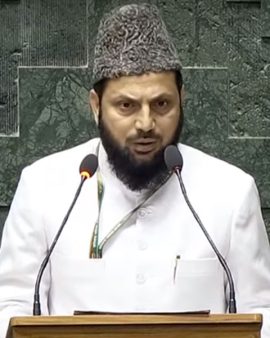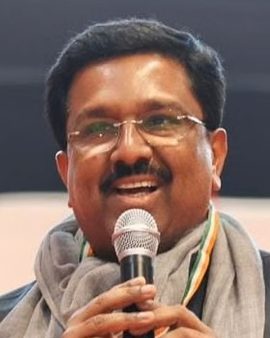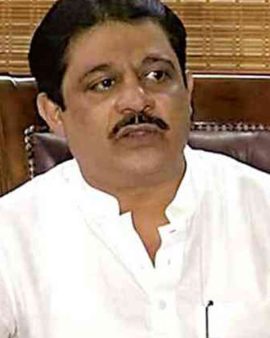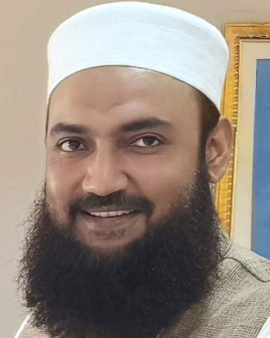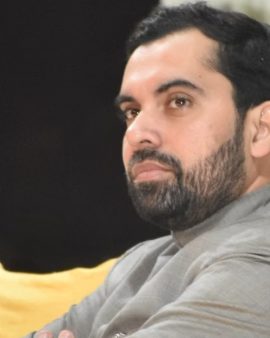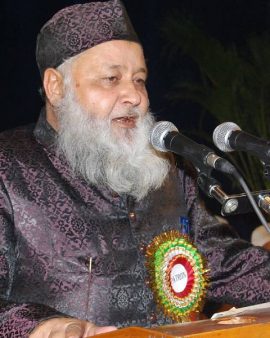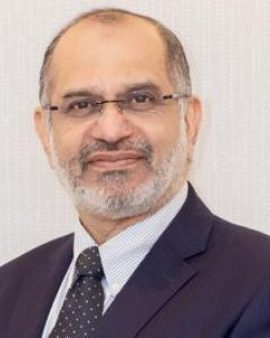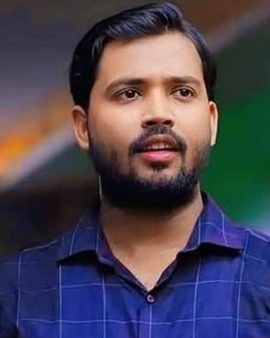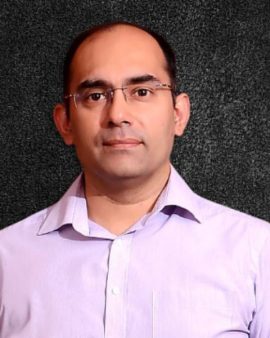
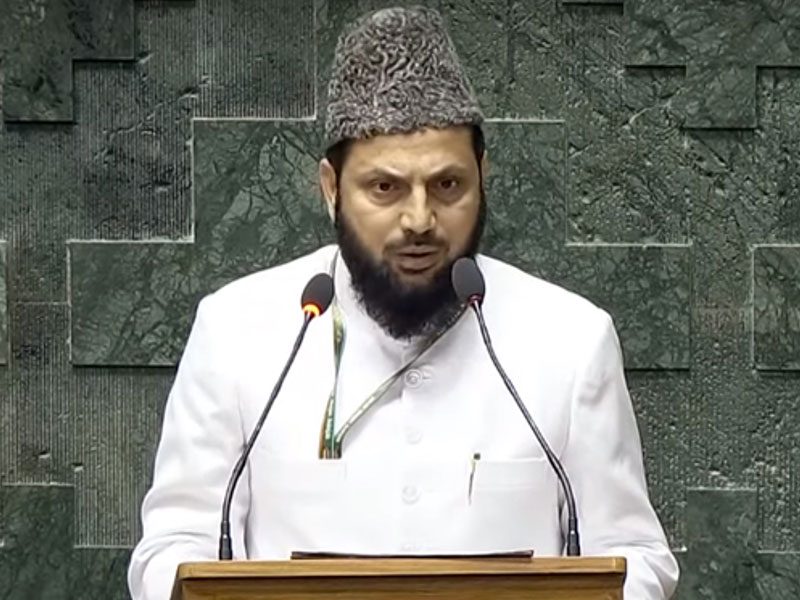
Mohibbullah Nadvi

Mohibbullah Nadvi - Mohibbullah Nadvi, Mohibullah Nadvi, Maulana Mohibbullah Nadvi, Maulana Mohibullah Nadvi, MP Mohibbullah Nadvi, Rampur MP Mohibbullah Nadvi, Imam Mohibbullah Nadvi, Parliament Street Mosque Imam Mohibbullah Nadvi, Nadwatul Ulama Scholar Mohibbullah Nadvi
#MohibbullahNadvi, #MohibullahNadvi, #RampurMP, #IndianIslamicScholar, #MuslimPolitician, #LokSabhaMP, #ParliamentStreetMosqueImam, #SamajwadiParty, #MinorityRepresentation, #IndianMuslimLeadership, #FaithAndPolitics, #VoiceOfIndianMuslims, #TopInfluentialIndianMuslims

Mohibbullah Nadvi


Mohibbullah Nadvi: Islamic Scholar and Member of Parliament from Rampur

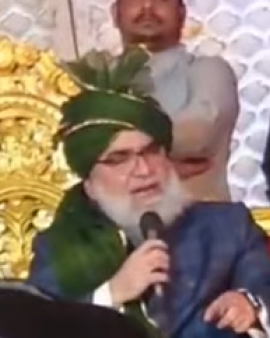
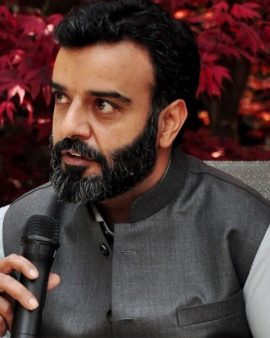
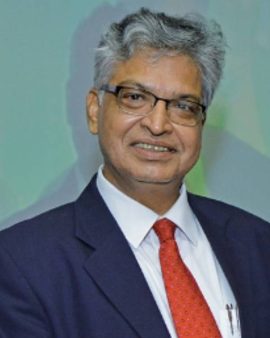
Mohibbullah Nadvi (born 1 January 1976) is an Indian Islamic scholar, cleric, and politician who currently serves as a Member of Parliament in the Lok Sabha, representing the Rampur constituency of Uttar Pradesh. He is also the Imam of the Parliament Street Mosque in New Delhi and is affiliated with the Samajwadi Party.

Born in Razanagar village of Rampur district to Mohammad Ali, Nadvi received his early religious education locally, memorising the Quran (Hifz) in Rampur before continuing his studies at a madrasa in Sambhal. He later pursued advanced Islamic education at Darul Uloom Nadwatul Ulama, Lucknow, where he earned the title “Nadvi,” signifying his scholarly training.

Seeking broader academic exposure, Nadvi briefly studied in Aligarh before enrolling at Jamia Millia Islamia, New Delhi, where he completed a Bachelor’s degree in Arabic (Honours). He later obtained a Master’s degree in Islamic Studies and a Bachelor of Education (BEd) from Al-Falah University, reflecting his engagement with both traditional and modern education systems.

On 28 March 2005, Mohibbullah Nadvi was appointed Imam of the Parliament Street Mosque, a historic religious institution frequented by political leaders, diplomats, and parliamentarians. His role brought him national visibility as a religious figure closely associated with India’s political centre.

In the 2024 Lok Sabha elections, Nadvi entered electoral politics and defeated BJP candidate Ghanshyam Singh Lodhi by a margin of 87,434 votes, marking a significant political victory in Rampur. In Parliament, he has spoken on national and international issues, advocating India’s role as a mediator in global conflicts, including Gaza and Ukraine, emphasising humanitarian values.

Nadvi has also faced controversy related to visits by political leaders to the Parliament Street Mosque. He has consistently denied allegations of misuse of the mosque, maintaining that such interactions were informal, non-political, and in keeping with the mosque’s historical tradition.
Feedback & Comment

Please provide Rating 1-5 stars:


Total Records: 0
Page 1 of 0

Muslim Mirror 100: The Most Influential Indian Muslims 2025


Showing 100 of 100 records for 2025
A R Rahman - selected in the list of  The Most Influential Indian Muslims  - 2025

A R Rahman

A R Rahman, Entertainer

A. R. Rahman (1967) born as Dilip Kumar ( in Chennai, India, is a globally acclaimed music composer, singer, and songwriter known for his innovative and soulful compositions. His work spans across Indian cinema, international films, and various other musical collaborations, earning him the title "Mozart of Madras."

Rahman began his musical journey at a young age, influenced by his father, R.K. Shekhar, who was a composer and conductor for Tamil and Malayalam films. After his father's untimely death, Rahman took up various musical jobs to support his family, eventually securing a scholarship at the prestigious Trinity College of Music in London, where he earned a degree in Western classical music.

In 1992, Rahman made a sensational debut with the soundtrack for the Tamil film "Roja," directed by Mani Ratnam. The success of "Roja" catapulted Rahman to national fame, and he quickly became a sought-after composer in the Indian film industry. His unique blend of traditional Indian music with electronic music, world music, and orchestral arrangements set him apart from his contemporaries.

Some of Rahman's most iconic works in Indian cinema include soundtracks for films such as "Bombay" (1995), "Dil Se" (1998), "Taal" (1999), "Lagaan" (2001), "Swades" (2004), "Rang De Basanti" (2006), and "Slumdog Millionaire" (2008). The latter brought him international acclaim, earning him two Academy Awards for Best Original Score and Best Original Song, as well as a Golden Globe and a BAFTA.

Beyond film music, Rahman has also made significant contributions to theatre and international projects. He composed the music for the stage adaptation of "The Lord of the Rings" and collaborated with global artists such as Michael Jackson, Mick Jagger, and Andrew Lloyd Webber.

In addition to his musical achievements, Rahman is known for his philanthropic efforts, particularly in education and poverty alleviation. He founded the KM Music Conservatory in Chennai to nurture and develop musical talent in India.

A. R. Rahman's innovative spirit, combined with his deep-rooted musical heritage, has made him a transformative figure in both Indian and global music, earning him numerous awards and accolades, including the Padma Bhushan in 2010, one of India's highest civilian honors.


Aamir Khan - selected in the list of  The Most Influential Indian Muslims  - 2025

Aamir Khan

Amir Khan: Entertainer

Amir Khan (1965) born as Mohammed Aamir Hussain Khan in Mumbai, India, is a renowned actor, filmmaker, and philanthropist, widely regarded as one of the most influential figures in Indian cinema. Known for his versatility and dedication to his craft, Aamir Khan has earned the moniker "Mr. Perfectionist" in Bollywood.

Khan's career began as a child actor in the 1973 film "Yaadon Ki Baaraat," directed by his uncle Nasir Hussain. His first major role came in 1988 with the film "Qayamat Se Qayamat Tak," which was a significant box-office success and earned him a Filmfare Award for Best Male Debut. Over the years, Khan has starred in a wide range of films, showcasing his ability to adapt to diverse roles. Some of his most notable works include "Lagaan" (2001), "Dil Chahta Hai" (2001), "Rang De Basanti" (2006), "Taare Zameen Par" (2007), "Ghajini" (2008), "3 Idiots" (2009), "PK" (2014), and "Dangal" (2016).

In addition to his acting prowess, Khan is also a successful filmmaker. He made his directorial debut with "Taare Zameen Par," a critically acclaimed film that addresses the issue of dyslexia in children. His production company, Aamir Khan Productions, has been responsible for producing several successful films.

Aamir Khan's influence extends beyond cinema. He is known for his social activism and commitment to various causes. His television show, "Satyamev Jayate," which aired from 2012 to 2014, highlighted pressing social issues in India, such as female foeticide, child sexual abuse, and domestic violence, and received widespread acclaim for its impactful storytelling and awareness-raising efforts.

Khan has received numerous awards and honors throughout his career, including multiple Filmfare Awards and the Padma Shri in 2003 and the Padma Bhushan in 2010, two of India's highest civilian honors. His contributions to Indian cinema and society have cemented his legacy as a transformative figure in both the entertainment industry and the realm of social change.


Abdul Subhan - selected in the list of  The Most Influential Indian Muslims  - 2025

Abdul Subhan

Dr. Abdul Subhan: A Young Visionary Redefining Education with Purpose

Dr. Abdul Subhan stands out as a new-generation educationist whose vision, energy, and commitment are reshaping the educational landscape through the Falcon Group of Institutions. Young in age but mature in thought, he represents a breed of leaders who see education not merely as a system of degrees, but as a powerful tool for social transformation.

As the driving force behind the Falcon Group of Institutions, Dr. Subhan has worked tirelessly to build institutions that blend academic excellence with strong moral and ethical values. His approach goes beyond conventional teaching methods, emphasizing critical thinking, innovation, and character-building. Under his leadership, Falcon institutions have emerged as vibrant centres of learning, nurturing students to become confident, skilled, and socially responsible individuals.

Dr. Subhan’s vision is deeply rooted in inclusivity. He strongly believes that quality education should be accessible to all, regardless of socio-economic background. This belief has translated into initiatives aimed at supporting first-generation learners and students from marginalized communities, empowering them with knowledge and opportunities to transform their lives.

What truly sets Dr. Abdul Subhan apart is his ability to inspire. He leads by example, combining humility with determination, and passion with discipline. His focus on modern pedagogy, technology-driven learning, and continuous faculty development reflects his forward-looking mindset and readiness to adapt to the evolving needs of the global education system.

For Dr. Subhan, education is not just a profession—it is a mission. His journey with the Falcon Group of Institutions is a testament to how youthful vision, when guided by purpose and perseverance, can create institutions that shape minds, build futures, and contribute meaningfully to nation-building. Through his work, Dr. Abdul Subhan continues to inspire students and educators alike to dream bigger and strive for excellence with integrity.


Abdur Rahiman - selected in the list of  The Most Influential Indian Muslims  - 2025

Abdur Rahiman

E.M. Abdul Rahiman: A Grassroots Reformer Championing Empowerment and Constitutional Values

E.M. Abdul Rahiman is a grassroots social reformer and community leader best known as the founder of the Empower India Foundation, an organisation dedicated to advancing social justice, educational uplift, and civic empowerment among India’s marginalised communities. With a philosophy rooted in constitutional values and inclusive development, Abdul Rahiman has emerged as a consistent voice for dignity, equal opportunity, and peaceful democratic engagement.

Under his leadership, the Empower India Foundation has focused on translating ideas of empowerment into practical action. The organisation has worked at the intersection of education, awareness-building, and community mobilisation—encouraging young people to pursue learning, understand their rights, and participate constructively in public life. Abdul Rahiman believes that sustainable change begins with informed citizens, and much of his work has centred on creating platforms for dialogue, mentorship, and social responsibility.

Known for his calm yet firm articulation of issues affecting minorities and disadvantaged groups, Abdul Rahiman has emphasised non-violence, constitutional morality, and unity across communities. He has often spoken about the importance of education as the most powerful tool for breaking cycles of poverty and exclusion, urging families and institutions alike to invest in learning, skills, and ethical leadership.

Colleagues describe him as a patient organiser with a long-term vision—someone who prioritises institution-building over personal visibility. Through workshops, campaigns, and partnerships with civil society actors, the Empower India Foundation under his guidance has sought to nurture confidence and self-reliance, particularly among youth.

E.M. Abdul Rahiman’s journey reflects a broader commitment to strengthening India’s social fabric through empathy and empowerment. By combining principled advocacy with community-level action, he continues to inspire many to believe that meaningful change is possible when citizens come together with purpose, discipline, and hope.


Aboobacker Musliyar - selected in the list of  The Most Influential Indian Muslims  - 2025

Aboobacker Musliyar

A. P. Aboobacker Musliyar: Islamic Scholar/ Spritual Leader/Academic

Kanthapuram A. P. Aboobacker Musliyar (1931), also known as Sheikh Abubakr Ahmad is a distinguished Islamic scholar and spiritual leader in India, particularly within the state of Kerala. Born  in Kanthapuram, Kozhikode district, he has dedicated his life to the promotion of Islamic education, social welfare, and interfaith harmony.

Aboobacker Musliyar received his early education in traditional Islamic schools and later continued his studies at the prestigious Baqiyath Swalihath in Vellore, Tamil Nadu. He is widely recognized for his deep understanding of Islamic jurisprudence, theology, and spirituality, earning him respect and admiration among the Muslim community in India and beyond.

As the General Secretary of the All India Sunni Jamiyyathul Ulama, Aboobacker Musliyar has played a crucial role in shaping the Sunni Muslim community's religious and social landscape. He is also the Chancellor of the Markazu Ssaquafathi Ssunniyya (Sunni Cultural Center) in Kozhikode, an institution he founded in 1978 to promote Islamic education and cultural awareness. The center has since grown to become one of the largest Islamic educational institutions in India, offering a wide range of programs from primary to higher education.

Aboobacker Musliyar is a strong advocate for interfaith dialogue and peaceful coexistence. He has participated in numerous conferences and seminars aimed at fostering mutual understanding and respect among different religious communities. His efforts in this area have been instrumental in promoting communal harmony in a region often marked by religious diversity.

In addition to his educational and interfaith initiatives, Aboobacker Musliyar is deeply involved in social welfare activities. He has established various charitable organizations that provide healthcare, housing, and financial assistance to the underprivileged. His commitment to social justice and humanitarian work has earned him accolades from various quarters.

Kanthapuram A. P. Aboobacker Musliyar's life and work stand as a testament to the power of education, compassion, and dialogue in building a more just and harmonious society.


Abul Qasim Nomani - selected in the list of  The Most Influential Indian Muslims  - 2025

Abul Qasim Nomani

Sheikh al-Hadith and Vice-Chancellor: Abul Qasim Nomani’s Enduring Legacy at Deoband

Abul Qasim Nomani (born in 1945) was born in Varanasi, Uttar Pradesh, is a prominent Indian Islamic scholar. He currently serves as the Vice-Chancellor and Sheikh al-Hadith of Darul Uloom Deoband, one of the most esteemed Islamic seminaries in the world. His contributions to Islamic education and scholarship have earned him a place among the 500 most influential Muslims globally.

Nomani began his formal Islamic education in 1960 at Darul Uloom Mau, progressing to Miftahul Uloom Mau in 1962. A year later, he joined Darul Uloom Deoband for higher studies, completing his graduation in 1967. His scholarly acumen and dedication to Islamic education led to his appointment to Darul Uloom Deoband's Majlis ash-Shura, the governing body, in 1992.

On July 24, 2011, Nomani succeeded Ghulam Mohammad Vastanvi as Vice-Chancellor of Darul Uloom Deoband. His leadership has been marked by a focus on preserving the seminary’s rich academic legacy while addressing contemporary challenges. In recognition of his expertise in hadith studies, Nomani was appointed Sheikh al-Hadith at Darul Uloom on October 14, 2020.

Nomani's influence extends beyond his administrative roles, as he continues to shape Islamic thought and education through his teaching and leadership. His prominence reflects his unwavering commitment to upholding the principles of Islamic scholarship and fostering the development of future generations of scholars.


Agha Mahdi - selected in the list of  The Most Influential Indian Muslims  - 2025

Agha Mahdi

Agha Mahdi: A New-Generation Political Voice from Kashmir

In a region where politics is deeply shaped by history, identity, and prolonged uncertainty, Agha Mahdi represents a younger political voice seeking space in Jammu and Kashmir’s crowded and often turbulent public sphere. Soft-spoken yet assertive, digitally fluent yet grounded in grassroots realities, Agha Mahdi belongs to a generation of leaders attempting to redefine political engagement in post-2019 Kashmir.

Born into the influential Agha family of Srinagar, Agha Mahdi is the son of Agha Ruhullah Mehdi, a senior leader of the Jammu and Kashmir National Conference (JKNC) and a sitting Member of Parliament. Political legacy, however, has been both an advantage and a challenge. While his surname opened doors, it also placed expectations on his shoulders—expectations he has tried to meet through visibility, activism, and sustained engagement with public issues rather than mere inheritance.

Affiliated with the National Conference, Agha Mahdi has gradually emerged as a recognisable youth leader within the party’s broader structure. He has been particularly active in articulating concerns around youth unemployment, shrinking democratic space, civil liberties, and the political future of Jammu and Kashmir. His political interventions often reflect frustration shared by many young Kashmiris, but they are framed within the language of constitutionalism and democratic struggle.

Unlike traditional politicians who rely heavily on rallies and party platforms, Agha Mahdi has effectively used social media as a political tool. Through regular posts, statements, and short videos, he comments on developments in Kashmir, challenges official narratives, and responds to public grievances. This digital presence has helped him connect with a younger, politically conscious audience that often feels excluded from mainstream decision-making processes.

The abrogation of Article 370 in August 2019 marked a defining moment for Kashmiri politics, and for Agha Mahdi, it sharpened his political voice. Since then, he has been a consistent critic of policies he believes have weakened democratic institutions and distanced governance from the people. Yet, his criticism has largely avoided incendiary rhetoric. Instead, he has repeatedly emphasized political dialogue, dignity, and sustained democratic engagement as the only viable path forward.

Those who have observed him closely describe Agha Mahdi as composed, accessible, and politically alert. He often participates in public meetings, student interactions, and civil society discussions, projecting himself as a listener as much as a speaker. This approach has earned him credibility among sections of the youth who are skeptical of conventional politics but still seek representation.

At a time when many young people in Kashmir are disengaging from political processes altogether, Agha Mahdi’s presence signals an attempt to reclaim political space rather than abandon it. He does not claim quick solutions to Kashmir’s long-standing challenges, but his emphasis on participation, accountability, and constitutional rights positions him as part of a gradual, long-term political shift.

As Jammu and Kashmir continues to navigate an uncertain political transition, Agha Mahdi stands at the intersection of legacy and change. Whether he evolves into a major political force remains to be seen, but his growing visibility suggests that he is determined to be more than just a political heir—he aims to be a voice of his generation.


Ahmad Wali Faisal Rahmani - selected in the list of  The Most Influential Indian Muslims  - 2025

Ahmad Wali Faisal Rahmani

Faisal Rahmani: A Visionary Leader in Islamic Education and Social Reform

Faisal Rahmani is an influential figure in the realm of Islamic education and social reform, known for his commitment to empowering the Muslim community through knowledge and leadership. Born into a family with a strong tradition of religious scholarship, Faisal Rahmani was deeply inspired by his lineage and dedicated himself to the pursuit of Islamic learning from a young age.


Faisal Rahmani pursued his formal education in Islamic studies at some of the most esteemed institutions in India, where he excelled in various disciplines, including Fiqh (Islamic jurisprudence), Tafsir (Quranic exegesis), and Hadith (Prophetic traditions). His academic achievements were complemented by a strong sense of social responsibility, which led him to become actively involved in various community initiatives.

As a leader, Faisal Rahmani has been at the forefront of efforts to modernize and strengthen Islamic education in India. He has played a key role in the establishment and development of several educational institutions that aim to provide high-quality Islamic education alongside modern secular subjects. His vision is to create a generation of Muslims who are not only well-versed in their religious traditions but are also equipped to engage with the broader world in meaningful ways.

Beyond education, Faisal Rahmani is also a respected voice on issues of social justice and community development. He has been involved in numerous initiatives aimed at improving the socio-economic conditions of marginalized communities, advocating for their rights, and working towards their upliftment.

He has been General Secretary of All India Muslim Persoanl Law Board. Presently is is Sajjada Nasheen, Khanqah Rahmani, Munger, Bihar, Ameer-e-Shariat, Bihar, Orissa and Jharkhand and Presiden of Rahmani Mission.


Ahmed Buhari - selected in the list of  The Most Influential Indian Muslims  - 2025

Ahmed Buhari

Ahmed Buhari: Entrepreneur, Phylonthropist

Ahmed Buhari (born in1969) is a dynamic Indian entrepreneur and phylonthropist known for his innovative approach to social work, business and entrepreneurship. 

Ahmed Buhari is the President of the United Economic Forum (UEF), a Chennai-based business and social organization Estd in 1979 by his father Dr. B.S. Abdur Rahman, a leading industrialist, educationalist, philanthropist, to uplift the socio-economic status of the community and society through Economic Empowerment, Education, and Social Development. 

Ahmed Buhari holds a Master’s degree in Shipping, Trading, and Finance from Bayes Business School, City - St. George’s University, London, and a Bachelor’s degree in Marketing from Bentley University, Boston, USA. Upon completion, he joined his family enterprise — ETA-ASCON-Buharia Group, founded by his father, Dr. B.S. Abdur Rahman.

 Driven by an entrepreneurial vision, Ahmed Buhari later founded the Coal & Oil Group, an India-centric integrated energy company that established a 1,200 MW thermal power plant in Tuticorin, Tamil Nadu — a landmark project contributing nearly 6% of the state’s power requirement. This remains one of the largest power plants in South India, symbolizing both industrial progress and community pride.

 He also serves as a Director of Buhari Holdings, Trustee of Seethakathi Trust, B.S. Abdur Rahman Crescent Institute of Science and Technology, Chairman of the Tuticorin Development Board, and Founding Trustee of the Keelakarai Town Development Trust.

 Since assuming leadership as President of UEF in 2011, AB has transformed UEF into a dynamic business chamber, expanded members' base and successfully organized four international summits where more than 10,000 people participated which includes , Chief Minister, Ministers,high profile dignitaries, speakers from around 30 countries and others.

 Through its initiatives, UEF has fostered impactful ventures, including Twin Health, a US based unicorn.

To date, UEF has facilitated projects valued at ~ USD 3. 6 billion.

In line with Viksit Bharat and GOI Startup India initiaitive as also IIT Madras research park he seeks to establish Entrepreneurship Hubs in 45 associated educational institutions as also in rest of India to support entrepreneurship. At their BS Abdur Rahman University's Crescent Innovation and Incubation Centre they have nurtured over 140 Startups, within 5 years, valued at over Rs. 3,000cr

 UEF’s initiatives extend to strategic and financial advisory services, knowledge sharing, and organizing international conferences

 Beyond his professional pursuits, AB is a deep-sea diver, endurance horse rider, and avid cyclist. He is also passionate about cooking, gardening, reading, and cherishes spending quality time with his family.


Akhtarul Iman - selected in the list of  The Most Influential Indian Muslims  - 2025

Akhtarul Iman

Akhtarul Iman: A Firm Voice of Muslim Representation in Bihar Politics

Akhtarul Iman is a prominent political leader from Bihar and a senior figure in the All India Majlis-e-Ittehadul Muslimeen (AIMIM). Known for his articulate speeches and grassroots connect, he has emerged as one of the most visible Muslim political voices in the state. He currently serves as a Member of the Bihar Legislative Assembly, representing the Amour constituency in Purnia district, a region with a significant minority population.

Akhtarul Iman’s political journey is marked by consistency, perseverance, and a strong commitment to minority rights and social justice. He began his career in regional politics and gradually built a reputation as a leader who speaks fearlessly on issues affecting marginalized communities, particularly Muslims, Dalits, and backward classes. His entry into AIMIM strengthened the party’s organizational presence in Bihar, especially in the Seemanchal region, where issues of poverty, migration, lack of infrastructure, and communal harmony remain pressing.

As an MLA, Akhtarul Iman has repeatedly raised concerns in the Bihar Assembly regarding education, healthcare, unemployment, flood relief, and law-and-order issues affecting his constituency. He is known for holding the government accountable through pointed questions and interventions, earning him recognition beyond party lines. His political style combines assertiveness with accessibility, making him popular among youth and grassroots workers.

Akhtarul Iman is also credited with playing a key role in expanding AIMIM’s footprint in Bihar, helping the party emerge as a significant political force in minority-dominated areas. Despite facing criticism from rivals, he remains steadfast in his belief that Muslims must have an independent and effective political voice within India’s democratic framework.

Grounded, outspoken, and deeply connected to his constituency, Akhtarul Iman continues to be a central figure in Bihar’s evolving political landscape, particularly in debates around minority representation and inclusive development.


Akhtarul Wase - selected in the list of  The Most Influential Indian Muslims  - 2025

Akhtarul Wase

Prof. Akhtarul Wase: A Scholar Bridging Faith, Knowledge, and Contemporary Discourse

Prof. Akhtarul Wase is widely regarded as one of India’s most respected Islamic scholars—an academic whose life has been devoted to teaching, dialogue, and the thoughtful interpretation of Islam within a modern, plural society. Known for his clarity of thought, balanced scholarship, and gentle demeanor, he has played a pivotal role in shaping contemporary Islamic studies in India.

Born into a family that valued education and moral discipline, Prof. Wase developed an early engagement with classical Islamic learning. He pursued advanced studies in Arabic, Qur’anic sciences, and Islamic theology, while also grounding himself firmly in modern academic traditions. This dual training—deeply rooted in tradition yet open to critical inquiry—became the hallmark of his intellectual approach.

Much of Prof. Wase’s academic career was spent at Jamia Millia Islamia, where he served as Professor and later as Head of the Department of Islamic Studies. During his tenure, he strengthened academic rigor, promoted interdisciplinary research, and mentored generations of students. Many of his protégés have gone on to become scholars, educators, and public intellectuals, carrying forward his emphasis on ethical scholarship and intellectual integrity.

A defining feature of Prof. Wase’s work is his insistence that Islamic scholarship must engage constructively with contemporary realities. He has consistently argued that faith cannot exist in isolation from society, and that modern challenges—such as education, ethics, pluralism, and social justice—require informed and contextual interpretation rather than rigid literalism. His lectures and writings reflect a commitment to moderation, reasoned dialogue, and intellectual openness.

Beyond academia, Prof. Akhtarul Wase has been an active voice in interfaith and intercultural dialogue, representing Indian Muslims at national and international forums. His calm, measured interventions have often countered both extremism and misrepresentation, earning him respect across religious and ideological lines.

As an author writing in Urdu, Arabic, and English, Prof. Wase has explored Qur’anic interpretation, Islamic civilization, ethics, and the relationship between religion and modernity. Marked by humility and approachability, he remains a patient mentor who values questions as deeply as answers.

In an age of polarized religious discourse, Prof. Akhtarul Wase stands as a symbol of balance, compassion, and intellectual depth—demonstrating how faith, guided by reason and ethics, can meaningfully engage the modern world.


Ali al Hussaini - selected in the list of  The Most Influential Indian Muslims  - 2025

Ali al Hussaini

Dr. Syed Muhammad Ali al-Hussaini:  Carrying Forward a Legacy of Learning

Dr. Syed Muhammad Ali al-Hussaini represents a rare blend of tradition, vision, and modern leadership in the field of education. Introduced early to the noble mission of academic service through the lifelong dedication of his father and grandfather, he imbibed values of discipline, commitment, and quiet perseverance from a young age. Calm, soft-spoken, and deeply observant, Dr. al-Hussaini is known as an untiring worker with a thoughtful and practical approach to leadership.

An alumnus of the Khaja Education Society’s Sayyid Akbar Husayni ICSE School, Dr. al-Hussaini went on to earn a Master’s degree in Arabic from Osmania University, Hyderabad. He further expanded his academic horizons with a postgraduate degree in Islamic Studies from McGill University, Montreal—an experience that enriched his global outlook while deepening his scholarly foundations.

Closely associated with the administration of the Khaja Education Society and its institutions, Dr. al-Hussaini has played a pivotal role in steering their growth. His vision for development is firmly rooted in cultural continuity while embracing innovation and forward-looking practices. Well-versed in Arabic language and literature, and possessing a keen appreciation for the arts, music, and modern technology, he brings fresh perspectives to institutional planning and governance.

Having previously served as Pro-Chancellor of Khaja Bandanawaz University, Dr. al-Hussaini currently holds the office of Chancellor. In this role, he actively oversees progress across diverse sectors, including academics, infrastructure, information technology, sports, and healthcare. He has taken on the immense responsibility of developing the University’s expansive 37-acre campus, which houses professional colleges, multiple institutions, and the six-storeyed Khaja Bandanawaz Teaching & General Hospital—an area of special focus, with plans to transform it into a state-of-the-art healthcare facility.

A keen sportsman with a particular passion for cricket, Dr. al-Hussaini has championed team sports through initiatives such as the KBN House of Sports, the development of a 14-acre sports ground with international-standard cricket facilities, and the KBN Riding Club.

Guided by dynamic enthusiasm and a clear sense of purpose, Dr. Syed Muhammad Ali al-Hussaini is steadily shaping Khaja Bandanawaz University into one of the most aesthetically distinguished and academically vibrant campuses in the country.


Ameen Mian Qadri - selected in the list of  The Most Influential Indian Muslims  - 2025

Ameen Mian Qadri

Syed Muhammad Ameen Mian Qadri: A Global Sufi Leader Shaping Faith and Education

Syed Muhammad Ameen Mian Qadri is a distinguished Indian Sufi leader and scholar, serving as the Sajjada Nashin of Khanqah-e-Barkatiya Marehra Shareef, a prominent center of the Qadri Order and part of the Indian Sufi Barelvi movement. He is also the founder of Jamia Al Barkaat Aligarh, an institution serving over 50 million adherents worldwide.

Ameen Mian Qadri has had an illustrious academic career as a senior professor and Chairman of the Department of Urdu at the esteemed Aligarh Muslim University. His influence extends beyond academia; he was ranked 44th among the 500 Most Influential Muslims globally by the Royal Islamic Strategic Studies Centre in collaboration with Georgetown University's Prince Alwaleed Bin Talal Center. He was the sole Indian Muslim recognized in this prestigious list.

In 2006, Hindustan Times referred to him as the leading figure of the Ahle Sunnah sect. His spiritual lineage, Barkatiya, traces its roots to the revered Qadiriyya silsila of Baghdad and is followed by an estimated two million adherents in India and abroad. As a spiritual leader, he has presided over numerous gatherings both domestically and internationally, further strengthening his influence.

Ameen Mian Qadri has dedicated significant efforts to the educational empowerment of Indian Muslims. He established a network of institutions under the Al-Barkaat banner, including Al Barkaat Institute of Management Studies and Research, Al Barkaat Public Schools (for boys and girls), Al Barkaat Department of Education, Al Barkaat Institute of Graduate Studies, Al Barkaat Vocational Studies College, Al Barkaat Play and Learn Centre, and Jamia Ahsanul Barkaat. These institutions have played a transformative role in enhancing access to quality education and fostering socio-economic development within the Muslim community.


Ameer Ahamed - selected in the list of  The Most Influential Indian Muslims  - 2025

Ameer Ahamed

Ameer Ahamed: Pioneering social change through business and education

Ameer Ahamed Manappat, an alumnus of Aligarh Muslim University, is the Chairman and Managing Director of the Manappat Group of Companies, a Dubai-headquartered business conglomerate with over 20 business units spanning India, Oman, and the UK. His group operates across diverse sectors, including EPC, construction, manufacturing, trading, interior design, fit-outs, and education, embodying a culture rooted in ethical values and teamwork.

A re-engineering specialist, Ameer Ahamed revitalizes struggling businesses, transforming them into profitable ventures. In recognition of his entrepreneurial acumen, he received the Outstanding Entrepreneur Award from the Kerala State Industrial Development Corporation in 2011. Beyond business, he is deeply committed to social causes, focusing on education, health, interest-free microfinance, and skill development.

Through the Manappat Foundation, Ameer Ahamed spearheads transformative educational initiatives, especially for Hafiz-e-Quran students. His flagship project, Vision International Academy in Phulat, Uttar Pradesh, empowers underprivileged students by bridging traditional Islamic and modern education. The academy nurtures bright Hafiz-e-Quran students to excel in fields like engineering, medicine, and law, aiming to create empowered citizens and community role models.

His work extends beyond education. Ameer Ahamed’s projects include the Paravur Punarjani Project to assist Kerala’s 2018 flood victims, school initiatives in Aligarh, and relief programs in Kushinagar. Recently, an MoU was signed with Cheraman Malik Manzil Orphanage to establish a Vision International Academy branch in Kodungallur, Kerala.

A passionate advocate for social upliftment, he envisions establishing 100+ Vision International Academies across India with the support of like-minded philanthropists. Under his leadership, impactful projects such as the Social Advancement Foundation of India (SAFI) College, a NAAC A++ accredited institution in Kerala, have also flourished.

Driven by a relentless quest to uplift marginalized communities, Ameer Ahamed’s contributions are a beacon of hope. His commitment to humanity and social progress continues to inspire, with the potential to leave an enduring legacy for the betterment of the Ummah and society at large.


Amir Ullah Khan - selected in the list of  The Most Influential Indian Muslims  - 2025

Amir Ullah Khan

Amir Ullah Khan: Shaping Policy with Knowledge, Purpose, and Compassion

Amir Ullah Khan is an economist, academic, and public policy thinker whose career reflects a deep commitment to inclusive development and social transformation. Working at the intersection of economics, governance, and human welfare, Prof. Khan has devoted decades to addressing some of India’s most pressing challenges—healthcare access, educational equity, agricultural sustainability, and institutional reform.

His journey spans some of the most influential policy and academic spaces in India and abroad. Prof. Khan has worked with the Ministry of Finance, Government of India, and the United Nations Development Programme, contributing to reforms aimed at preparing India for a globalized economy. As Deputy Director and Policy Advisor to the Bill & Melinda Gates Foundation, he helped shape development strategies grounded in evidence, equity, and long-term impact.

Equally passionate about education, Prof. Khan has inspired generations of students as a Visiting Professor at the Indian School of Business and NALSAR University of Law, and as guest faculty at NMIMS Hyderabad. He has held transformative leadership roles, including Founder–Vice Chancellor of Glocal University, and has taught at premier institutions such as IIFT Delhi, Manipal Institute of Technology, and FORE School of Management. His global engagement includes serving as Adjunct Professor at Edith Cowan University and delivering lectures at institutions such as Harvard University and the US–India Policy Institute in Washington, DC.

A widely respected public intellectual, Prof. Khan writes influential columns for livemint and Etemaad Daily, translating complex economic debates into insights that empower citizens and policymakers alike. He also edits SAGE’s Journal of Development Policy and Practice, nurturing rigorous and ethical scholarship.

Beyond classrooms and conferences, Prof. Khan serves on the boards of leading educational and social institutions and is the Founder Trustee of the E&H Foundation, dedicated to expanding quality education and healthcare for underserved communities, particularly in Uttar Pradesh. Through Policy Talks, he brings public policy education to young minds, affirming his belief that informed citizens are the foundation of a just and prosperous society.

Amir Ullah Khan’s life exemplifies how knowledge, when guided by purpose and compassion, can become a powerful force for lasting change.


Arfa Khanam Sherwani - selected in the list of  The Most Influential Indian Muslims  - 2025

Arfa Khanam Sherwani

Arfa Khanum Sherwani: A Fearless Voice for Truth in Indian Journalism

Arfa Khanum Sherwani (born in 1980) is a prominent Indian journalist known for her fearless reporting, incisive analysis, and unwavering commitment to free speech and democratic values. With a career spanning over two decades, she has made significant contributions to the field of journalism, earning respect and recognition for her work on critical social, political, and human rights issues.

Born and raised in Bulandshahr, Uttar Pradesh, Arfa Khanum Sherwani pursued her higher education in journalism and mass communication, equipping herself with the skills and knowledge necessary for a career in media. She holds a Master's degree in Mass Communication from Aligarh Muslim University and further honed her journalistic skills with a postgraduate diploma from the Indian Institute of Mass Communication (IIMC) in New Delhi.

Sherwani began her career in journalism with the television news channel NDTV, where she worked as a reporter and anchor. Her dynamic reporting and ability to tackle challenging topics quickly set her apart in the competitive world of Indian media. Over the years, she has covered a wide range of issues, including political developments, social justice movements, and human rights abuses.

Currently, Arfa Khanum Sherwani is a senior editor at The Wire, an independent online news platform known for its investigative journalism and in-depth analysis. At The Wire, she has continued to produce impactful stories that highlight the voices of marginalized communities, expose injustices, and hold those in power accountable. Her reporting on issues such as religious intolerance, gender discrimination, and state repression has been particularly influential.

In addition to her work at The Wire, Sherwani is a regular commentator on various television news channels and public forums, where she provides insightful analysis on current affairs. Her articulate and well-informed perspectives have made her a respected voice in the media landscape.

Arfa Khanum Sherwani's dedication to journalism extends beyond reporting; she is also a strong advocate for press freedom and the protection of journalists. She has been vocal about the challenges faced by the media in India, including censorship, intimidation, and attacks on journalists. Her advocacy efforts aim to ensure that the media remains a pillar of democracy and a watchdog for society.

Throughout her career, Sherwani has received numerous awards and accolades for her contributions to journalism, including the prestigious Chameli Devi Jain Award for Outstanding Woman Journalist. Her fearless and principled approach to reporting continues to inspire many aspiring journalists and defenders of free speech.

Arfa Khanum Sherwani's work as a journalist and advocate for democratic values underscores her significant role in contemporary Indian society. Her commitment to truth, justice, and the empowerment of marginalized voices makes her a vital figure in the ongoing efforts to uphold the principles of a free and fair press.


Arshad Madani - selected in the list of  The Most Influential Indian Muslims  - 2025

Arshad Madani

Arshad Madani: Islamic Scholar, Community Leader

Maulana Arshad Madani (1941-) a distinguished Islamic scholar and influential community leader, serves as the president of the Jamiat Ulama-i-Hind (JUH), one of India's oldest and most significant Islamic organizations. Born in Deoband, a town and a municipality in Saharanpur district of Uttar Pradesh, he belongs to a lineage deeply rooted in Islamic scholarship and has dedicated his life to the religious and social upliftment of Muslims in India.

Arshad Madani's education and early life were heavily influenced by his family's legacy of Islamic learning. He studied at the Darul Uloom Deoband, one of the most prestigious Islamic seminaries in the world, where he was deeply immersed in Islamic jurisprudence, theology, and philosophy. His profound knowledge and understanding of Islamic sciences earned him respect and recognition within the Muslim community.

As a leader of the Jamiat Ulama-i-Hind, Arshad Madani has played a crucial role in addressing the social, educational, and economic challenges faced by Muslims in India. He has been a vocal advocate for minority rights and has worked tirelessly to promote communal harmony and national integration. Under his leadership, JUH has been actively involved in various humanitarian and relief efforts, providing aid and support to communities affected by natural disasters and social unrest.

Madani is also known for his efforts in promoting education among Muslims. He has been instrumental in establishing and supporting numerous educational institutions, including madrasas and modern schools, aimed at providing quality education to Muslim youth. His vision for an educated and empowered Muslim community has been a driving force behind many initiatives that seek to bridge the gap between traditional and modern education.

A staunch advocate for justice and equality, Arshad Madani has often spoken out against policies and practices that he perceives as discriminatory towards Muslims. His outspoken stance on various socio-political issues has made him a prominent figure in national debates on minority rights and secularism.

Maulana Arshad Madani plays a pivotal role in delivering justice to those falsely implicated in terror cases by providing them with legal assistance. His efforts have led several Muslims securing justice in the court.

Maulana Arshad Madani's contributions to Islamic scholarship, community leadership, and advocacy for minority rights make him a pivotal figure in contemporary Indian society. His enduring dedication to education, social justice, and communal harmony stands as a testament to his impactful legacy.


Asaduddin Owaisi - selected in the list of  The Most Influential Indian Muslims  - 2025

Asaduddin Owaisi

Asaduddin Owaisi: Politician

Asaduddin Owaisi (born in 1969) is a prominent Indian politician, lawyer, and the president of the All India Majlis-e-Ittehadul Muslimeen (AIMIM). Born in Hyderabad, Telangana, Owaisi hails from a distinguished family of political leaders. His father, Sultan Salahuddin Owaisi, was a renowned politician and former president of AIMIM, laying the foundation for Asaduddin’s future in politics.

Owaisi completed his schooling in Hyderabad and went on to study law at Lincoln's Inn in London, becoming a barrister. His legal training and sharp oratory skills have significantly contributed to his political career. Returning to India, Owaisi entered politics, continuing his family's legacy. He was first elected as a Member of Parliament (MP) for Hyderabad in 2004 and has since been re-elected multiple times, becoming a vocal and influential figure in Indian politics.

As the president of AIMIM, Owaisi has transformed the party from a regional entity into a significant political force with a growing presence across various states in India. Under his leadership, AIMIM has focused on issues concerning Muslims and other marginalized communities, advocating for their rights and socio-economic development. Owaisi's speeches and parliamentary interventions often address critical issues such as communalism, social justice, and minority rights.

Owaisi is known for his articulate and impassioned speeches, both in Parliament and public rallies. He has been a strong critic of policies he perceives as discriminatory towards Muslims and other minority groups. Despite facing criticism and controversy, Owaisi remains steadfast in his commitment to secularism and inclusive politics. His leadership style combines a deep understanding of legal and constitutional matters with a pragmatic approach to electoral politics.

Beyond his political endeavors, Owaisi is involved in various social and educational initiatives through the Owaisi Hospital & Research Centre and several educational institutions aimed at improving the socio-economic conditions of the underprivileged.

Asaduddin Owaisi's dynamic leadership and unwavering advocacy for minority rights have earned him a prominent place in Indian politics. His work continues to inspire many, highlighting the importance of representation, justice, and equality in a diverse democracy.


Asghar Ali Imam Mahadi Salafi - selected in the list of  The Most Influential Indian Muslims  - 2025

Asghar Ali Imam Mahadi Salafi

Maulana Asghar Ali Imam Mahadi Salafi: A Leading Voice of Salafi Scholarship and Spiritual Guidance

Maulana Asghar Ali Imam Mahadi Salafi (born in 1963) is an Islamic scholar and spiritual leader, respected for his deep knowledge of Islamic teachings and his strong commitment to the Salafi tradition. Born into a family with a long-standing legacy of religious scholarship, he has dedicated his life to the study, teaching, and propagation of authentic Islamic principles based on the Quran and Sunnah, adhering strictly to the Salafi methodology.

He is known for his scholarly works, which primarily focus on the purification of Islamic thought and practice, emphasizing the importance of adhering to the original teachings of Islam as understood by the early generations of Muslims (the Salaf). His teachings advocate for the rejection of innovations (Bid'ah) and the return to the foundational sources of Islam, stressing the importance of unity in the Muslim ummah and the avoidance of sectarianism.

Maulana Asghar Ali Imam Mahadi Salafi’s educational journey includes studying under prominent Islamic scholars in various centers of learning. His deep understanding of Arabic, Islamic jurisprudence (Fiqh), hadith (Prophetic traditions), and theology has earned him recognition among both his peers and followers. He is also known for his eloquent and powerful lectures, which blend deep intellectual rigor with spiritual insight.

Aside from his role as a teacher, Maulana Asghar Ali Imam Mahadi Salafi is also Ameer of Markazi Jamiat Ahle Hadees Hind. He has also been involved in community leadership and has worked tirelessly to promote social and moral reforms within the Muslim community

His influence continues to extend far beyond his local community, with a growing following among those seeking to reconnect with the pure, unadulterated teachings of Islam. Through his scholarly and spiritual guidance, Maulana Salafi remains a beacon of light for many Muslims seeking a deeper connection to their faith.


Asim Waqar - selected in the list of  The Most Influential Indian Muslims  - 2025

Asim Waqar

Syed Asim Waqar: A Sharp Voice of Constitutional Politics in Contemporary India

Syed Asim Waqar has emerged as a prominent and articulate spokesperson of the All India Majlis-e-Ittehadul Muslimeen (AIMIM), representing a new generation of political communicators who combine legal clarity, constitutional commitment, and grassroots awareness. Known for his calm yet firm articulation, Waqar has become a familiar face in television debates, digital media platforms, and political discussions centered on minority rights, democratic values, and social justice.

Trained in law, Syed Asim Waqar brings a strong constitutional perspective to political discourse. His interventions often foreground the principles of equality before law, secularism, and federalism, positioning AIMIM’s arguments within the framework of the Indian Constitution rather than identity rhetoric alone. This legal grounding has helped him counter majoritarian narratives with data, precedent, and constitutional reasoning.

As AIMIM spokesperson, Waqar has played a crucial role in explaining the party’s stance on issues ranging from civil liberties and electoral representation to discrimination, communal polarization, and governance failures. He is particularly vocal on matters affecting marginalized communities, including Muslims, Dalits, and other backward groups, while consistently emphasizing that constitutional protections are meant for all citizens, not any single community.

Unlike aggressive political communicators, Waqar’s style is marked by restraint and precision. He avoids sensationalism, focusing instead on facts, policy gaps, and democratic accountability. This approach has earned him credibility even among critics who may disagree with AIMIM’s politics but acknowledge the coherence of his arguments.

Beyond television studios, Syed Asim Waqar is actively engaged with students, civil society groups, and young political workers, encouraging informed participation in democratic processes. He represents a growing tendency within Indian politics where ideological clarity is paired with intellectual discipline.

In an increasingly polarized public sphere, Syed Asim Waqar stands out as a spokesperson who seeks to anchor political debate in constitutional morality, making him a significant voice in contemporary Indian political communication.


Asjad Raza Khan - selected in the list of  The Most Influential Indian Muslims  - 2025

Asjad Raza Khan

Asjad Raza Khan: Islamic Scholar/Spititual Leader/ Community Leader

Asjad Raza Khan (born in 1970) a prominent Islamic scholar and spiritual leader, is the current Sajjada Nashin (hereditary administrator) of the Dargah-e-Aala Hazrat in Bareilly, Uttar Pradesh, India. Born into the revered family of Aala Hazrat Imam Ahmed Raza Khan, a renowned Islamic theologian and founder of the Barelvi movement, Asjad Raza Khan has dedicated his life to upholding and promoting the teachings of his illustrious forefather.

From a young age, Asjad Raza Khan was immersed in an environment of religious scholarship and spiritual devotion. He pursued rigorous religious education, mastering various Islamic sciences, including jurisprudence, theology, and Hadith. His deep knowledge and understanding of Islam have made him a respected figure among scholars and devotees alike.

As the Sajjada Nashin of the Dargah-e-Aala Hazrat, Asjad Raza Khan plays a pivotal role in guiding the spiritual and religious life of millions of followers. The dargah, a major center for the Barelvi movement, attracts devotees from across the globe who seek spiritual solace and guidance. Under his leadership, the dargah has continued to be a beacon of Islamic learning and spiritual enlightenment.

Asjad Raza Khan is known for his commitment to promoting the values of peace, tolerance, and unity. He has been an outspoken advocate for interfaith harmony and has consistently called for the rejection of extremism and violence. His sermons and teachings emphasize the importance of love, compassion, and service to humanity, reflecting the core principles of Sufism.

Besides his spiritual duties, Asjad Raza Khan has been actively involved in various social and educational initiatives. He has supported the establishment of schools, madrasas, and charitable organizations aimed at uplifting the socio-economic status of the community. His efforts have been instrumental in providing educational opportunities and social support to the underprivileged.

Asjad Raza Khan's leadership and dedication to the cause of Islamic scholarship and spiritual guidance have earned him widespread respect and admiration. His work continues to inspire and positively impact the lives of countless individuals, reinforcing the timeless message of Aala Hazrat and the Barelvi tradition.


Azad Moopen - selected in the list of  The Most Influential Indian Muslims  - 2025

Azad Moopen

Azad Moopen: Healthcare Entrepreneur/Philonthropist 

Azad Moopen (born in 1953) is an Indian healthcare entrepreneur and philanthropist, best known as the founder and Managing Director of Aster DM Healthcare, a global conglomerate in the healthcare industry. Born in 1953 in Kalpakanchery, Kerala, India, Moopen pursued his medical degree (MBBS) at Calicut Medical College and completed his MD in general medicine. After practicing medicine for a few years in India, he moved to Dubai in the mid-1980s, where he began his entrepreneurial journey in healthcare.

In 1987, Moopen founded Aster DM Healthcare, which started as a single clinic in Dubai. Over the decades, it expanded into a major healthcare network, operating in multiple countries across the Middle East, India, and Southeast Asia. Aster DM Healthcare now includes hospitals, clinics, diagnostic centers, and pharmacies, providing high-quality medical care to millions of patients. The group operates over 500 healthcare facilities, including 29 hospitals, 121 clinics, and over 450 pharmacies. Moopen’s vision for accessible and affordable healthcare has played a significant role in transforming the healthcare landscape, particularly in the Gulf region.

Azad Moopen’s contributions to healthcare have earned him numerous accolades and recognitions. He was awarded the Pravasi Bharatiya Samman in 2011 by the President of India for his contributions to Indian expatriates and healthcare. Additionally, he has been recognized in various global forums for his leadership in the healthcare industry.

Apart from his business ventures, Moopen is deeply involved in philanthropic work through the Dr. Moopen Foundation. The foundation focuses on healthcare, education, and social welfare initiatives, providing free medical care, supporting disaster relief, and offering scholarships to students.

Azad Moopen’s commitment to improving healthcare and his philanthropic efforts have made him a key figure in the global healthcare industry, contributing not only to the growth of healthcare infrastructure but also to the well-being of communities in need.


Azim Hashim Premji - selected in the list of  The Most Influential Indian Muslims  - 2025

Azim Hashim Premji

Azim Hashim Premji: Businessman

Azim Hashim Premji (born in 1945) in Bombay (now Mumbai), is a prominent Indian businessman, philanthropist, and the former chairman of Wipro Limited, a leading multinational corporation in the IT services sector. Recognized as one of India's most influential business leaders, Premji transformed Wipro from a small hydrogenated cooking fat company into a global IT powerhouse.

After the sudden death of his father in 1966, Premji left his studies at Stanford University and returned to India to take over the family's business. Under his visionary leadership, Wipro diversified and expanded into the technology sector in the 1980s. This strategic shift was pivotal, allowing Wipro to capitalize on the burgeoning IT industry and establish itself as a major player on the global stage.

Premji's business acumen and ethical leadership have earned him numerous accolades, including being named one of the world's most influential people by TIME magazine and receiving the Padma Bhushan in 2005 and the Padma Vibhushan in 2011, India's third and second-highest civilian awards, respectively.

Beyond his business success, Premji is also renowned for his philanthropy. In 2001, he founded the Azim Premji Foundation, focused on improving the quality of education in India. His commitment to social causes is reflected in his decision to sign the Giving Pledge, promising to donate the majority of his wealth to charitable causes. As of 2024, he has donated over $21 billion to philanthropy, primarily aimed at education and healthcare.

Premji's legacy is characterized by his dedication to both business excellence and social responsibility. His work continues to inspire future generations of entrepreneurs and philanthropists, highlighting the profound impact that business leaders can have on society through ethical practices and unwavering commitment to the greater good.


Banu Mushtaq - selected in the list of  The Most Influential Indian Muslims  - 2025

Banu Mushtaq

Banu Mushtaq: Giving Voice to the Unheard

Banu Mushtaq’s literary journey is a quiet revolution—one written not in grand gestures, but in precise, compassionate prose that lays bare the lives of those often pushed to the margins. A celebrated Kannada writer, lawyer, and social activist, Mushtaq rose to international prominence after winning the Booker Prize, a recognition that brought global attention to her deeply rooted, socially conscious body of work. Yet, long before international acclaim, she had already established herself as one of the most fearless and empathetic voices in Indian literature.

Born and raised in Karnataka, Banu Mushtaq’s worldview was shaped by close observation of everyday life, particularly the experiences of Muslim women navigating patriarchy, poverty, and silence. Trained as a lawyer, she brought to her writing a sharp sense of justice and an unflinching eye for structural inequality. Law gave her the language of rights; literature gave her the freedom to explore pain, resistance, and dignity in all their complexity.

Mushtaq began writing in Kannada, choosing deliberately to work within a regional language tradition. This choice was both political and personal. She believed that the most authentic stories emerge from the languages people dream, argue, and suffer in. Her short stories, essays, and novels focus on ordinary lives—women confined by rigid norms, families fractured by social hypocrisy, and individuals quietly rebelling against imposed identities. There is no melodrama in her work, only a steady insistence on truth.

What distinguishes Banu Mushtaq’s writing is its moral courage. She writes about uncomfortable realities—gender injustice, religious conservatism, domestic oppression—without caricature or condemnation. Her characters are flawed, human, and deeply recognizable. Rather than speaking for them, she allows them to speak for themselves, trusting readers to confront the questions her stories raise. This restraint is precisely what gives her work its power.

The Booker Prize marked a turning point, not only for Mushtaq, but for Kannada literature itself. It signaled global recognition of stories rooted in local realities and affirmed the importance of translation as an act of cultural bridge-building. For Mushtaq, the award was never an endpoint. She has repeatedly emphasized that literary recognition matters only insofar as it amplifies silenced voices. The spotlight, she insists, belongs not to the author but to the lives reflected in her pages.

Beyond literature, Banu Mushtaq has been an active advocate for women’s rights and social reform. As a lawyer, she worked with vulnerable communities, and as a public intellectual, she has spoken against injustice with clarity and calm resolve. Her activism and writing are not separate pursuits; they are extensions of the same ethical commitment—to stand with those denied dignity and to question systems that normalize suffering.

Despite international acclaim, Mushtaq remains grounded and understated. She resists literary celebrity, preferring the discipline of writing and the intimacy of readers who see their own lives mirrored in her work. Her success has inspired a new generation of writers, particularly women writing in Indian languages, to trust their stories and their voices.

Banu Mushtaq’s achievement lies not only in winning a prestigious prize, but in redefining what literary success can mean. Her work reminds us that the most powerful stories are not always loud or spectacular. Sometimes, they are quiet acts of truth—written with honesty, empathy, and an unshakeable belief that literature can still be a force for justice.


Ejaz Ali - selected in the list of  The Most Influential Indian Muslims  - 2025

Ejaz Ali

Dr. Ejaz Ali: The Messiah of the Poor

Dr. Ejaz Ali is widely revered as “The Messiah of the Poor” for his lifelong dedication to serving the underprivileged with compassion, integrity, and unwavering selflessness. A doctor by profession and a humanitarian by conviction, he has devoted his life to ensuring that quality healthcare reaches those who are most often excluded from mainstream medical systems—the poor, marginalized, and voiceless.

In an era when medical consultations and treatments often cost thousands of rupees, Dr. Ejaz Ali stands as a rare exception. For more than four decades in Patna, he has charged just ₹10 for consultations, a practice rooted in his belief that healthcare should remain accessible to all, regardless of economic status. His work has made him a household name among the urban poor and rural migrants who see him not merely as a doctor, but as a lifeline.

While many healthcare institutions prioritize profit and efficiency, Dr. Ali prioritizes people and compassion. His surgeries are performed at minimal cost, and he ensures that every patient is seen on the same day, sparing them additional expenses on travel, accommodation, or repeat visits. “I get satisfaction from such service to society,” he once remarked, capturing the philosophy that guides his life and practice.

Service runs deep in his family. His late wife shared the same values of compassion and social responsibility. Today, his legacy continues through his three children, all of whom are doctors. His son, trained at a prestigious institute in the United States, charges a nominal ₹100, while his daughter, a gynecologist, charges just ₹50. In many cases, even these modest fees are waived or accepted in easy installments.

Clad in a simple kurta-pyjama and seated on a plastic chair, Dr. Ejaz Ali treats over 100 patients daily and performs seven to eight surgeries, embodying the profound truth that medicine is not merely a profession—it is an act of humanity.


Engineer Rashid - selected in the list of  The Most Influential Indian Muslims  - 2025

Engineer Rashid

Engineer Rashid: A Grassroots Leader and Defiant Voice from Kashmir

Sheikh Abdul Rashid, popularly known as Engineer Rashid, is a prominent and unconventional political figure from Jammu and Kashmir. Born on 19 August 1967 in Langate, Handwara, Rashid has emerged as a powerful grassroots leader known for his fiery speeches, simple lifestyle, and unwavering connection with ordinary people. In 2024, he was elected as a Member of Parliament to the Lok Sabha from the Baramulla constituency, marking a significant moment in contemporary Kashmiri politics.

Rashid’s political consciousness developed early in life. As a teenager, he became associated with Kashmiri political movements and joined the Abdul Ghani Lone-led People’s Conference in 1978. He later witnessed the turbulent 1987 elections, widely regarded as a turning point in Kashmir’s political history. Academically, Rashid earned a Bachelor of Science degree in 1988 and later completed a diploma in civil engineering. He worked for over a decade as an engineer with the Jammu and Kashmir Projects Construction Corporation, a background that earned him the sobriquet “Engineer Rashid.”

Transitioning formally into politics in 2008, Rashid contested and won the Langate विधानसभा seat as an independent candidate, a feat he repeated in 2014. He later founded the Jammu and Kashmir Awami Ittehad Party, positioning it as a platform rooted in local aspirations and resistance politics. Known for his austere lifestyle—often seen wearing a traditional khan suit and using public transport—Rashid cultivated an image of simplicity and accessibility.

Despite facing repeated arrests, including incarceration under the Unlawful Activities (Prevention) Act (UAPA) in 2019 on terror-funding charges, Rashid retained strong popular support. Contesting the 2024 Lok Sabha elections from jail, he delivered a stunning victory over former Chief Minister Omar Abdullah, underscoring his deep grassroots appeal. Granted interim bail in September 2024 to campaign in the Jammu and Kashmir Assembly elections, Engineer Rashid remains a symbol of defiance, controversy, and mass-based politics in the region.


Faiz Syed - selected in the list of  The Most Influential Indian Muslims  - 2025

Faiz Syed

Advocate Faiz Syed: A Voice of Knowledge, Clarity, and Social Reform

Advocate Faiz Syed is a well-known Indian Islamic scholar, speaker, and educationist, widely respected for his efforts to promote authentic Islamic knowledge and social welfare. He is the Founder and President of the Islamic Research Centre (IRC) Education & Welfare Trust, a non-profit organization dedicated to religious education, community upliftment, and skill development. Through his work, he has emerged as a prominent voice addressing misconceptions about Islam with reason, scholarship, and clarity.

Trained in law and Islamic studies, Adv. Faiz Syed brings a unique combination of legal reasoning and religious scholarship to his lectures. His talks, delivered in both Urdu and English, focus on the Qur’an and Sunnah while engaging directly with contemporary social, ethical, and spiritual challenges. Known for his structured presentations and interactive question-and-answer sessions, he appeals especially to youth seeking rational and practical understanding of faith in modern times.

Under his leadership, the IRC Trust has expanded its mission beyond religious education to include vocational and technical training. Through IRC and its associated foundations, Adv. Faiz Syed has promoted skill-based education in areas such as computer literacy, digital marketing, data analytics, and other employability-focused programs. These initiatives aim to empower young men and women with practical skills while grounding them in strong moral and ethical values.

Adv. Faiz Syed is also a prolific digital content creator. His lectures and educational series are widely accessible through platforms such as YouTube and Instagram, including IRC TV and his personal channels. With a global online audience, his content reaches millions, making Islamic education accessible beyond physical boundaries.

Focusing on issues such as charity (zakat), personal conduct, family life, and community responsibility, Adv. Faiz Syed continues to play a vital role in educating, guiding, and empowering society—bridging faith, intellect, and social responsibility in a rapidly changing world.


Faizal Khan - selected in the list of  The Most Influential Indian Muslims  - 2025

Faizal Khan

Khan Sir: The Teacher Who Turned Education Into a Movement

In an era dominated by coaching empires, glossy classrooms, and high-priced education, Khan Sir of Patna stands apart as a phenomenon rooted in simplicity, sincerity, and service. Known nationally for his distinctive teaching style and deeply relatable explanations, Khan Sir is more than an educator—he is a movement that has redefined what accessible education can look like in contemporary India.

Based in Patna, Khan Sir rose to prominence not through aggressive marketing or elite affiliations, but through word of mouth and the unwavering trust of students. His classroom, modest in appearance, became a space where complex subjects were broken down into everyday language, local metaphors, and real-life examples. Geography, history, current affairs, and science were no longer intimidating; they became understandable, engaging, and even enjoyable. For millions of students preparing for competitive examinations, especially those from economically weaker backgrounds, Khan Sir became a beacon of hope.

What makes Khan Sir’s journey truly inspirational is his uncompromising commitment to affordability. At a time when coaching fees often push families into debt, he deliberately kept his fees minimal, believing that financial constraints should never determine a student’s future. This decision, often described as economically irrational, reflects a deeper moral conviction: education is a public good, not a luxury product. His success challenges the notion that quality education must come at a high cost.

Khan Sir’s teaching philosophy is grounded in clarity and conscience. He does not merely prepare students for exams; he encourages them to think critically, understand social realities, and develop a sense of responsibility toward the nation. His lectures often blend academic content with lessons on ethics, civic duty, and national awareness. This holistic approach has earned him respect not only as a teacher, but as a mentor and guide.

The digital expansion of his classroom during the rise of online education amplified his reach exponentially. Through YouTube and digital platforms, Khan Sir’s lectures reached millions across India, including students in remote villages who had limited access to quality teaching. Despite his massive online following, he remained rooted in his original mission—using technology as a tool to democratize knowledge, not commercialize it excessively.

Leadership, in Khan Sir’s case, is quiet and principled. He avoids personal glorification, rarely discusses his private life, and consistently redirects attention toward students and learning. His humility and discipline resonate deeply in a society often enamored with celebrity culture. Students frequently describe him as strict yet caring, demanding yet deeply invested in their success.

Khan Sir’s impact extends beyond examination results. He has inspired a generation of educators to rethink pedagogy and purpose. By proving that empathy, innovation, and integrity can coexist with excellence, he has challenged entrenched hierarchies in the education system.

In a country where education remains the most powerful ladder of social mobility, Khan Sir represents its truest spirit. His story reminds us that transformative leadership does not always emerge from positions of power—it often rises from classrooms, chalkboards, and a relentless belief in students’ potential. Khan Sir’s legacy is not just in the number of successful candidates he has taught, but in the millions he has empowered to believe that learning can change lives.


Farah Malik - selected in the list of  The Most Influential Indian Muslims  - 2025

Farah Malik

Farah Malik Bhanji: Stepping Forward with Purpose and Grace

Farah Malik Bhanji stands as a powerful example of how quiet determination, ethical leadership, and an eye for opportunity can shape a lasting business legacy. As the Managing Director of Metro Brands Limited, one of India’s largest and most trusted footwear retailers, she represents a new generation of Indian business leaders—rooted in family values, yet confidently steering tradition into the future.

Metro Brands traces its origins to 1947, when Farah Malik Bhanji’s father, the late Rafique Malik, laid the foundation of what would become a household name in Indian footwear. From a single store in Mumbai, Metro grew steadily through decades of discipline, customer trust, and a sharp understanding of India’s evolving consumer aspirations. Farah Malik Bhanji inherited not just a business empire, but also a philosophy: that long-term success is built on quality, consistency, and respect for people—customers and employees alike.

Under her leadership, Metro Brands has undergone a remarkable transformation. Farah Malik Bhanji has played a key role in modernising the company, strengthening its professional management structure, and expanding its retail footprint across India. Today, Metro Brands operates a vast network of stores under well-known labels such as Metro Shoes, Mochi, Walkway, and Crocs (India), catering to diverse age groups and price segments. The company’s successful public listing further cemented its position as a strong, transparent, and future-ready enterprise.

What distinguishes Farah Malik Bhanji’s leadership is her calm yet decisive approach. In an industry driven by fast-changing fashion trends, she has ensured that Metro Brands remains agile without losing its core identity. Her focus on design innovation, supply-chain efficiency, and customer experience has allowed the company to stay competitive while maintaining profitability and trust—an increasingly rare balance in modern retail.

Beyond boardrooms and balance sheets, Farah Malik Bhanji’s journey holds deep inspirational value, particularly for women in business. In a sector traditionally dominated by male leadership, she has carved her space through competence rather than noise. Her rise reflects the power of perseverance, learning, and leadership that does not seek the spotlight but earns respect through results.

Farah Malik Bhanji also embodies the idea of responsible success. Metro Brands is known for stable employment, ethical business practices, and long-term partnerships with manufacturers and suppliers. This commitment reflects her belief that sustainable growth must uplift all stakeholders, not just shareholders.

Today, Farah Malik Bhanji is counted among India’s most influential businesswomen, and one of the wealthiest Muslim women entrepreneurs in the country. Yet her story is not defined by numbers alone. It is defined by continuity with change, by leadership grounded in values, and by the courage to quietly step forward when responsibility calls.

In an era of rapid disruption, Farah Malik Bhanji’s journey reminds us that true inspiration lies in building institutions that endure—and in leading them with humility, vision, and unwavering purpose.


Feroz Allana - selected in the list of  The Most Influential Indian Muslims  - 2025

Feroz Allana

Feroz Allana: Feeding the World with Vision and Integrity

Feroz Allana represents the enduring strength of Indian entrepreneurship rooted in legacy, discipline, and global vision. As a leading figure of the Allana Group, one of India’s largest privately held agro-commodities and food export conglomerates, he carries forward a business tradition that has quietly but powerfully connected Indian farms to global markets for more than a century.

Founded in 1865, the Allana Group is among India’s oldest family-run business houses. What began as a trading enterprise has evolved into a diversified global group with operations spanning agri-commodities, food processing, edible oils, animal feeds, coffee, frozen foods, and international trading. Under leaders like Feroz Allana, the Group has transformed from a traditional trading house into a modern, integrated food and agribusiness powerhouse with a presence across Asia, Africa, Europe, and the Middle East.

Feroz Allana’s leadership is defined by a deep understanding of both agriculture and global commerce. In an industry vulnerable to climate change, price volatility, and geopolitical shifts, he has emphasized scale with stability. By investing in sourcing networks, processing facilities, cold chains, and logistics, the Allana Group has ensured that Indian agricultural produce meets the highest international standards of quality, safety, and traceability. This approach has earned the Group long-standing relationships with some of the world’s largest food and feed companies.

One of the most inspiring aspects of Feroz Allana’s journey is his commitment to value creation at the grassroots. The Allana Group works closely with farmers, cooperatives, and suppliers, helping them access global markets while improving productivity and incomes. By bridging the gap between rural India and international consumers, the Group has played a quiet yet critical role in strengthening India’s agri-export ecosystem and food security credentials.

Feroz Allana has also steered the Group through generational change without losing its ethical compass. Integrity, trust, and long-term relationships remain central to the Allana philosophy. In a sector often driven by short-term gains, the Group’s patient capital approach and focus on sustainability set it apart. Investments in modern technology, environmental responsibility, and compliance with international norms reflect a forward-looking mindset anchored in traditional business values.

Beyond business, the Allana family has a long-standing record of philanthropy and community development, particularly in education, healthcare, and social welfare. This sense of social responsibility reinforces the belief that wealth carries an obligation to serve society—a principle that continues to guide Feroz Allana’s leadership.

Today, the Allana Group stands among India’s largest exporters of agricultural and food products, contributing significantly to foreign exchange earnings and employment generation. Feroz Allana’s role in this journey exemplifies leadership that is steady rather than flashy, global yet deeply Indian.

In an era where food security and sustainable agriculture are global priorities, Feroz Allana’s work with the Allana Group offers a powerful lesson: true success lies not only in feeding markets, but in nourishing trust, livelihoods, and long-term impact. His story is one of quiet inspiration—proof that enduring enterprises are built with vision, values, and unwavering commitment to the greater good.


Furqan Qamar - selected in the list of  The Most Influential Indian Muslims  - 2025

Furqan Qamar

Professor Furqan Qamar – Renowned Academic Leader and Former Vice-Chancellor

Professor Furqan Qamar is a distinguished academic and administrator, known for his significant contributions to higher education in India. He has served as the Vice-Chancellor of both the University of Rajasthan and the Central University of Himachal Pradesh, becoming the first to hold the latter position. His leadership in higher education has also extended to his role as the Secretary General of the Association of Indian Universities (AIU), the largest and one of the oldest networks of universities in India.

With a rich academic background and leadership experience, Professor Qamar has been instrumental in shaping policies related to public education and university governance. He has served as the Advisor (Education) to the Planning Commission of India, contributing to the formulation of educational policies and strategic planning for India’s higher education sector. His career also includes significant roles as an academic leader and administrator at various prestigious institutions, including Jamia Millia Islamia.

A Professor of Management, Professor Qamar holds a Ph.D. from the University of Lucknow, with his dissertation focused on Financial Management in Residential Universities of Uttar Pradesh (1989). He completed his M.Com in 1981 and B.Com in 1979, both from the University of Lucknow, securing the first position in each.

Professor Qamar’s academic interests lie in public policy, planning, administration, and financing of higher education, and he has published over 35 research papers and numerous articles in reputed national journals and newspapers. He has also contributed to several committees and working groups at national and international levels, further demonstrating his commitment to improving educational standards globally.

Throughout his career, Professor Qamar has held several important administrative posts, including Coordinator of the Jamia Medical College Project and Director of the Centre for Management Studies at Jamia Millia Islamia. His contributions to educational administration were recognized with prestigious awards such as the D.Lit. (honoris causa) from Swami Vivekananda Subharti University, the Rajrishi Purushottam Das Tandon Shiksha Samman, and the Lifetime Achievement Award from the Punjab Commerce and Management Association.

In addition to his academic and administrative roles, Professor Qamar has played an essential part in promoting educational reforms and advancing management education in India. His legacy continues to inspire future leaders in higher education.


Ghulam Nabi Azad - selected in the list of  The Most Influential Indian Muslims  - 2025

Ghulam Nabi Azad

Ghulam Nabi Azad: A Veteran Statesman of Indian Politics

Ghulam Nabi Azad, born on 7 March 1949, is one of India’s most experienced and respected political leaders, known for his long and distinguished career in parliamentary democracy and governance. A prominent figure in national and Jammu and Kashmir politics, Azad served as the Leader of the Opposition in the Rajya Sabha from 2014 to 2021 and as the Chief Minister of the erstwhile state of Jammu and Kashmir from 2005 to 2008.

Azad was born in the village of Soti in Gandoh tehsil (Bhalessa) of Doda district, Jammu and Kashmir, to Rahamatullah Batt and Basa Begum. He received his early education locally before moving to Jammu, where he completed his Bachelor of Science degree from G.G.M. Science College. He later earned a Master’s degree in Zoology from the University of Kashmir in 1972, reflecting his strong academic grounding before entering public life.

His political journey began in 1973 as Secretary of the Block Congress Committee in Bhalessa. Rapidly rising through the ranks, he became President of the Jammu and Kashmir Pradesh Youth Congress in 1975 and was appointed President of the All India Youth Congress in 1980. The same year, he was elected to the Seventh Lok Sabha from Washim constituency in Maharashtra, marking his entry into national politics.

Azad went on to hold several key ministerial positions at the Centre, including Union Minister for Parliamentary Affairs, Civil Aviation, and Health and Family Welfare. As Chief Minister of Jammu and Kashmir, he focused on governance, development, and stability, though his government ended in 2008 following the withdrawal of coalition support.

In August 2022, Azad resigned from the Indian National Congress and, on 26 September 2022, launched his own political outfit—the Democratic Progressive Azad Party—serving as its chief patron and founder. In recognition of his contributions to public affairs, he was awarded the Padma Bhushan in 2022. In 2023, he was also appointed to a government committee tasked with suggesting reforms for simultaneous elections, underscoring his continued relevance in India’s public life.


Hamid Ahmed - selected in the list of  The Most Influential Indian Muslims  - 2025

Hamid Ahmed

Mr. Hamid Ahmed – CEO, Hamdard Laboratories

Mr. Hamid Ahmed is the Chief Executive Officer of Hamdard Laboratories, one of India's leading manufacturers of traditional herbal products and pharmaceuticals. With a deep-rooted connection to the company’s legacy and a passion for its vision, Mr. Ahmed has been instrumental in expanding Hamdard's reach and impact on both the Indian and global markets.

Hamdard Laboratories, founded in 1906, is renowned for its commitment to producing high-quality herbal medicines, wellness products, and cosmetics. Under Mr. Hamid Ahmed's leadership, the company has evolved into a modern, technology-driven enterprise while preserving its century-old heritage of promoting health and well-being through natural remedies. His strategic insights and forward-thinking approach have been pivotal in elevating Hamdard's status as a trusted brand for millions.

With a background in management and an extensive understanding of the pharmaceutical and FMCG sectors, Mr. Ahmed has played a key role in driving the company’s growth. He has overseen the introduction of innovative product lines, improved production techniques, and modernized the company's distribution network. His leadership also emphasizes sustainability, quality control, and corporate responsibility, ensuring that Hamdard continues to maintain its reputation as a leader in herbal health solutions.

Under Mr. Ahmed's guidance, Hamdard Laboratories has expanded its presence not just across India, but also in international markets, making its products available in numerous countries. His focus on research and development has allowed the company to stay ahead in the competitive herbal medicine industry, maintaining its legacy while embracing contemporary advancements in health and wellness.

Mr. Hamid Ahmed’s dedication to innovation, customer satisfaction, and ethical practices continues to drive Hamdard Laboratories toward new milestones, solidifying its role as a pioneering force in the herbal and wellness sector.


Hamid Ansari - selected in the list of  The Most Influential Indian Muslims  - 2025

Hamid Ansari

Hamid Ansari: Politician, Diplomat and  Scholar

Mohammad Hamid Ansari (born in 1937) is a distinguished diplomat, academic, and politician who served as the 12th Vice President of India from 2007 to 2017. His illustrious career spans over five decades, encompassing diplomacy, academia, and public service.

Ansari began his education in Kolkata and completed his postgraduate studies in Political Science from Aligarh Muslim University. He joined the Indian Foreign Service (IFS) in 1961, marking the start of a long and accomplished diplomatic career. Ansari served in critical roles, including as India’s ambassador to the United Arab Emirates, Afghanistan, Iran, and Saudi Arabia. His tenure as Permanent Representative of India to the United Nations further solidified his reputation as a skilled diplomat and statesman.

In academia, Ansari served as Vice-Chancellor of Aligarh Muslim University, where he worked to modernize the institution and bridge the gap between traditional and contemporary education. Later, he became the Chairperson of the National Commission for Minorities, advocating for minority rights and inclusive development in India.

Ansari’s election as Vice President in 2007 was a testament to his commitment to democratic values and constitutional governance. As Chairman of the Rajya Sabha, he was known for his impartiality and emphasis on decorum in parliamentary proceedings. He was re-elected for a second term in 2012, becoming one of the few Vice Presidents to serve two consecutive terms.

A prolific writer and speaker, Ansari has authored books and essays on topics ranging from international relations to constitutional values and social justice. His book, Dare I Question?, reflects his insights on governance and democracy.

Hamid Ansari’s legacy is defined by his diplomatic finesse, commitment to constitutional principles, and advocacy for pluralism and secularism, making him one of India’s most respected public figures.


Ibraheem Khaleel Al Bukhari - selected in the list of  The Most Influential Indian Muslims  - 2025

Ibraheem Khaleel Al Bukhari

Sayyid Ibraheem Khaleel Al Bukhari: Islamic Scholar

Sayyid Ibraheem Khaleel Al Bukhari, born in 1964 in Kadalundi, Kerala, is a distinguished Sunni Islamic scholar and influential community leader. Hailing from a lineage of scholars that traces its origins to Uzbekistan, he was raised in a family steeped in religious education. His primary education was imparted by his father, Sayyid Ahmed Bukhari, a respected spiritual guide in the region. Bukhari later pursued higher education in Islamic theology, graduating with second rank from Baqiyat Salihat Arabic College in Tamil Nadu.

In 1997, Bukhari founded Ma'din Academy in Malappuram, which has since grown into a significant educational institution serving over 22,000 students across 28 campuses. Under his leadership, Ma'din Academy has flourished, offering a wide range of programs from primary education to postgraduate studies, with a focus on both Islamic and contemporary education. His global influence is also reflected in his extensive travels and lectures on educational and social issues.

Bukhari holds several key leadership roles, including serving as the Joint Secretary of Samastha Kerala Jamiyyathul Ulama and General Secretary of Kerala Muslim Jamaat, an umbrella organization representing various Muslim groups in Kerala. He is also a member of the Muslim 500, a recognition of the most influential Muslims worldwide, and manages the international journal Armonia, which promotes pluralism and holistic education.

He has been a prominent representative at global forums, including the G20 Interfaith Forum, and led India's delegation to the Vatican for interfaith dialogues. Notable achievements include organizing the annual Ramadan Peace Conference and initiating the Knowledge Hunt, a program that exposes scholars to diverse cultural and religious destinations worldwide. Bukhari’s work in interfaith dialogue and education continues to have a profound impact both in India and internationally.


Iqra Hasan Choudhary - selected in the list of  The Most Influential Indian Muslims  - 2025

Iqra Hasan Choudhary

Iqra Hasan: A Young Parliamentarian Shaping a New Political Narrative

Iqra Hasan represents a new generation of Indian political leadership—educated, articulate, and deeply rooted in constitutional values. As a Member of Parliament, she has emerged as a significant voice for representation, social justice, and democratic engagement, particularly at a time when Indian politics is witnessing intense polarization and generational change.

Born into a politically active family, Iqra Hasan grew up observing public life closely. She is the daughter of the late Chaudhary Munawwar Hasan, a respected political figure from western Uttar Pradesh. While her lineage provided early exposure to politics, her journey has been defined by personal merit, academic rigor, and a strong sense of responsibility toward public service. She pursued higher education at prestigious institutions in India and abroad, equipping herself with a global outlook and a firm grounding in law, governance, and democratic principles.

Iqra Hasan entered electoral politics at a relatively young age, carrying with her the aspirations of a constituency that has often felt unheard. Her election to Parliament was widely seen as a generational shift—one that brought youthful energy, professionalism, and a modern sensibility into legislative politics. As an MP, she has consistently emphasized issues such as constitutional rights, rule of law, women’s empowerment, social harmony, and equitable development.

What distinguishes Iqra Hasan’s political style is her calm yet firm articulation. She avoids incendiary rhetoric and instead relies on reasoned arguments, data, and constitutional language. In Parliament and public forums, she has spoken about the importance of protecting democratic institutions, safeguarding minority rights, and ensuring that governance remains inclusive. Her approach reflects a belief that dissent is not disloyalty, but an essential pillar of democracy.

As a young woman in a male-dominated political space, Iqra Hasan’s presence itself carries symbolic significance. She has become a role model for young women who aspire to participate in public life but often face structural and cultural barriers. Rather than projecting herself as an exception, she consistently emphasizes the need to normalize women’s leadership and expand opportunities for broader participation.

Iqra Hasan is also known for her strong connect with the grassroots. She remains actively engaged with constituents, addressing everyday concerns related to education, healthcare, livelihoods, and civic administration. Her politics is grounded not only in national debates, but also in the lived realities of people—farmers, students, women, and small traders—who seek dignity and fairness from the system.

In an era where politics is often driven by spectacle and soundbites, Iqra Hasan represents a quieter, more substantive form of leadership. She belongs to a generation that values preparation over provocation and dialogue over domination. Her confidence comes not from aggression, but from clarity of purpose and belief in constitutional morality.

Iqra Hasan’s journey is still unfolding, but her rise already signals an important shift in Indian politics. She embodies the promise of a leadership that is youthful yet responsible, assertive yet empathetic. For many young Indians, she stands as proof that politics can still be a space for integrity, intelligence, and meaningful change—where public office is not about power alone, but about service, representation, and hope for a more just future.


Irfan Mehraj - selected in the list of  The Most Influential Indian Muslims  - 2025

Irfan Mehraj

Irfan Mehraj: Courage, Conscience, and the Power of Truth

Irfan Mehraj is a journalist and human rights activist from Kashmir whose life and work reflect an unwavering commitment to truth, dignity, and public conscience. Writing for respected international and Indian platforms such as Deutsche Welle, The Indian Express, TRT World, The Wire, The Caravan, Himal Southasian, and New Arab, Mehraj has consistently focused on stories that demand moral attention. His journalism sheds light on the lived realities of Kashmir, particularly the social and human rights challenges confronting its Muslim community.

Born and raised in Kashmir, Mehraj’s early exposure to conflict and resilience shaped his purpose as a storyteller. He pursued a master’s degree in Mass Communication and Journalism from the University of Kashmir, choosing to use his education not merely as a profession, but as a means of service. As editor of TwoCircles.net and founding editor of Wande Magazine, he helped build platforms that amplified marginalized voices and encouraged thoughtful, independent journalism.

Mehraj’s dedication to principled reporting came at a personal cost. On 20 March 2023, he was arrested by India’s National Investigation Agency following questioning related to his association with the Jammu Kashmir Coalition of Civil Society (JKCCS), a respected organization known for documenting human rights concerns in the region. His detention became emblematic of the risks faced by journalists and human rights defenders working in contested spaces.

The response to Mehraj’s arrest was global and resolute. International human rights organizations, including Amnesty International, called for his immediate release, describing the case as part of a broader effort to silence independent voices in Kashmir. United Nations Special Rapporteurs, among them Mary Lawlor, expressed grave concern and urged Indian authorities to end the criminalization of human rights work. Political leaders, journalists’ bodies, and civil society groups echoed these calls, standing in solidarity with Mehraj.

Irfan Mehraj’s story is one of quiet courage. It reminds us that journalism rooted in integrity can endure even the harshest trials—and that the pursuit of truth, though costly, remains an act of profound hope.


Irfan Pathan - selected in the list of  The Most Influential Indian Muslims  - 2025

Irfan Pathan

Irfan Pathan: The Swinging Sensation Who Redefined Indian Cricket

Irfan Pathan is a name that evokes memories of youthful exuberance, astonishing swing bowling, and a rare versatility that made him one of India’s most exciting all-rounders in the early 2000s. Born on October 27, 1984, in Baroda, Gujarat, Pathan rose from humble beginnings to become a cricketer who captured the imagination of a nation, blending skill, determination, and an unwavering passion for the sport.

From an early age, Pathan exhibited extraordinary talent. Under the guidance of his father, who nurtured both Irfan and his brother Yusuf’s cricketing potential, he honed his skills in a small town environment with limited resources but limitless ambition. His ability to swing the ball both ways at pace, combined with handy batting skills, made him an ideal all-rounder—a rare breed in Indian cricket at the time.

Pathan made his international debut in 2003 at the age of 19, quickly establishing himself as a swing bowler who could challenge the best batsmen in the world. His breakthrough came during the Test series against Pakistan in 2004, where he achieved the remarkable feat of taking a hat-trick in the first over of the match, a record that remains etched in cricket history. It was not just his skill that stood out, but his calm temperament under pressure, which belied his young age.

As a bowler, Irfan Pathan’s mastery of swing and seam movement brought him early fame, and as a lower-order batsman, he repeatedly contributed crucial runs, proving his value as a genuine all-rounder. His versatility allowed him to adapt across formats—Tests, One-Day Internationals, and T20s—making him a key asset in India’s cricketing strategy during the mid-2000s.

Pathan’s journey, however, was not without challenges. Injuries and fluctuating form tested his resilience, forcing him to reinvent himself multiple times. Yet, through these ups and downs, he demonstrated a commitment to the sport and a willingness to mentor younger players, becoming a role model for perseverance and professionalism.

Beyond statistics and records, what makes Irfan Pathan inspirational is his grit and humility. Despite fame and accolades, he remained grounded, often crediting coaches, teammates, and family for his successes. He has also embraced post-retirement life with purpose, involving himself in cricket commentary, coaching initiatives, and talent scouting, helping nurture the next generation of Indian cricketers.

Off the field, Pathan has engaged in charitable activities and has been a voice for sports as a vehicle for social change. He emphasizes discipline, teamwork, and ethical conduct—values he believes are as important as technical skill for aspiring athletes.

Irfan Pathan’s career reminds fans and young players alike that true sporting greatness is not only measured in wickets taken or runs scored, but in resilience, adaptability, and the capacity to inspire others. From a young swing bowler with dazzling potential to a mature figure guiding India’s cricketing future, Pathan embodies the journey of talent honed by perseverance, ambition, and heart.


Irfan Razack - selected in the list of  The Most Influential Indian Muslims  - 2025

Irfan Razack

Irfan Razack: Businessman

Irfan Razack (born in 1953) is a prominent Indian businessman and the Chairman and Managing Director of Prestige Group, one of South India’s largest and most successful real estate development companies. Born into a business family in Bengaluru, Razack's journey into the real estate sector began with his deep understanding of the market and a vision to transform the urban landscape of his hometown.

Razack co-founded Prestige Group in 1986, alongside his brothers Rezwan and Noaman Razack. What began as a modest enterprise soon expanded under his leadership into a diversified conglomerate with interests in residential, commercial, retail, and hospitality sectors. Prestige Group's landmark projects, such as UB City, The Forum Mall, and Prestige Shantiniketan, have redefined the skyline of Bengaluru and other major cities in South India, earning the company a reputation for quality, innovation, and excellence.

Irfan Razack’s leadership style is marked by a relentless focus on customer satisfaction, ethical business practices, and a commitment to delivering world-class projects. His ability to anticipate market trends and adapt to the evolving needs of urbanization has been key to Prestige Group’s sustained growth. Under his stewardship, the company has received numerous awards and accolades, including the FIABCI Award for Excellence and the Best Developer in India award from various real estate forums.

Beyond his business acumen, Razack is known for his philanthropic endeavors. He is actively involved in various charitable initiatives, particularly in the areas of education, healthcare, and community development. His contributions to society have earned him recognition as a responsible corporate leader.

Irfan Razack's vision and entrepreneurial spirit have made him a leading figure in the Indian real estate industry. His legacy is reflected in the transformation of Bengaluru into a modern metropolis, with Prestige Group playing a pivotal role in shaping the city’s growth.


Javed Jamil - selected in the list of  The Most Influential Indian Muslims  - 2025

Javed Jamil

Dr. Javed Jamil: A Revolutionary Thinker Bridging Islam, Science, and Social Thought

Dr. Javed Jamil (born in 1958) is a noted Indian scholar and thinker, widely recognized for his work in the fields of Islam, socio-economic analysis, Physics, Health Sciences and Urdu poetry. Born in Saharanpur, India, Jamil pursued his medical education at King George’s Medical University, Lucknow, and practiced as Consultant Physician for around 30 years. However, his intellectual pursuits extended far beyond medicine, leading him to explore and critique contemporary issues.

Dr. Jamil is best known for his pioneering concept of Applied Islamics, which deals with critical study of modern sciences and social issues in the light of Islam and applying Islamic principles for establishing Holistic Peace in the world. He has given several theories and concepts like Economic Fundamentalism, Peace Economics, Dynamic Paradigm of Health, Universal Theory of Relativity and Islamic Models of Family Welfare and Control of AIDS. In 1990s, his book, “Islam and Family Planning” paved the way for consensus among Indian Muslims on the issues related to Family Planning.  

Dr. Jamil has been an active speaker on various platforms, frequently highlighting the weaknesses of the contemporary ideologies dominated by the forces of economics, urging a return to values that promote the well-being of individuals and communities.

Dr. Javed Jamil currently serves as the Chair in Islamic Studies and Research at Yenepoya University, Mangalore, Karnataka. He has written over two dozen books, more than 700 articles, and is also an Urdu poet with a collection of over 350 ghazals.

Some of his notable books include “A Systematic Study of the Holy Quran”, “The Devil of Economic Fundamentalism”, “Islam and Family Planning”, “Muslim Vision of Secular India: Destination and Roadmap”, “Muslims Most Civilised, Yet Not Enough”, “Economics First or Health First?”, “Rediscovering the Universe”, “Justice Imprisoned” and “Prevention and Management of Pandemics: Islamic Guidelines”.

Dr. Jamil’s poetry collections include Rahguzar (published by the Urdu Academy, Government of Uttar Pradesh) and Khirad Bhi Junoon Bhi (an e-book on Rekhta Foundation website).

If novelty of work, freshness of approach, depth of thoughts, ability to influence the world and capability of revolutionizing knowledge are the criteria of greatness, Dr Jamil should be seen as one of the revolutionary thinkers of the contemporary world.


K Rahman Khan - selected in the list of  The Most Influential Indian Muslims  - 2025

K Rahman Khan

K. Rahman Khan: A Statesman of Consensus and Community

K. Rahman Khan’s political career spans decades of service, advocacy, and institution-building, marking him as one of India’s distinguished statesmen. Known for his measured leadership and commitment to inclusive governance, Khan’s journey reflects a dedication to public service grounded in dialogue, consensus, and community engagement.

Born in 1939 in Karnataka, K. Rahman Khan pursued higher education with a focus on law and political science, equipping himself with the intellectual tools that would later underpin his political philosophy. His early life was shaped by an awareness of social inequalities and the importance of constitutional rights, which inspired him to enter public life with a vision that combined advocacy with practical governance.

Khan’s political trajectory is closely associated with the Indian National Congress, where he rose through the ranks on the strength of his organizational skills, integrity, and capacity to build consensus across diverse groups. His tenure as Union Minister of Minority Affairs and as a member of the Rajya Sabha brought him into national prominence, enabling him to influence policy on education, minority welfare, and social justice.

One of K. Rahman Khan’s defining traits as a politician is his emphasis on dialogue and consensus-building. At a time when political discourse often leans toward polarization, Khan has consistently sought to bridge divides, both within his party and across the broader political spectrum. Colleagues describe him as a patient negotiator—someone who listens attentively, weighs evidence, and crafts solutions that balance competing interests without compromising on principles.

As Union Minister of Minority Affairs, Khan focused on improving educational and economic opportunities for marginalized communities. He championed initiatives that aimed to increase literacy, expand access to higher education, and support skill development. For him, empowerment was not about temporary relief, but about creating sustainable pathways for growth, opportunity, and social integration.

Khan’s leadership style is defined by integrity, humility, and public accountability. Despite holding influential positions, he has remained approachable and deeply connected to grassroots realities. His speeches and interventions often reflect a thoughtful consideration of both policy and human impact, highlighting his belief that governance must be measured by its effects on ordinary lives.

Beyond policy, K. Rahman Khan has contributed to strengthening institutions and civic structures. He has played a role in parliamentary committees, advisory councils, and community forums, consistently emphasizing the importance of institutional robustness over personal ambition. For him, democracy thrives not through rhetoric, but through transparent institutions and participatory engagement.

Even after decades in public life, Khan’s commitment to service remains undiminished. He continues to advocate for education, social equity, and communal harmony, leveraging his experience to mentor young leaders and advise policymakers. His enduring influence stems from a rare combination of principled leadership, pragmatic strategy, and moral courage.

K. Rahman Khan’s career exemplifies a vision of politics as a vehicle for constructive change. In an era where governance is often reduced to spectacle, he stands out as a politician who demonstrates that true leadership is rooted in service, dialogue, and the pursuit of justice for all.


Kader Mohideen - selected in the list of  The Most Influential Indian Muslims  - 2025

Kader Mohideen

K.M.Kader Mohiuddin: Politician

K. M. Kader Mohideen, a seasoned politician and educationist from Tamil Nadu, has played a pivotal role in the socio-political landscape of the state. Born in Kadayanallur, Tamil Nadu, Mohideen is known for his unwavering commitment to public service and advocacy for marginalized communities.

He served as a Member of Parliament in the Rajya Sabha, representing Tamil Nadu as part of the Indian Union Muslim League (IUML). During his tenure, Mohideen emerged as a prominent voice on issues concerning minority rights, education, and social justice. His articulate debates and reasoned arguments in Parliament earned him respect across political lines.

In addition to his political career, Mohideen has been a steadfast advocate for education, emphasizing its transformative power. As an educationist, he has contributed significantly to the establishment and development of educational institutions that cater to underprivileged sections of society. His vision aligns with the ideals of empowering communities through knowledge and skill development.

Mohideen's leadership within the IUML has been instrumental in steering the party toward addressing grassroots issues. Under his guidance, the IUML has consistently worked for communal harmony, inclusive development, and representation for minorities in policymaking.

A principled leader, Kader Mohideen is admired for his integrity and humility. He remains a source of inspiration for young leaders aspiring to enter politics with a commitment to ethical governance and societal betterment.

Even outside active politics, K. M. Kader Mohideen continues to engage with the community, offering his wisdom and experience to guide future generations. His legacy reflects his dedication to building a just, equitable, and harmonious society.


Khalid Saifullah Rahmani - selected in the list of  The Most Influential Indian Muslims  - 2025

Khalid Saifullah Rahmani

Khalid Saifullah Rahmani: Islamic Scholar, Academic  

Maulana Khalid Saifullah Rahmani (born in 1956) is a prominent Islamic scholar, jurist, and author known for his profound contributions to Islamic jurisprudence and thought. Born on July 15, 1956, in Phulwari Sharif, Bihar, India, Maulana Rahmani hails from a family deeply rooted in Islamic scholarship. He is a descendant of the renowned Sufi saint, Shah Abdur Rahim Raipuri, which significantly influenced his early upbringing and spiritual outlook.

Maulana Rahmani pursued his Islamic education at Darul Uloom Deoband, one of the most prestigious Islamic seminaries in the world. There, he excelled in his studies, specializing in Islamic jurisprudence (Fiqh) and Arabic literature. His intellectual rigor and deep understanding of Islamic law soon distinguished him as a scholar of repute.

Throughout his career, Maulana Khalid Saifullah Rahmani has held several key positions in the Islamic scholarly community. He is the General Secretary of the All India Muslim Personal Law Board (AIMPLB), an influential body that addresses issues related to Muslim personal laws in India. In this role, he has been at the forefront of advocating for the protection of Muslim personal law and has played a critical role in engaging with contemporary legal and social challenges facing the Muslim community in India.

Maulana Rahmani is also the founder and rector of Al-Mahad Al-Ali Al-Islami, a higher Islamic educational institution that aims to produce scholars equipped to address modern challenges within an Islamic framework. He has authored numerous books and articles on a wide range of topics, including Islamic jurisprudence, social issues, and contemporary challenges faced by Muslims.

His writings, lectures, and legal opinions (fatwas) are highly regarded for their clarity, depth, and relevance to modern contexts. Maulana Khalid Saifullah Rahmani continues to be a guiding light for scholars, students, and the Muslim community at large, contributing to the preservation and development of Islamic thought in the contemporary world.


Khalil ur Rahman Sajjad Nomani - selected in the list of  The Most Influential Indian Muslims  - 2025

Khalil ur Rahman Sajjad Nomani

Maulana Khalil-ur-Rahman Sajjad Nomani (born 1955) is a prominent Indian Islamic scholar, author, orator, and public intellectual known for his unwavering commitment to Islamic scholarship, education, interfaith harmony, and social justice. Born in Lucknow, Uttar Pradesh, into a distinguished scholarly family, he is the son of the late Maulana Manzoor Nomani, a towering figure in 20th-century Islamic thought. This deep-rooted legacy has profoundly shaped his life and mission.

Maulana Sajjad Nomani began his formal Islamic education at Nadwatul Ulama, one of India’s most prestigious Islamic seminaries. There, he was nurtured under the guidance of several renowned scholars. He continued his advanced studies at Darul Uloom Deoband, further solidifying his expertise in Islamic jurisprudence (fiqh), Quranic studies, and Hadith. He later traveled to the Islamic University of Madinah in Saudi Arabia, where he broadened his academic horizons and engaged with the global Islamic scholarly tradition.

His scholarship is notable for blending traditional Islamic sciences with a nuanced understanding of contemporary challenges, which enables him to address the modern Muslim experience with relevance and intellectual rigor.

Maulana Sajjad Nomani is widely respected for his efforts in promoting Islamic unity, education, and civil rights. He serves as an official spokesperson for the All India Muslim Personal Law Board (AIMPLB), playing a key role in defending and articulating the constitutional and religious rights of Muslims in India. His advocacy often centers on preserving the integrity of Muslim personal laws, religious freedom, and the broader Islamic identity in a rapidly changing socio-political landscape.

He is the author of several acclaimed books and numerous scholarly articles, covering a wide range of subjects such as jurisprudence, spirituality, Islamic history, interfaith relations, and socio-political reform. His writings are recognized for their intellectual clarity, depth, and accessibility to both academic and general audiences.

Beyond his scholarly pursuits, Maulana Sajjad Nomani is a strong advocate of interfaith dialogue and comparative religious studies. He believes in building bridges of understanding among diverse religious communities and has consistently worked toward fostering peaceful coexistence.

He is especially known for championing Dalit-Muslim unity, addressing issues of marginalization and caste-based discrimination. His outreach efforts have brought together Muslim, Sikh, and Christian communities on platforms aimed at social justice and communal harmony. He is frequently invited to speak at interfaith forums, national conferences, and peace initiatives, where his voice resonates as one of reason, compassion, and unity.

Committed to nurturing future generations, Maulana Sajjad Nomani regularly delivers lectures and conducts workshops across India and abroad. He focuses on youth empowerment, urging young Muslims to remain grounded in Islamic values while being intellectually engaged with the world around them. His lectures often address modern challenges such as secularism, identity crises, Islamophobia, and globalization from a deeply rooted Islamic perspective.

Through his tireless efforts and visionary leadership, Maulana Sajjad Nomani has become a guiding force in contemporary Islamic thought. His work continues to inspire Muslims globally to embrace their faith with confidence, wisdom, and a sense of responsibility toward society at large.


M P Ahammed - selected in the list of  The Most Influential Indian Muslims  - 2025

M P Ahammed

MP Ahammed: Businessman/ Philonthropist

M.P. Ahammed (born in 1957) is an Indian entrepreneur and the visionary founder of Malabar Gold & Diamonds, one of the largest and most successful jewelry retail chains in the world. Born in a small town in Kerala, India, Ahammed had humble beginnings, initially working in the family business that dealt with spice trading and agro-products. Despite having no formal higher education, his entrepreneurial spirit led him to explore new business avenues, and in 1993, he ventured into the jewelry business by establishing Malabar Gold & Diamonds.

Under Ahammed’s leadership, Malabar Gold & Diamonds has grown from a single outlet in Kozhikode, Kerala, to an international brand with over 300 showrooms across India, the Middle East, Southeast Asia, and the United States. The company is renowned for offering a wide range of gold, diamond, and platinum jewelry, and it is recognized for its commitment to quality, transparency, and customer satisfaction. Malabar Gold & Diamonds operates with the unique motto "Make Life Beautiful," reflecting Ahammed’s vision of enhancing customer experiences through luxurious yet accessible jewelry.

Ahammed’s business acumen and innovative approach to retail have been key to the brand’s success. He pioneered several customer-centric initiatives, including providing assured buyback policies, lifetime maintenance, and transparent pricing, which helped build trust among customers. His emphasis on ethical practices in sourcing materials and crafting jewelry has also contributed to the brand’s global reputation.

Beyond his business achievements, M.P. Ahammed is known for his philanthropic endeavors through the Malabar Group’s charitable arm. The company allocates a significant portion of its profits to various social initiatives, including healthcare, education, housing, and environmental sustainability. Ahammed strongly believes in giving back to society, and his charitable projects have positively impacted countless lives, particularly in underprivileged communities.

M.P. Ahammed's entrepreneurial journey, marked by his integrity, innovation, and commitment to social responsibility, has made him a respected figure in the business world and a symbol of success and philanthropy. His leadership continues to inspire others in the jewelry industry and beyond.


Mahbubul Hoque - selected in the list of  The Most Influential Indian Muslims  - 2025

Mahbubul Hoque

Mahbubul Hoque: The Edupreneur Redefining Education and Healthcare in Northeast India

Mahbubul Hoque, an Aligarh Muslim University (AMU) alumnus (1993-2000), is a visionary edupreneur and the founder of multiple educational institutions, including the University of Science and Technology Meghalaya (USTM) and the Chairman of the Education Research and Development Foundation (ERDF) Guwahati, is one such inspiring figure. His vision has not only reshaped the educational prospect in Northeast India but has also brought advanced medical facilities closer to the region’s underserved population. Recently, the Ministry of Health and Family Welfare and the National Medical Commission (NMC) approved the establishment of the PA Sangma International Medical College (PIMC), a collaborative venture between USTM and the Government of Meghalaya, marking a new milestone in Hoque’s journey.

Network of institutions founded by Hoque include schools and colleges specializing in pharmacy, ayurveda, medicine, law, education, engineering, business, and several other streams of education. These are part of the University of Science and Technology Meghalaya, which ranks among the top 200 universities in the country and is accredited with an A grade by NAAC.

Born into a rural family in Karimganj, Assam, Mahbubul Hoque faced a challenging childhood. He lost both his parents and an elder brother at a young age and had to support himself through private tutoring and selling home-grown vegetables to continue his studies. Despite these hardships, he excelled academically, earning first-class marks throughout his career. He completed his B.Sc. and MCA from the prestigious AMU in 2000.

Driven by a deep commitment to education, Hoque returned to Assam with a vision to transform the region’s educational landscape. Rejecting lucrative job offers, he embarked on his entrepreneurial journey in 2001 with just Rs 85, a single computer, and four students. His first venture was a study center housed in a rented building, which he funded by selling assembled computers to establish a computer lab. This initiative quickly became the second-best study center of the Manipal Group nationwide.

Hoque’s journey from a struggling student in rural Assam to a trailblazing educational entrepreneur is a testament to his resilience and visionary leadership. Through ERDF and USTM, he has transformed the lives of thousands of students, provided affordable healthcare, and created a network of institutions dedicated to serving the region. His initiatives continue to reshape the educational and healthcare landscape in Northeast India, making quality education and healthcare more accessible to those in need.

By dedicating himself to his community and country at large, Mahbubul Hoque has established a legacy of hope and opportunity. His life story is a powerful reminder that with determination, innovation, and empathy, one individual can indeed create a ripple effect of positive change.


Mahmood Madani - selected in the list of  The Most Influential Indian Muslims  - 2025

Mahmood Madani

Maulana Mahmood Madani: A Leading Voice for Muslim Rights and National Harmony

Maulana Mahmood Madani is a prominent Indian Islamic scholar, politician social activist and head of of Jamiat Ulama-i-Hind (JUH-M) one of the oldest and most influential Islamic organizations in India. Born in 1964 in Deoband, Uttar Pradesh, into a family deeply rooted in Islamic scholarship, he is the grandson of Maulana Husain Ahmad Madani, a revered freedom fighter and theologian.

Mahmood Madani received his early Islamic education at Darul Uloom Deoband, one of the world’s leading Islamic seminaries. A dynamic leader, he has been at the forefront of advocating for Muslim rights, national unity, and communal harmony in India. Under his leadership, JUH has played a critical role in addressing socio-political challenges faced by the Indian Muslim community, including issues of education, economic upliftment, and safeguarding constitutional rights.

Madani is known for his firm stance against terrorism and his efforts to de-link Islam from acts of violence. He has repeatedly condemned extremism and worked to foster interfaith dialogue and mutual respect among religious communities. His advocacy for secularism and pluralism resonates in his speeches, emphasizing the importance of peaceful coexistence in a diverse nation like India.

A pragmatic leader, Mahmood Madani has also been active in legal battles to protect the rights and heritage of the Muslim community, including cases related to Waqf properties and masjids. He has initiated programs for skill development, education, and disaster relief, reflecting his commitment to social welfare.


Majid Ahmed - selected in the list of  The Most Influential Indian Muslims  - 2025

Majid Ahmed

Dr. Majid Ahmed Talikoti: A Pioneer of Surgical Oncology Transforming Cancer Care in India

Dr. Majid Ahmed Talikoti is a distinguished oncologist and surgeon whose career exemplifies excellence, compassion, and dedication to cancer care. With over 16,000 successful surgeries to his credit, Dr. Talikoti has emerged as a leading figure in the field of surgical oncology in India.

Dr. Talikoti is currently the Director of Surgical Oncology at Moolchand Healthcare, New Delhi, and serves as a consultant at Batra Hospital and Medical Research Center. His expertise spans across various cancers, with a focus on innovative surgical techniques and personalized patient care. His commitment to advancing oncological treatment has earned him widespread respect among peers and patients alike.

A visionary in healthcare, Dr. Talikoti has been instrumental in establishing and advancing oncology departments at several institutions. Notably, he introduced oncosurgery at Majeedia Hospital, Hamdard University, and at the Faculty of Medical Sciences, KBN University, Gulbarga. As a visiting faculty member and consultant at various medical colleges, he has mentored numerous young doctors, sharing his expertise and inspiring a new generation of healthcare professionals.

Beyond his clinical achievements, Dr. Talikoti is an advocate for universal healthcare access. He strongly believes in providing high-quality care to all patients, including those who cannot afford treatment. His outreach initiatives and philanthropic efforts aim to bridge the gap between medical advancements and accessibility for underprivileged communities.

Dr. Talikoti’s dedication extends to public awareness campaigns about cancer prevention and early detection, underscoring his holistic approach to healthcare. His combination of surgical skill, empathetic care, and advocacy for equitable healthcare makes him a beacon of hope for countless cancer patients.

Dr. Majid is also the Founder, Chairman, and CMD of Medicant Hospital, a 600-bed facility dedicated to providing exceptional healthcare services to the people of Jharkhand and neighboring regions at an affordable cost.


Malik Motasim Khan - selected in the list of  The Most Influential Indian Muslims  - 2025

Malik Motasim Khan

Malik Motasim Khan: A Life of Leadership, Learning, and Public Service

Mr. Malik Motasim Khan, born on 5 February 1967 in Mudhole of present-day Nirmal district, Telangana, has emerged as a prominent figure in education, social leadership, and community development. Mudhole was earlier part of the undivided Adilabad district, which was later reorganized in 2016 into four districts—Adilabad, Komaram Bheem, Mancherial, and Nirmal—reflecting the region’s evolving administrative landscape.

With over two decades of experience in administration, leadership, people management, and community engagement, Mr. Khan’s journey has been shaped by a strong academic foundation and a deep commitment to public causes. He began his career as a science graduate (B.Sc) and went on to earn a Bachelor’s degree in Education, serving for several years as a school teacher in Telangana. His dedication to education was inspired in part by his father, Mr. Ashfaque Ali Khan, a respected and well-known teacher in the region. 

Mr. Khan further strengthened his intellectual credentials by obtaining a Master’s degree in Political Science from Jamia Millia Islamia University and another Master’s degree in Translation Studies from Maulana Azad National Urdu University. During his student years, he emerged as an active student leader and went on to serve the Students Islamic Organisation of India (SIO) in various capacities, from state leadership roles to National President for a two-year term.

His organizational journey continued with Jamaat-e-Islami Hind (JIH), where he served as Zonal President for Andhra Pradesh and Odisha from 2007 to 2011. From 2019 to 2023, he functioned as National Secretary of JIH’s Department of Community Affairs, before assuming the role of Vice President. He is also a member of JIH’s highest decision-making body, the Central Advisory Council, Convenor of the Central Political Committee, and a member of the Telangana State Wakf Board.

Actively involved in the Telangana movement, Mr. Khan played a significant role in mobilizing public support, including leading the historic ‘Telangana Garjana’ mass gathering in 2010. A compelling orator and thoughtful writer, he has authored numerous articles on social, political, and community issues, reflecting his enduring commitment to justice, education, and democratic participation.


Mammootty - selected in the list of  The Most Influential Indian Muslims  - 2025

Mammootty

Mammootty: Iconic Actor and Film Producer of Indian Cinema

Muhammad Kutty Panaparambil Ismail (born 7 September 1951), professionally known as Mammootty, is a legendary Indian actor and film producer who primarily works in Malayalam cinema. With a career spanning over five decades, he has appeared in more than 400 films, including lead roles across Malayalam, Tamil, Telugu, Kannada, Hindi, and English languages. His contributions to cinema have earned him numerous accolades, including three National Film Awards, eleven Kerala State Film Awards, fifteen Filmfare Awards South, and eleven Kerala Film Critics Awards. In recognition of his impact on Indian cinema, the Government of India awarded him the Padma Shri in 1998, and the Government of Kerala honoured him with the Kerala Prabha Award in 2022. CNN has described him as one of “the men who changed the face of Indian cinema.”

Mammootty made his screen debut as a junior artist in Anubhavangal Paalichakal (1971) and had his first credited role in Vilkkanundu Swapnangal (1980). He transitioned from supporting to lead roles with Thrishna (1981), and by the mid-1980s, he became a bankable star with films such as Athirathram (1984), Nirakkoottu (1985), and Yathra (1985). While predominantly active in Malayalam cinema, he has delivered notable performances in other languages, including Thalapathi (Tamil, 1991), Swathi Kiranam (Telugu, 1992), Kandukondain Kandukondain (Tamil, 2000), and the bilingual biopic Dr. Babasaheb Ambedkar (Hindi-English, 2000).

Beyond acting, Mammootty is a media entrepreneur, serving as chairman of Malayalam Communications, which operates Kairali TV, Kairali News, and Kairali We. He owns production ventures such as Playhouse and Mammootty Kampany, and in 2007, he published his first book, Kazhchapadu, a collection of essays. His life and career are studied in the History of Malayalam Cinema course at Maharaja's College, Ernakulam, reflecting his enduring influence on the industry.

Mammootty’s prolific work, versatile performances, and sustained contributions have made him one of the most celebrated actors in Indian cinema, admired both nationally and internationally.


Md Shafi - selected in the list of  The Most Influential Indian Muslims  - 2025

Md Shafi

Md Shafi: Steering SDPI Through a Crucial Political Moment

Md Shafi has emerged as an important organizational leader within India’s evolving political landscape as the Acting President of the Social Democratic Party of India (SDPI). Known for his measured approach, grassroots orientation, and ideological clarity, Shafi represents a phase of consolidation and transition for the party at a time when questions of democracy, social justice, and representation occupy the national discourse.

A long-time associate of SDPI, Md Shafi’s political journey has been shaped more by organizational work than by spectacle. He is regarded as a cadre-based leader who rose through sustained engagement at the ground level, working closely with party workers, community groups, and civil society platforms. This background has given him a practical understanding of political mobilization, internal discipline, and the challenges faced by marginalized sections of society.

As Acting President, Md Shafi assumed responsibility during a sensitive period for the party, requiring steadiness rather than rhetoric. His leadership has focused on maintaining organizational cohesion, strengthening internal structures, and reinforcing SDPI’s ideological commitment to constitutional values, social democracy, and peaceful political participation. Party insiders describe him as a consensus-builder who values consultation and collective decision-making over centralized authority.

Md Shafi’s political outlook is rooted in the belief that democracy must function beyond elections alone. He has consistently emphasized issues such as civil liberties, minority rights, economic justice, and the protection of constitutional institutions. Under his stewardship, SDPI has continued to articulate concerns related to discrimination, social exclusion, and governance failures, while positioning itself as a platform for democratic assertion rather than confrontation.

Unlike leaders who rely heavily on personal branding, Md Shafi has kept a relatively low public profile, preferring to work behind the scenes. His public statements tend to be restrained and issue-focused, reflecting an effort to engage the political process through argument, law, and dialogue. This approach has helped him project SDPI as an organization-driven party rather than one centered on individual personalities.

Organizational discipline has been a key feature of his leadership style. Md Shafi is known for emphasizing training, ideological orientation, and ethical conduct among party workers. He believes that credibility in politics is built slowly—through consistency in words and actions—and that parties representing marginalized voices must hold themselves to especially high standards of accountability.

At a time when Indian politics is increasingly polarized, Md Shafi’s role as Acting President has involved navigating both external pressures and internal expectations. His challenge has been to sustain the party’s political relevance while ensuring that its engagement remains firmly within democratic and constitutional boundaries. Observers note that his calm demeanor and institutional focus have helped SDPI maintain continuity during a period of transition.

Md Shafi’s political journey may not yet be defined by mass electoral success or headline-grabbing moments, but it reflects a different kind of leadership—one rooted in patience, organization, and ideological persistence. As SDPI continues to define its role in India’s political ecosystem, his tenure as Acting President underscores the importance of steady leadership during uncertain times.

In a political environment often driven by immediacy and noise, Md Shafi represents a quieter tradition of politics—where leadership is exercised through structure, principle, and long-term commitment to democratic participation.


Mecca Rafeeque Ahmed - selected in the list of  The Most Influential Indian Muslims  - 2025

Mecca Rafeeque Ahmed

Mecca Rafeeque Ahmed: Entrepreneurship Guided by Faith, Integrity, and Service

Mecca Rafeeque Ahmed’s life story is a powerful example of how entrepreneurship, when guided by integrity and purpose, can become a force for social good. An Indian businessman and entrepreneur from Tamil Nadu, he is widely respected not only for his commercial success but also for his unwavering commitment to ethical business practices and community welfare. His contributions were nationally recognized when he was conferred the Padma Shri Award in 2011, one of India’s f highest civilian honors.

Rooted deeply in faith and discipline, Mecca Rafeeque Ahmed built his entrepreneurial journey on principles that transcend profit. From humble beginnings, he demonstrated an early understanding that business success must rest on trust, transparency, and long-term relationships. Over the years, he established himself as a credible and visionary entrepreneur, earning respect across industries for his honesty, consistency, and people-centric approach.

What sets Mecca Rafeeque Ahmed apart is his belief that wealth is a responsibility rather than a privilege. For him, entrepreneurship has always been inseparable from service. He has consistently emphasized that business leaders must play an active role in uplifting society, especially the marginalized. This philosophy has guided his involvement in a wide range of philanthropic and social initiatives, many of which focus on education, social harmony, and humanitarian relief.

Education occupies a central place in his vision for social transformation. He firmly believes that empowering young minds is the most sustainable way to build a just and progressive society. Through his support for educational institutions, scholarships, and learning initiatives, he has helped create opportunities for students who might otherwise be denied access to quality education. His approach goes beyond charity—it is about enabling self-reliance and dignity.

Mecca Rafeeque Ahmed is also admired for his role in promoting communal harmony and ethical leadership. In an increasingly polarized world, he has consistently advocated dialogue, compassion, and mutual respect. His public life reflects a quiet commitment to bridge-building—between communities, between commerce and conscience, and between individual success and collective well-being.

The Padma Shri Award in 2011 was a recognition not just of his achievements as a businessman, but of his broader contribution to society. It acknowledged a life shaped by balance—where commercial growth coexists with moral clarity. Yet, despite such national recognition, Mecca Rafeeque Ahmed remains known for his humility. He avoids the spotlight, preferring that attention remain focused on causes rather than on himself.

Those who know him describe him as soft-spoken, disciplined, and deeply principled. Faith plays a guiding role in his worldview, influencing both his personal conduct and professional decisions. For him, success is meaningful only when it aligns with values and leaves a positive imprint on society.

Mecca Rafeeque Ahmed’s journey offers a compelling lesson for aspiring entrepreneurs: that it is possible to grow without compromising ethics, to lead without arrogance, and to give without seeking applause. His life stands as a reminder that true leadership lies not merely in building businesses, but in building trust, nurturing communities, and leaving behind a legacy of service.


Mehbooba Mufti - selected in the list of  The Most Influential Indian Muslims  - 2025

Mehbooba Mufti

Mehbooba Mufti: A Defiant Voice for Democracy and Dialogue in Jammu and Kashmir

 Mehbooba Mufti (born in 1959) is  a prominent Indian politician and former Chief Minister of Jammu and Kashmir, has played a pivotal role in shaping the region's political landscape. She is the daughter of Mufti Mohammad Sayeed, a veteran politician and founder of the Jammu and Kashmir Peoples Democratic Party (PDP).

 Mehbooba began her political career in the Congress Party but later joined her father in establishing the PDP in 1999. Known for her grassroots connect and empathetic approach, she quickly rose through the ranks, becoming the PDP’s first woman president. In the 2002 Jammu and Kashmir Assembly elections, she secured a victory from the Pahalgam constituency, marking the PDP's emergence as a significant political force.

 In 2016, Mehbooba Mufti became the first woman Chief Minister of Jammu and Kashmir, succeeding her father after his demise. Her tenure was marked by efforts to balance governance in a volatile region and promote dialogue between the state and central governments. However, her alliance with the Bharatiya Janata Party (BJP) was heavily criticized, leading to the coalition’s collapse in 2018.

 Post the abrogation of Article 370 in 2019, Mehbooba was placed under detention for over a year, further solidifying her image as a strong voice advocating for Jammu and Kashmir's special status and rights. She has consistently called for dialogue and reconciliation, often taking bold stands against divisive policies.

 A charismatic leader with a deep connection to her people, Mehbooba Mufti remains a significant figure in Indian politics, championing democracy, regional autonomy, and peace in a challenging environment.


Mehmood Pracha - selected in the list of  The Most Influential Indian Muslims  - 2025

Mehmood Pracha

Mehmood Pracha: The Defiant Lawyer

Mehmood Pracha is a prominent Indian lawyer known for his fearless advocacy, unwavering commitment to civil liberties, and consistent defense of constitutional values. Widely described as “The Defiant Lawyer,” Pracha has carved a distinct space for himself in India’s legal landscape by representing victims of communal violence, wrongful arrests, and state excesses—often in cases that others hesitate to take up.

Based in Delhi, Mehmood Pracha practices primarily in criminal law and human rights litigation. Over the years, he has represented numerous individuals accused under stringent laws, including terror-related and national security statutes, ensuring that due process, fair trial, and legal safeguards are upheld. His work reflects a deep belief that the strength of a democracy lies in its ability to protect the rights of its most vulnerable citizens, even in times of political pressure and public hostility.

Pracha gained national attention for his legal interventions in cases related to communal riots, mob violence, and custodial abuse. He has consistently challenged arbitrary arrests, coerced confessions, and investigative lapses, often taking on powerful institutions in court. His legal strategy combines rigorous constitutional reasoning with meticulous attention to facts, making him a formidable presence in the courtroom.

Beyond litigation, Mehmood Pracha is also known for his outspoken public stance on rule of law, minority rights, and judicial accountability. He frequently participates in legal awareness programs and public discussions, emphasizing the importance of constitutional morality and equal justice before law. His forthright approach has earned him admiration from civil rights groups as well as criticism from political quarters—yet he remains undeterred.

Despite facing personal risks, professional challenges, and intense scrutiny, Mehmood Pracha continues to stand firm in his mission. His career exemplifies legal courage rooted in principle rather than convenience. As “The Defiant Lawyer,” he symbolizes resistance through law—using the Constitution not merely as a document, but as a living shield for justice, dignity, and democratic rights.


Meraj Manal - selected in the list of  The Most Influential Indian Muslims  - 2025

Meraj Manal

Meraj  Manal: A Young Visionary Rooted in Nature  

Meraj Manal, Chairman, Himalaya Global Holding is  the young and dynamic  visionary whose journey into the world of herbal remedies began not in a laboratory or boardroom, but amidst the dense forests surrounding Dehradun, India. During long rides through these pristine landscapes—where the Himalayas descend into lush green valleys—Manal first sensed the immense, untapped potential of nature’s healing wisdom. Observing a rich diversity of medicinal plants and learning about their traditional uses ignited in him a deep curiosity and a lasting commitment to herbal wellness.

From an early age, Mr. Manal was drawn to the belief that human health and nature are inseparably connected. Inspired by indigenous knowledge systems, Ayurveda, and the quiet resilience of forest ecosystems, he began to view herbs not merely as raw materials, but as holistic agents of balance and well-being. These formative experiences shaped his conviction that sustainable, plant-based remedies could effectively address modern health challenges without compromising ecological harmony.

What truly distinguishes Mr. Manal is his ability to harmonize ancient wisdom with a modern, innovation-driven outlook. While remaining deeply respectful of traditional healing systems, he recognized the importance of scientific validation, quality assurance, and global accessibility. His vision goes beyond commerce, focusing on preventive healthcare, ethical sourcing, and the long-term benefits of natural solutions.

Under his leadership, Himalaya Wellness has grown into one of the world’s most trusted herbal brands, offering comprehensive “head-to-heel” wellness solutions. Today, the company serves customers in over 100 countries, with iconic products like Liv.52 endorsed by doctors worldwide. Himalaya champions the belief that Ayurveda, when strengthened by modern science, can deliver truly holistic healthcare. From its origins as a pharmaceutical enterprise, the organization has evolved into a global herbal health and personal care leader, with nearly 500 products reaching millions.

Grounded, reflective, and purpose-driven, Mr. M. Manal exemplifies a new generation of leaders who look to nature for answers—transforming inspiration from forest trails into a global mission for healthier lives and a more sustainable future.


Mohamed Beary - selected in the list of  The Most Influential Indian Muslims  - 2025

Mohamed Beary

Syed Mohamed Beary: Leadership Rooted in Vision, Values, and Service

Syed Mohamed Beary’s life story is a powerful reminder that true leadership is not defined by how much wealth one accumulates, but by how meaningfully that wealth is used to shape society. As the founder and chairman of the Bearys Group, he has emerged as a rare blend of entrepreneur, institution-builder, and social visionary—someone who leads not from the spotlight, but through quiet conviction and lasting impact.

Raised in coastal Karnataka in modest surroundings, Beary’s early years were shaped by discipline, faith, and a deep respect for hard work. These formative experiences would later define his leadership philosophy: progress must be ethical, success must be shared, and growth must serve a purpose larger than oneself. From the outset, his ambitions were not limited to personal advancement; they were anchored in a desire to build something enduring and meaningful.

Under his stewardship, the Bearys Group evolved into a diversified conglomerate with interests spanning real estate, hospitality, education, healthcare, and infrastructure. What distinguishes Beary’s leadership is not merely expansion across sectors, but his insistence on quality, credibility, and long-term value. Colleagues often describe him as a leader who thinks in decades rather than quarters—patient in execution, cautious in risk, and uncompromising in ethics.

Yet, it is in the realm of education that Syed Mohamed Beary’s leadership finds its most profound expression. He firmly believes that education is the most powerful engine of transformation—capable of lifting families, empowering communities, and reshaping futures. Driven by this belief, he founded and supported multiple educational institutions, including engineering and medical colleges, creating opportunities for thousands of students who might otherwise have been denied access to professional education. For Beary, these institutions are not just campuses; they are investments in human potential.

Healthcare, too, occupies a central place in his vision of leadership. Through hospitals, medical colleges, and charitable health initiatives, he has worked to make quality healthcare accessible and dignified. His approach reflects a leader’s understanding that societal progress is hollow if basic human needs remain unmet. Healing bodies, he believes, is as vital as educating minds.

Despite overseeing large enterprises and institutions, Syed Mohamed Beary remains known for his simplicity and humility. He avoids self-promotion and shuns grand rhetoric, preferring action over applause. Employees and associates speak of a leader who listens carefully, decides thoughtfully, and leads by example. Faith plays a quiet but guiding role in his life, shaping his moral compass and reinforcing his commitment to service.

Awards and recognition have followed, but Beary measures success differently. For him, leadership is validated when students graduate with confidence, when patients receive care with dignity, and when institutions stand strong beyond the individual who founded them.

In a time when leadership is often equated with visibility and power, Syed Mohamed Beary offers a different model—one grounded in vision, restraint, compassion, and responsibility. His journey demonstrates that the most enduring leaders are those who build not just businesses, but futures, leaving behind institutions that continue to serve long after they step aside.


Mohammed Abdul Lateef Khan - selected in the list of  The Most Influential Indian Muslims  - 2025

Mohammed Abdul Lateef Khan

Mohammed Abdul Lateef Khan: “Memory Khan” and the Mission to Democratize Excellence in Education

Mohammed Abdul Lateef Khan, popularly known as “Memory Khan,” is a visionary educationist, internationally certified memory trainer, and the Founder and Chairman of the Hyderabad-based MS Education Academy. With an unwavering belief that intelligence is not a privilege but a skill that can be cultivated, Memory Khan has dedicated his life to transforming the way students learn, think, and succeed.

Renowned for his expertise in memory science, accelerated learning, and brain-based education, Memory Khan has trained thousands of students, educators, and professionals across India and abroad. His workshops and training programs focus on practical techniques that dramatically improve concentration, retention, recall, and exam performance—skills often neglected in conventional education systems. As a certified international memory trainer, he blends global best practices with culturally rooted pedagogy, making complex learning methods accessible to learners from diverse backgrounds.

At the heart of his mission lies MS Education Academy, an institution he founded with the aim of providing quality, value-based education to students, especially from underprivileged and first-generation learner communities. Under his leadership, the academy has grown into a respected educational platform known for academic excellence, competitive exam preparation, personality development, and ethical grounding. The institution emphasizes not just marks, but mindset—encouraging discipline, confidence, and lifelong learning.

Memory Khan is widely admired for his ability to inspire students who struggle academically, helping them rediscover self-belief through scientifically proven learning strategies. His motivational sessions often stress that memory is not about rote learning but about understanding, visualization, and structured thinking.

Beyond classrooms and seminar halls, Mohammed Abdul Lateef Khan is a sought-after speaker at educational conferences and community forums, where he advocates for inclusive education and skill-oriented learning. His work represents a powerful shift from exam-centric teaching to learner-centric growth.

Through his vision, Memory Khan continues to prove that with the right guidance and tools, every mind has the potential to excel.


Mohibbullah Nadvi - selected in the list of  The Most Influential Indian Muslims  - 2025

Mohibbullah Nadvi

Mohibbullah Nadvi: Islamic Scholar and Member of Parliament from Rampur

Mohibbullah Nadvi (born 1 January 1976) is an Indian Islamic scholar, cleric, and politician who currently serves as a Member of Parliament in the Lok Sabha, representing the Rampur constituency of Uttar Pradesh. He is also the Imam of the Parliament Street Mosque in New Delhi and is affiliated with the Samajwadi Party.

Born in Razanagar village of Rampur district to Mohammad Ali, Nadvi received his early religious education locally, memorising the Quran (Hifz) in Rampur before continuing his studies at a madrasa in Sambhal. He later pursued advanced Islamic education at Darul Uloom Nadwatul Ulama, Lucknow, where he earned the title “Nadvi,” signifying his scholarly training.

Seeking broader academic exposure, Nadvi briefly studied in Aligarh before enrolling at Jamia Millia Islamia, New Delhi, where he completed a Bachelor’s degree in Arabic (Honours). He later obtained a Master’s degree in Islamic Studies and a Bachelor of Education (BEd) from Al-Falah University, reflecting his engagement with both traditional and modern education systems.

On 28 March 2005, Mohibbullah Nadvi was appointed Imam of the Parliament Street Mosque, a historic religious institution frequented by political leaders, diplomats, and parliamentarians. His role brought him national visibility as a religious figure closely associated with India’s political centre.

In the 2024 Lok Sabha elections, Nadvi entered electoral politics and defeated BJP candidate Ghanshyam Singh Lodhi by a margin of 87,434 votes, marking a significant political victory in Rampur. In Parliament, he has spoken on national and international issues, advocating India’s role as a mediator in global conflicts, including Gaza and Ukraine, emphasising humanitarian values.

Nadvi has also faced controversy related to visits by political leaders to the Parliament Street Mosque. He has consistently denied allegations of misuse of the mosque, maintaining that such interactions were informal, non-political, and in keeping with the mosque’s historical tradition.
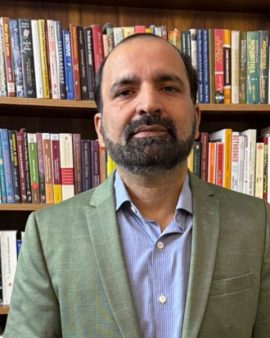

Mufaddal Saifuddin - selected in the list of  The Most Influential Indian Muslims  - 2025

Mufaddal Saifuddin

Mufaddal Saifuddin

Syedna Dr. Mufaddal Saifuddin (born in 1946) is the 53rd Da'i al-Mutlaq of the Dawoodi Bohra community, a prominent sect within the Shia Ismaili branch of Islam. Born on March 16, 1946, in Surat, Gujarat, India, he is the son of Syedna Mohammed Burhanuddin, the 52nd Da'i al-Mutlaq, and succeeded his father in 2014. His leadership is marked by a commitment to the spiritual and social welfare of his community.

Syedna Mufaddal Saifuddin received his early religious education in the traditional centers of learning associated with the Dawoodi Bohra community. He furthered his studies in the fields of Islamic theology and jurisprudence at Al-Jamea tus Saifiyah in Surat, an institution dedicated to the education of Bohra scholars. His academic background is complemented by a medical degree from the University of Bombay, reflecting his diverse expertise and commitment to holistic education.

Under Syedna Mufaddal Saifuddin’s leadership, the Dawoodi Bohra community has seen significant development in various areas, including education, healthcare, and social welfare. He has been instrumental in the establishment of numerous educational institutions, hospitals, and social service programs aimed at improving the quality of life for his followers. His efforts in promoting modern education while preserving traditional values have been particularly noteworthy. 

He is the Chancellor of Aligarh Muslim  University and Jamia Millia Islamia.

Syedna Mufaddal Saifuddin is also known for his emphasis on unity, community service, and ethical conduct. He has led numerous initiatives to address social issues and promote harmony within and beyond the Dawoodi Bohra community. His leadership style combines a deep spiritual insight with practical approaches to contemporary challenges, earning him widespread respect and admiration.

His tenure as Da'i al-Mutlaq has been characterized by a focus on strengthening the community’s spiritual and social fabric, reflecting his dedication to guiding his followers through both religious and worldly matters. Syedna Dr. Mufaddal Saifuddin continues to be a central figure in the Dawoodi Bohra community, leading with vision and compassion.


Mukhtar Alam - selected in the list of  The Most Influential Indian Muslims  - 2025

Mukhtar Alam

Prof. Brigadier Dr. Mukhtar Alam: A Life of Healing, Discipline, and Leadership

Prof. Brigadier Dr. Mukhtar Alam exemplifies a rare synthesis of medical excellence, military discipline, and compassionate leadership. As Chairman of the Department of Gynaecology at Ruby Hall Hospital, Pune, he has built a reputation not only as an outstanding clinician and academician, but also as a mentor and institution-builder whose work has touched thousands of lives across decades.

Trained in medicine at a time when resources were limited and expectations exacting, Dr. Mukhtar Alam’s journey has been shaped by rigor, resilience, and an unwavering commitment to service. His association with the Indian Armed Forces Medical Services instilled in him the values of discipline, precision, and duty—principles that would later define his approach to both medicine and leadership. Rising to the rank of Brigadier, he served with distinction, handling complex medical responsibilities under demanding conditions while upholding the highest standards of professional ethics.

Transitioning from military service to civilian healthcare, Dr. Alam carried forward the same sense of mission. At Ruby Hall Hospital, one of India’s most respected healthcare institutions, he has played a pivotal role in strengthening the Department of Gynaecology. Under his leadership, the department has grown into a centre known for clinical excellence, innovation, and patient-centric care. His work spans high-risk obstetrics, advanced gynaecological procedures, and the integration of modern technology with compassionate treatment.

What truly sets Prof. Brigadier Dr. Mukhtar Alam apart is his deep commitment to women’s health as a social responsibility, not merely a medical specialty. He believes that caring for women is foundational to building healthy families and communities. This belief has guided his emphasis on ethical practice, patient education, and dignity in care—particularly for women from disadvantaged backgrounds who often lack access to quality medical services.

As an academician, Dr. Alam has been a dedicated teacher and mentor to generations of medical students and young doctors. Known for his clarity, discipline, and approachability, he has inspired many to pursue excellence without losing empathy. His leadership style is firm yet nurturing—demanding high standards while encouraging continuous learning and moral responsibility. For him, producing competent doctors is as important as shaping humane professionals.

Beyond hospital walls, Prof. Brigadier Dr. Mukhtar Alam has been actively involved in professional bodies, medical conferences, and training programs, contributing to the advancement of gynaecological practice in India. His contributions reflect a lifelong belief that medicine must evolve through knowledge-sharing, research, and collaboration.

Despite his achievements and seniority, Dr. Alam is widely admired for his humility and simplicity. Colleagues describe him as calm under pressure, decisive in critical moments, and deeply respectful toward patients and staff alike. His leadership is not driven by authority alone, but by trust earned through consistency, competence, and character.

In an age where healthcare is increasingly challenged by commercialization and burnout, Prof. Brigadier Dr. Mukhtar Alam stands as a reminder of medicine’s noblest calling—to heal, to serve, and to lead with integrity. His life’s work reflects the enduring power of discipline guided by compassion, and expertise strengthened by purpose. For young doctors and healthcare leaders, his journey offers an enduring lesson: that true success in medicine lies not only in skill, but in service to humanity.


Munawar Faruqui - selected in the list of  The Most Influential Indian Muslims  - 2025

Munawar Faruqui

Munawar Faruqui: Stand-Up Comedian and Reality TV Star from Gujarat

Munawar Faruqui (born 28 January 1994) is an Indian comedian, rapper, and singer known for his sharp wit, social commentary, and reality television appearances. In 2022, he won the reality show Lock Upp (Season 1), and in 2023, he emerged as the winner of Bigg Boss 17, cementing his popularity across India.

Born in Junagadh, Gujarat, into a Gujarati Muslim family, Faruqui faced severe financial hardships during his childhood. His father fell into debt, prompting Faruqui to leave school after the fifth grade and take up odd jobs, including working at a gift shop and helping his mother and grandmother sell snacks. His mother tragically passed away when he was 14, after which he relocated to Mumbai, where he continued to work and support his family. His father died in 2020 after a period of paralysis.

Faruqui began his comedy career by uploading stand-up videos on YouTube, with early works including “Dawood, Yamraaj & Aurat” (April 2020) and “Ghost Story” (February 2021). He also ventured into music, releasing his debut song “Jawab” in collaboration with Spectra in August 2020. He later participated in the Entertainers Cricket League (ECL), further broadening his public profile.

Despite his success, Faruqui has been involved in controversies. In January 2021, he was arrested in Indore during a stand-up show over alleged remarks on religious figures, leading to 37 days of imprisonment before being granted bail by the Supreme Court. In March 2024, he was briefly detained during a police raid in Mumbai, later released on bail.

In his personal life, Faruqui married Jasmine in 2017, with whom he has a son; they divorced in 2022. He later dated social media influencer Nazila Sitaishi, and in May 2024, he married makeup artist Mehzabeen Coatwala.

Munawar Faruqui’s journey from a challenging childhood to becoming one of India’s most recognized comedians highlights his resilience, talent, and ability to connect with audiences across diverse platforms.


Najeeb Jung - selected in the list of  The Most Influential Indian Muslims  - 2025

Najeeb Jung

Najeeb Jung: Administrator, Scholar, and the Art of Public Balance

Najeeb Jung occupies a distinctive place in India’s public life—one shaped not by electoral politics but by administration, scholarship, and quiet diplomacy. Best known for serving as the Lieutenant Governor of Delhi from 2014 to 2016, Jung’s career reflects a rare blend of academic depth, institutional experience, and an ability to navigate complex political environments with restraint and intellect.

Born in 1956, Najeeb Jung was educated in some of the world’s finest institutions. He studied history at St. Stephen’s College, Delhi, before pursuing higher education at Oxford University, where he earned a doctorate in medieval Indian history. This grounding in historical scholarship has often been reflected in his public persona—measured, analytical, and conscious of institutional continuity rather than short-term political gain.

Before entering high-profile administrative roles, Jung built a distinguished career in international development. He worked for decades with organizations such as the Asian Development Bank and the United Nations Development Programme (UNDP), where he was involved in projects spanning governance reform, infrastructure development, and poverty alleviation across South and Southeast Asia. These years gave him a global outlook and a practical understanding of how policy decisions affect lives on the ground.

Najeeb Jung came into national prominence with his appointment as Delhi’s Lieutenant Governor at a time of intense political flux. His tenure coincided with a period of frequent institutional conflict between the elected Delhi government and the office of the Lieutenant Governor. Jung’s role placed him at the intersection of constitutional interpretation and political contestation, requiring a delicate balance between authority and restraint.

Supporters view Jung as a firm administrator who sought to uphold constitutional provisions and administrative norms in an unusually charged political atmosphere. Critics argue that his tenure exposed ambiguities in India’s federal structure, particularly concerning the governance of the National Capital Territory. Jung himself has often maintained that his actions were guided by constitutional duty rather than political alignment—a claim consistent with his self-image as an institutionalist rather than a partisan actor.

Beyond administration, Jung is widely regarded as a public intellectual. A prolific writer and commentator, he has authored several books and regularly contributes columns on history, politics, and contemporary governance. His writings reveal a mind attentive to nuance, often cautioning against simplistic narratives in an era increasingly defined by polarization and immediacy.

What sets Najeeb Jung apart is his ability to move between worlds—academia, international development, governance, and public commentary—without being wholly defined by any single role. Colleagues describe him as cerebral, soft-spoken, and intensely private, someone who prefers reasoned debate over rhetorical flourish.

Since stepping away from formal administrative office, Jung has continued to engage in public discourse through writing, lectures, and policy discussions. He remains a voice that emphasizes constitutionalism, institutional integrity, and the long view of history—qualities often in short supply in contemporary public life.

In an age dominated by spectacle and speed, Najeeb Jung represents a different tradition of leadership: one rooted in scholarship, process, and balance. Whether admired or contested, his career underscores the enduring relevance of intellectual rigor and institutional responsibility in navigating the complexities of modern governance.


Naseer Hussain - selected in the list of  The Most Influential Indian Muslims  - 2025

Naseer Hussain

Dr. Syed Naseer Hussain: Parliamentarian and Key Strategist of the Indian National Congress

Dr. Syed Naseer Hussain (born 10 June 1970) is a senior Indian politician from Karnataka and a prominent leader of the Indian National Congress (INC). He currently serves as a Member of Parliament in the Rajya Sabha, representing Karnataka. Within the Congress organisation, he holds several crucial responsibilities, including Member of the Congress Working Committee (CWC), General Secretary in charge of Jammu & Kashmir and Ladakh, National Spokesperson, and Whip of the Congress Parliamentary Party (CPP) in the Rajya Sabha.

Dr. Hussain played a key organisational role in the party’s highest office. He served as Officer on Special Duty to the President of the Indian National Congress, Shri Mallikarjun Kharge, from December 2023 to February 2025, and earlier acted as campaign manager for Kharge during the Congress presidential election. Known for his articulate interventions, he has emerged as a strong parliamentary voice on constitutional values, civil liberties, farmers’ rights, labour laws, and democratic accountability. His commitment to protest inside Parliament has led to multiple suspensions, reflecting his confrontational yet principled political style.

Born in Channagiri, Davanagere district, and raised in Ballari, Dr. Hussain comes from a socially conscious Kannadiga Muslim family. His father, Syed Hafeez, was a trade union leader and KSRTC traffic inspector, while his mother, Akhtar Unnisa, served as a government school headmistress. Their progressive outlook and emphasis on education deeply shaped his political and social worldview.

A lifelong student leader, Dr. Hussain’s political journey began early and flourished through successive leadership roles in educational institutions across Karnataka. He graduated in History, Economics, and Political Science from St. Philomena’s College, Mysore, earned a Master’s degree in Political Science from the University of Mysore, and later completed his M.Phil and Ph.D in International Relations from Jawaharlal Nehru University (JNU), New Delhi. At JNU, he rose through the ranks to become President of the JNU Students’ Union (1999–2000), cementing his reputation as a formidable organiser and debater.

With decades of political activism, academic grounding, and organisational experience, Dr. Syed Naseer Hussain stands out as one of the Congress party’s most articulate and strategically significant leaders from Karnataka.


Navaid Hamid - selected in the list of  The Most Influential Indian Muslims  - 2025

Navaid Hamid

Navaid Hamid: Advocacy, Institution-Building, and the Pursuit of Democratic Engagement

Navaid Hamid has long been a familiar name in India’s civil society and minority advocacy circles, known for his role as the former President of the All India Muslim Majlis-e-Mushawarat (AIMMM). A thoughtful organizer rather than a headline-driven figure, Hamid’s public life has been shaped by sustained engagement with issues of constitutional rights, social justice, and democratic participation.

AIMMM, founded in the 1960s as an umbrella platform for Muslim organizations and scholars, has historically sought to articulate community concerns within the framework of India’s Constitution. Navaid Hamid’s association with the organization evolved over years of involvement in dialogue, coordination, and public advocacy. When he assumed the presidency, he inherited both a legacy of principled engagement and the challenge of navigating an increasingly polarized political climate.

As president, Hamid emphasized institutional relevance over reactive politics. He sought to reposition AIMMM as a forum for consultation, research-based advocacy, and legal-constitutional engagement rather than street-level mobilization alone. His leadership style reflected a belief that minority voices are most effective when they are organized, informed, and articulated through democratic mechanisms.

One of the defining features of Navaid Hamid’s tenure was his consistent emphasis on constitutionalism. Whether addressing questions of civil liberties, discrimination, or communal harmony, he repeatedly framed arguments in the language of fundamental rights, rule of law, and democratic accountability. This approach helped AIMMM maintain credibility among civil society actors, legal professionals, and rights-based organizations beyond the Muslim community.

Hamid was also attentive to the internal diversity of Muslim society in India. Under his leadership, AIMMM attempted to broaden conversations to include issues of education, socio-economic marginalization, and representation, recognizing that religious identity intersects with class, region, and gender. While progress was incremental, his efforts reflected a desire to move beyond symbolic politics toward more substantive engagement.

Publicly, Navaid Hamid is known for his measured tone. He avoids inflammatory rhetoric, preferring deliberation and dialogue—even with ideological opponents. This restraint has drawn both appreciation and criticism. Supporters see it as strategic maturity in a volatile environment; critics argue that such an approach risks being overshadowed by more aggressive narratives. Hamid, however, has consistently maintained that long-term democratic gains are built through persistence rather than provocation.

Beyond AIMMM, Hamid has been active in broader civil society discussions, engaging with journalists, academics, and rights groups on questions of pluralism and social cohesion. His interventions tend to be issue-driven rather than personality-centered, reinforcing his belief that movements must outlast individuals.

Since stepping down as president, Navaid Hamid has continued to be regarded as an experienced voice in minority affairs—someone who understands both the limitations and possibilities of institutional advocacy in India’s democratic framework. His career underscores the often-unseen labor of coordination, negotiation, and principled dissent that sustains civil society spaces.

In an era marked by sharp polarization and shrinking room for dialogue, Navaid Hamid’s public life reflects a quieter tradition of leadership—one grounded in institutions, constitutional faith, and the conviction that democratic engagement, though slow and imperfect, remains the most enduring path toward justice and inclusion.


Nurul Islam - selected in the list of  The Most Influential Indian Muslims  - 2025

Nurul Islam

M. Nurul Islam: The Visionary Who Built Al Ameen Mission and Transformed Muslim Education in Bengal

M Nurul Islam is the visionary founder of Al Ameen Mission, a pioneering educational movement dedicated to uplifting underprivileged Muslim students in West Bengal and other parts of India. Born in 1953 in the small village of Khalatpur in Howrah district, West Bengal, Nurul Islam came from a modest background, but his passion for education and community service shaped his life's mission. 

M. Nurul Islam, the Secretary General of Al-Ameen Mission, established Khalatpur Junior High Madrasa in 1976 while still a 10th-standard student. In May 1984, he founded the Institute of Islamic Culture and, in 1986, set up a hostel within the madrasa building. This initiative was funded through a unique community effort—collecting a fistful of rice from every household in his village, Khalatpur. In January 1987, the institution was renamed Al-Ameen Mission.

Beyond education, Al-Ameen Mission is actively involved in charitable work, particularly for the Muslim community. It has provided loans to unemployed Muslims and runs scholarship programs to support underprivileged students from various communities.

Al-Ameen Mission is a residential educational institution located near Khalatpur, Udaynarayanpur, Howrah, West Bengal, India. Established in 1986, it has expanded to 56 branches across 15 districts in the state, currently housing around 12,000 residential students. Over the years, approximately 16,000 students have graduated from the institution.

The mission follows the curriculum of WBBSE, WBHSE, and CBSE boards. In recognition of its contributions to education, Al-Ameen Mission was honored with the prestigious Banga Bhushan Award in 2015.

Under Nurul Islam's leadership, Al Ameen Mission became known for its emphasis on holistic education, blending modern academics with ethical and moral values rooted in Islam. The Mission has been particularly successful in preparing students for competitive exams like NEET and JEE, enabling many of its alumni to secure admission to top medical, engineering, and other professional institutions in India. 

Nurul Islam's work has been widely lauded for transforming the educational landscape for Muslim students in Bengal. His mission has not only raised the standard of education but also instilled a sense of hope and empowerment among Muslim youth. His dedication to social upliftment through education has made him a respected figure, not only in the Muslim community but across India. Nurul Islam continues to inspire future generations with his unwavering commitment to education and community service.


Omar Abdullah - selected in the list of  The Most Influential Indian Muslims  - 2025

Omar Abdullah

Omar Abdullah: Politician

Omar Abdullah, born on March 10, 1970, is an influential Indian politician currently serving as the chief minister of the union territory of Jammu and Kashmir. He was previously the chief minister of the state from 2009 to 2014 and has been the vice president of the Jammu and Kashmir National Conference since 2009. Abdullah began his political career in 1998 when he became the youngest member of the Lok Sabha, representing Srinagar until 2009 and also served as the Union Minister of State for External Affairs under Atal Bihari Vajpayee's NDA government.

The son of former chief minister Farooq Abdullah and grandson of Sheikh Abdullah, Omar continued a family legacy in politics. He notably became the 11th chief minister of Jammu and Kashmir on January 5, 2009, leading a coalition government. However, he faced political challenges, including the defeat of his party in the 2002 elections, though they returned to power in 2008. His government aimed to address issues stemming from insurgency and violence in the region.

In 2019, Abdullah was detained in connection with the revocation of Article 370, which stripped Jammu and Kashmir of its semi-autonomous status, a move he vehemently opposed. Abdullah was released from detention in March 2020. Following his return to politics, he participated in the 2024 elections, where his party, in alliance with the INDIA bloc, secured enough seats for him to be sworn in again as chief minister on October 16, 2024.

Personal life details include his early education in Kashmir and England. Born to a nurse and a politician, Abdullah briefly worked in the private sector before entering politics. He has since taken active roles in various committees and retained significant influence within his party and the region’s political landscape.


P Mohammad Ali - selected in the list of  The Most Influential Indian Muslims  - 2025

P Mohammad Ali

P. Mohamed Ali: A Visionary Businessman and Philanthropist

Dr. P. Mohamed Ali, an accomplished and highly respected businessman from Thalikulam, a village in Thrissur district, Kerala, is renowned for his unwavering commitment to education and philanthropy. His multifaceted contributions span infrastructure development in Oman and India, making him a prominent figure among the Indian expatriate community in the Gulf region. 

A civil engineer by profession, Dr. Mohamed Ali arrived in Oman in 1972 and established Galfar Engineering, which has grown into Oman’s largest private-sector employer. Today, the Galfar Group operates across Abu Dhabi, Qatar, Kuwait, and India, employing over 65,000 people from diverse nationalities. Its ventures encompass civil and industrial construction, oil and gas, roads and bridges, manufacturing, heavy equipment, electrical and instrumentation, water and wastewater management, education, and hospitality. 

Contributions to Education

Dr. Mohamed Ali's initiatives in Oman’s education sector are groundbreaking. He established an Indian School, serving over 3,500 students, and the National University of Science & Technology (NUST), which commenced operations in 2018 by merging three prominent institutions:

Caledonian College of Engineering – A leading engineering institution in the region.

Oman Medical College – Training future medical professionals.

College of Pharmacy – Focused on pharmaceutical education.

Dr. Ali promoted two operator institutes providing on-the-job training for Omani nationals. Collectively, these institutions serve over 10,000 students, exemplifying his dedication to education.

Business Ventures in India

Dr. Mohamed Ali’s business interests in India have flourished in the infrastructure and hospitality sectors. His enterprises include Mfar Constructions in Bengaluru and Mfar Hotels in Kochi, which manage Le Méridien and the International Convention Centre in Kochi, as well as the Westin Hotel in Chennai. His hospitality ventures extend to Azaiba Hotels LLC (Hormuz Grand) in Oman, and two hotels under construction in the Maldives and Sri Lanka.

He is also a founding director of Cochin International Airport Limited (CIAL) and Infrastructure Kerala Limited (INKEL), both of which were promoted by the Government of Kerala.

Philanthropy and Community Development

Dr. Mohamed Ali's dedication to uplifting his native village is exemplified by the Talikulam Vikas Trust, established in 2005 to provide education, employment, housing, and healthcare to his community. This ambitious initiative was successfully realized in 2010.

The P.M. Foundation, founded by him, supports education among backward communities, while the CSM Central School offers CBSE curriculum education. Dr. Ali also chairs the Social Advancement Foundation of India (SAFI), an institution providing educational opportunities to socially and economically disadvantaged groups. This institution was inaugurated by then Vice President of India, Hamid Ansari, in 2011.

Leadership Roles and Recognitions

Dr. Mohamed Ali has held numerous prestigious positions, including:

Member of the Governing Body of the Council for Promotion of Overseas Employment (Government of India).

Founder Chairman of the Oman Society of Contractors (OSC) and the Oman Petroleum Alliance (OPAL).

Vice Chairman of the Omanization Joint Committee.

His exceptional contributions have earned him global recognition and several prestigious awards, including:

Oman Civil Order Award (2002).

Pravasi Bharatiya Samman Award (2004).

Honorary Doctor of Science from Glasgow Caledonian University, UK.

Lifetime Achievement Award from the Times Group (2010).

IATO Hall of Fame Award for contributions to hospitality and the Cochin International Airport.

In 2013, Dr. Mohamed Ali was honored by the President of India at the Pravasi Bharatiya Divas for his exemplary service to the nation.

Legacy of Vision and Dedication

Dr. P. Mohamed Ali continues to inspire with his visionary leadership, unwavering dedication to education, and impactful contributions to infrastructure and community development. His life’s work stands as a testament to the transformative power of compassion, innovation, and perseverance.


Pirzada Md Abbas Siddiqui - selected in the list of  The Most Influential Indian Muslims  - 2025

Pirzada Md Abbas Siddiqui

Pirzada Md. Abbas Siddiqui: Cleric-Turned Politician from Furfura Sharif

Pirzada Md. Abbas Siddiqui (born 1987) is an Indian Islamic scholar, social activist, and politician from West Bengal, best known as the founder of the Indian Secular Front (ISF), a political party launched in 2021. He is a cleric of Furfura Sharif, a prominent Islamic spiritual centre in Hooghly district, and belongs to the influential Siddiqui family, which has historically been the custodian of the Furfura Sharif shrine.

Abbas Siddiqui was born to Pirzada Ali Akbar Siddiqui and is the great-grandson of Mohammad Abu Bakr Siddique, the founder of the Silsila-e-Furfura (Furfura Sharif order). The shrine has long played a significant role in shaping the religious and social life of Muslims in Bengal. He is also the nephew of Toha Siddiqui, another well-known cleric associated with the institution. Abbas Siddiqui received his religious education in Islamic theology at Furfura Fatehia Senior Madrasah, grounding him firmly in traditional scholarship.

Entering public life as a social and religious figure, Siddiqui gradually emerged as a vocal advocate for Muslim representation and social justice. On 21 January 2021, he formally launched the Indian Secular Front, positioning it as a platform for marginalized communities, particularly Muslims, Dalits, and backward classes. Initially, the party explored an alliance with AIMIM, led by Asaduddin Owaisi, but the arrangement did not materialize. Subsequently, ISF joined hands with the Left Front and the Indian National Congress to form the Sanjukta Morcha for the 2021 West Bengal Assembly elections. Due to technical constraints, ISF candidates contested on a borrowed election symbol from the Rashtriya Secular Majlis Party.

Siddiqui has also courted controversy over certain remarks made in 2021 regarding religious offences, which drew widespread criticism across political and civil society circles. Despite this, he remains a prominent and polarising figure in West Bengal politics, reflecting the intersection of faith, identity, and democratic participation.


Qasim Rasool Ilyas - selected in the list of  The Most Influential Indian Muslims  - 2025

Qasim Rasool Ilyas

Syed Qasim Rasool Ilyas: Activist, Community leader

Dr.Syed Qasim Rasool Ilyas is the official spokesperson of the All India Muslim Personal Law Board (AIMPLB), a leading umbrella organization advocating for the protection and promotion of Muslim personal laws and religious freedoms in India. Known for his articulate communication skills and deep understanding of socio-political issues, he has emerged as a prominent voice for the Muslim community in the country.

Born in 1955 in a family with a strong intellectual and socio-religious background, Syed Qasim Rasool Ilyas pursued his education in science and journalism. He is widely regarded for his nuanced perspectives on contemporary challenges facing Indian Muslims. Over the years, he has been an active participant in various initiatives to safeguard the constitutional rights of minorities, emphasizing the importance of unity, dialogue, and democratic engagement.

As the spokesperson of AIMPLB, Syed Qasim Rasool Ilyas has played a critical role in presenting the Board’s stance on pivotal issues such as the triple talaq legislation, the Uniform Civil Code, and masjid-mandir disputes. His ability to articulate the Muslim community’s concerns and aspirations on national platforms has earned him respect across ideological spectrums.

Beyond his role in AIMPLB, he has been actively involved in various socio-political and educational initiatives. He is a founding member of the Welfare Party of India and has consistently advocated for justice, equality, and communal harmony.

Syed Qasim Rasool Ilyas combines his deep-rooted Islamic scholarship with a pragmatic approach to addressing modern challenges. His balanced and well-reasoned views make him a key figure in fostering understanding between communities while advocating for the rights and dignity of the Muslim populace in India.


Qumruzzama Azmi - selected in the list of  The Most Influential Indian Muslims  - 2025

Qumruzzama Azmi

Qumruzzama Azmi: Islamic Scholar

Qumruzzama Azmi (born 1946) widely respected as Maulana Azmi, is a distinguished Islamic scholar and one of the most influential voices in contemporary Islamic thought and leadership. Born in Azamgarh, Uttar Pradesh, India, in 1946, he received his early Islamic education at the esteemed Al Jamiatul Ashrafia, Mubarakpur, where he excelled in Islamic jurisprudence, theology, and Arabic literature.

Maulana Azmi’s profound understanding of Islamic teachings, coupled with his eloquence and insight, quickly earned him a reputation as a dynamic leader. His efforts to bridge gaps between communities and promote Islamic values in modern contexts have made him a sought-after scholar worldwide.

Azmi has dedicated much of his life to serving the Muslim community globally. He is closely associated with the World Islamic Mission (WIM), a prominent organization committed to promoting unity among Muslims and addressing the challenges they face. As the General Secretary of WIM, he has played a pivotal role in establishing mosques, Islamic centers, and educational institutions in various countries, particularly in Europe and North America.

An ardent advocate of peaceful coexistence, Maulana Azmi emphasizes the importance of interfaith dialogue and communal harmony. His lectures and writings have inspired countless Muslims to uphold the principles of justice, compassion, and ethical conduct.

Maulana Azmi is also deeply committed to the socio-economic upliftment of marginalized communities. He has initiated programs for education, healthcare, and poverty alleviation, ensuring the integration of Islamic values with humanitarian service.

Despite his international commitments, he remains rooted in his scholarship, dedicating time to writing, teaching, and guiding students of Islamic sciences. His intellectual contributions and spiritual leadership continue to influence generations of Muslims worldwide.

Qumruzzama Azmi’s legacy is one of knowledge, service, and unwavering dedication to the cause of Islam and humanity.


Rakibul Hussain - selected in the list of  The Most Influential Indian Muslims  - 2025

Rakibul Hussain

Rakibul Hussain: Politician

Rakibul Hussain (born in 1964) is a prominent Indian politician and a seasoned leader with a dynamic political career spanning decades. Currently serving as the Member of Parliament in the Lok Sabha from Dhubri, Assam, his victory in the 2024 Lok Sabha elections, defeating AIUDF chief Maulana Badruddin Ajmal by a staggering margin of 10,12,476 votes, stands as a testament to his widespread appeal and political acumen.

A postgraduate in Political Science from Aligarh Muslim University, Hussain's academic foundation has greatly shaped his political perspective. He began his political journey with the Indian National Congress, representing the Samaguri constituency in the Assam Legislative Assembly since 2001. His consistent electoral success highlights his deep connection with his constituents.

Hussain held several significant ministerial portfolios in the Tarun Gogoi-led government in Assam, showcasing his versatility. Between 2002 and 2016, he served as Minister of State and later as Cabinet Minister for Home, Political Affairs, Forest and Environment, Panchayat and Rural Development, Tourism, Information and Public Relations, and other key departments. His contributions during this period were pivotal in driving development initiatives, enhancing environmental policies, and improving rural governance.

From 2021 to 2024, Hussain served as the Deputy Leader of the Opposition in the Assam Legislative Assembly, where he played a critical role in articulating the opposition's stand on crucial state issues.

Beyond politics, Hussain has been actively involved in sports administration. He served as General Secretary of the Assam Olympic Association and became the President of the All India Carrom Federation in 2015, promoting sports development in the region.

Rakibul Hussain's political journey is marked by dedication, effective governance, and a commitment to public service, making him a key figure in Assam's political landscape.


Rashid Shaz - selected in the list of  The Most Influential Indian Muslims  - 2025

Rashid Shaz

Rashid Shaz: Islamic Scholar, Intellectual and Academic

Rashid Shaz (born 1963) is a distinguished Indian Islamic scholar, author, and professor at Aligarh Muslim University (AMU), known for his profound contributions to Islamic philosophy, interfaith dialogue, and contemporary Muslim thought. As an ISESCO Ambassador for Dialogue among Civilizations, he has dedicated his career to fostering mutual understanding and addressing the challenges faced by the global Muslim community.

Shaaz’s literary works reflect his innovative approach to Islamic scholarship, focusing on the revival of Muslim intellectual traditions and the intersection of faith and modernity. His acclaimed books, including Idrak Zawal-e-Ummat, Lastam Pokh, Kitabul Urooj, and Manifesto of United Islam, delve into the challenges and prospects of Islamic civilization in a rapidly changing world. His pivotal 2008 document, Calling for a New Dialogue between Islam and Christianity, released in Monaco, underscores his commitment to interfaith harmony.

In 1992, during the Oslo Peace Accord discussions, Shaaz embarked on a peace mission to London and Washington, advocating for Muslim sentiments on Jerusalem. Two years later, he launched the Milli Times International, a weekly newspaper from New Delhi, which ran until 2001, providing a platform for critical issues affecting Muslims globally.

Shaaz’s activism extends to bridging intellectual gaps. His work on shibh-Ahle-Kitab builds on the legacies of Al-Bairuni and Shahrastani, motivating enlightened Abrahamic intellectuals through platforms like FutureIslam.com.

Beyond his global engagements, Professor Shaz has remained a vocal critic of social injustices, including his condemnation of Aligarh’s silence on lynching incidents in India. He advocates for reform within the Muslim world, urging introspection and the revival of the progressive ethos of early Islamic civilization.

A mentor, thought leader, and reformist, Rashid Shaz’s legacy lies in his unwavering commitment to knowledge, justice, and the harmonious coexistence of humanity.


Saad Kandhlawi - selected in the list of  The Most Influential Indian Muslims  - 2025

Saad Kandhlawi

Muhammad Saad Kandhlawi: Religious Leader/Spiritual Leader

Muhammad Saad Kandhlawi ((born 1965) is an Indian Muslim preacher, leading the Nizamuddin Markaz faction of the Tablighi Jamaat, a global Islamic revival movement. He is the great-grandson of Muhammad Ilyas Kandhlawi, the founder of the Tablighi Jamaat, and the grandson of former leader Muhammad Yusuf Kandhlawi. Saad Kandhlawi was born in Kandhla, Shamli District, Uttar Pradesh, and completed his Islamic studies (Dars-e-Nizami) at Madrasa Kashiful Uloom, Nizamuddin Markaz, in Delhi in 1987.

After the death of Tablighi Jamaat’s former chief, Inamul Hasan Kandhlawi, a shura (council) was formed to elect a new leader. Though the council failed to appoint a single leader, Muhammad Saad Kandhlawi eventually emerged as the head of the movement, particularly after the passing of the other shura members. He was officially recognized as the leader of the Tablighi Jamaat during the All India Jod and the Tongi Ijtema in 2017.

Despite his leadership, Saad Kandhlawi's tenure has not been without controversy. Some of his statements have prompted fatwas from Deobandi scholars. South African scholar Mufti Ebrahim Desai issued a fatwa against him, as did India’s Darul Uloom Deoband, raising concerns about his leadership. Zaid Mazahiri of Nadwatul Ulama also penned treatises on the internal disputes within the Tablighi Jamaat. However, British scholar Yusuf Motala defended Kandhlawi.

During the COVID-19 pandemic, Saad faced further scrutiny when a religious event organized at the Nizamuddin Markaz resulted in a COVID-19 outbreak. This led to an FIR against him. In 2021, the Delhi High Court ordered the police to open his house following its closure.

Saad was also criticized when media reports exposed his ownership of a luxurious farmhouse, contrasting with the simple lifestyle he promotes to his followers. Despite these revelations, his family defended him, stating he rarely visited the property.


Sabahat S Azim - selected in the list of  The Most Influential Indian Muslims  - 2025

Sabahat S Azim

Dr. Sabahat S. Azim: Redefining Healthcare Leadership with Purpose and Compassion

Dr. Sabahat S. Azim stands among India’s most compelling healthcare leaders—an entrepreneur whose vision goes beyond building hospitals to transforming how healthcare reaches the underserved. As the Founder and Chairman of Glocal Healthcare Systems, he has pioneered a model that blends clinical excellence with accessibility, proving that world-class healthcare need not be confined to metropolitan cities.

Trained as a medical professional, Dr. Azim’s leadership journey has been shaped by first-hand exposure to the inequities embedded in India’s healthcare landscape. Early in his career, he recognized a stark contradiction: while medical technology and expertise were advancing rapidly, large sections of the population—particularly in Tier II and Tier III towns—remained excluded from quality care. Rather than accept this gap as inevitable, he chose to challenge it.

This conviction led to the creation of Glocal Healthcare Systems, a healthcare network designed around a simple but powerful idea: deliver affordable, high-quality, technology-enabled healthcare closer to where people live. Under Dr. Azim’s leadership, Glocal hospitals have focused on regions often overlooked by large corporate healthcare chains, bringing modern diagnostics, skilled doctors, and standardized care protocols to semi-urban and rural India.

What distinguishes Dr. Azim as a leader is his ability to combine medical insight with entrepreneurial discipline. He approaches healthcare not merely as a service, but as a system that must be efficient, scalable, and ethical. His leadership philosophy emphasizes sustainability over spectacle—building institutions that can endure, adapt, and serve communities over the long term. For him, success is not measured by the size of balance sheets alone, but by the number of lives reached with dignity and care.

Dr. Azim is also known for his belief in technology as an equalizer. Through digitization, telemedicine, and standardized clinical pathways, Glocal Healthcare has sought to bridge the urban-rural divide in medical expertise. This forward-looking approach has helped optimize resources while ensuring that patients in smaller towns receive care comparable to that available in major cities.

Equally central to his leadership is a strong commitment to human capital. Dr. Azim believes that hospitals are only as strong as the people who run them. He has consistently invested in training doctors, nurses, and administrators, fostering a culture of professionalism, empathy, and accountability. Those who work with him describe a leader who sets high standards while remaining deeply accessible—someone who listens, mentors, and leads by example.

Beyond business strategy, Dr. Azim’s work reflects a broader moral vision. He has been vocal about the need for healthcare systems that prioritize patients over profits and access over exclusivity. His model challenges the notion that affordability requires compromise in quality, demonstrating instead that thoughtful leadership can align both.

In an era when healthcare is often viewed through the lens of commercialization, Dr. Sabahat S. Azim represents a different archetype of leadership—one rooted in purpose, inclusion, and long-term impact. Through Glocal Healthcare Systems, he is not just building hospitals; he is building trust, resilience, and hope in communities that need it most. His journey stands as a reminder that the most powerful leaders are those who dare to see healthcare not as a privilege, but as a fundamental right.


Sadatullah Husaini - selected in the list of  The Most Influential Indian Muslims  - 2025

Sadatullah Husaini

Syed Sadatullah Husaini: Islamic Scholar/ Community Leader

Syed Sadatullah Husaini (born in 1973) is a prominent Indian leader serving as the President (Amir) of Jamaat-e-Islami Hind (JIH) and Vice President of the All India Muslim Personal Law Board (AIMPLB). Formerly, he led the Students' Islamic Organisation of India (SIO) as National President for two consecutive terms (1999–2003) and directed JIH’s Study and Research Department. He regularly contributes columns to major publications, addressing socio-political and contemporary issues.

Husaini graduated in electronics and telecommunication engineering from Nanded, Maharashtra. As a student, he was deeply involved with SIO and later became the youngest member of JIH’s Central Advisory Council (Markazi Majlis-e-Shura). Over the years, he has participated in various social and academic organizations across India.

Husaini critiques modern globalization for perpetuating economic and cultural inequality, advocating instead for Islam’s emphasis on universal brotherhood. On feminism, he highlights shortcomings in both traditional Muslim societies and the West, urging a balanced approach that preserves women's dignity and rights as prescribed by Islam.

In Indian Muslim politics, Husaini calls for constructive dialogue with the majority community, promoting nation-building while rejecting divisive narratives. His critique of postmodernism centers on its contradictions, asserting that Islam provides a balanced framework of absolute divine truths and relative human understanding.

Husaini has also voiced concerns over the Right to Education Act (RTE), arguing that it undermines the constitutional rights of minorities, particularly affecting their ability to manage religious educational institutions.

Through his intellectual contributions and leadership, Husaini plays a vital role in fostering social harmony and addressing contemporary challenges while upholding Islamic values.


Sadiq Ali Shihab Thangal - selected in the list of  The Most Influential Indian Muslims  - 2025

Sadiq Ali Shihab Thangal

Panakkad Sayyid Sadiq Ali Shihab Thangal: Religious Leader and IUML President in Kerala

Panakkad Sayyid Sadiq Ali Shihab Thangal (born 25 May 1964), born Habib Sadiq Ali Shihab bin Ali Al-Hussaini Ba Alavi, is a prominent Sayyid (Thangal) community leader, religious scholar, and politician from Kerala, southern India. He currently serves as the Kerala State President of the Indian Union Muslim League (IUML) and is the Chancellor of Darul Huda Islamic University, one of the most influential Islamic higher education institutions in the state.

Sadiq Ali Thangal hails from the revered Panakkad Pukkoya family of South Malabar, a lineage that has played a central role in the religious and socio-political life of Kerala’s Muslim community for generations. He is the son of P. M. S. A. Pukkoya Thangal and the younger brother of Mohammedali Thangal, Umerali Thangal, and the late Hyderali Thangal, all of whom have been associated with religious and community leadership.

Deeply rooted in Sunni-Shafi‘i tradition, Sadiq Ali Thangal has long been associated with Samastha Kerala Jam‘iyyat al-‘Ulama (E. K. faction) and its student and youth wings, including the Samastha Kerala Sunni Students Federation (SKSSF) and the Sunni Yuvajana Sangam (SYS). He has also been closely involved with the Muslim Youth League, the youth wing of the IUML, helping nurture a new generation of community leaders.

In the political sphere, he served as Malappuram District President of the IUML for over a decade, building strong grassroots networks. During periods of illness faced by his brother Hyderali Thangal, he effectively led the party at the state level. In 2022, he was formally chosen as Hyderali Thangal’s successor as Kerala State President of the IUML and also assumed the role of Chairman of the National Political Advisory Committee of the party.

In addition to his political responsibilities, Sadiq Ali Thangal holds several key institutional roles, including Vice-President of Mounathul Islam Sabha, Ponnani, President of Noorul Huda Islamic College, Chairman of the Islamic Centre, Kozhikode, and Executive Committee Member of the Samastha Matha Vidyabhyasa Board, underscoring his enduring influence across religious, educational, and political domains.


Safeena Husain - selected in the list of  The Most Influential Indian Muslims  - 2025

Safeena Husain

Safeena Husain: Championing Girls’ Education in Rural India

Safeena Husain is a globally respected social entrepreneur and education reformer, best known as the founder of Educate Girls, a non-governmental organization that has transformed the landscape of girls’ education in some of India’s most marginalized rural communities.

In 2025, her pioneering work received international recognition when Educate Girls was conferred the prestigious Ramon Magsaysay Award, making it the first Indian organization to receive this honour for its impact in the field of education and gender equity.

Safeena Husain founded Educate Girls in 2007 with a clear and urgent mission: to end gender disparity in education by ensuring that every girl has access to quality schooling. At a time when millions of girls in rural India were excluded from classrooms due to poverty, early marriage, social norms, and lack of infrastructure, she envisioned a community-led movement that would address these barriers at their roots.

Under her leadership, Educate Girls adopted a unique model that combines grassroots mobilisation with rigorous data-driven strategies. The organization works closely with village communities, local leaders, parents, and government schools to identify out-of-school girls, re-enrol them, and support their continued education. Central to this approach is the training of local volunteers—often women—who become champions of change within their own villages.

Educate Girls has achieved remarkable scale and impact. The organisation has successfully enrolled millions of out-of-school girls into formal education and significantly improved learning outcomes in foundational literacy and numeracy across thousands of government schools. Its innovative use of metrics, outcome-based financing, and accountability has made it a global case study in evidence-based social impact.

The Ramon Magsaysay Award in 2025 recognised Safeena Husain’s visionary leadership and the organisation’s proven ability to deliver measurable change at scale. Beyond awards, her work stands as a powerful testament to how community participation, gender equity, and education can reshape futures.

Safeena Husain continues to inspire policymakers, educators, and social entrepreneurs, firmly establishing girls’ education as not only a moral imperative but a cornerstone of India’s social and economic progress.


Salman Azhari - selected in the list of  The Most Influential Indian Muslims  - 2025

Salman Azhari

Salman Azhari: Islamic Scholar and Orator

Salman Azhari, a distinguished Islamic scholar and orator, is renowned for his profound knowledge, eloquent speeches, and dedication to the propagation of Islamic teachings. Born into a family with deep-rooted Islamic scholarship, he hails from the lineage of respected ulema and has carried forward this legacy with remarkable dedication.

Mufti Salman completed his early Islamic education in India before advancing his studies at the prestigious Al-Azhar University in Cairo, Egypt, where he earned his degree in Islamic Jurisprudence and Theology. Al-Azhar, a beacon of Islamic learning for over a millennium, honed his understanding of traditional Islamic sciences, equipping him to address contemporary issues with a balanced and informed perspective.

A multilingual scholar fluent in Arabic, Urdu, and English, Mufti Salman Azhari has reached diverse audiences worldwide. His sermons and lectures often focus on fostering unity, interfaith harmony, and adherence to the core values of Islam, such as compassion, justice, and service to humanity. He is particularly known for his ability to explain complex theological concepts in a relatable and accessible manner, making him a beloved figure among both scholars and laypersons.

Mufti Salman has traveled extensively, delivering lectures and attending conferences across countries, including the United States, the United Kingdom, and the Middle East. His contributions extend beyond the pulpit; he actively engages in social welfare initiatives, emphasizing education and empowerment as tools for uplifting communities.

A staunch advocate for peace and coexistence, Mufti Salman Azhari continues to inspire countless individuals with his scholarship, humility, and unwavering commitment to spreading the message of Islam as a religion of peace and universal brotherhood.


Salman Khurshid Alam Khan - selected in the list of  The Most Influential Indian Muslims  - 2025

Salman Khurshid Alam Khan

Salman Khurshid Alam Khan (politician)

Salman Khurshid Alam Khan (born 1 January 1953) is an Indian politician, senior advocate, author, and law teacher. A member of the Indian National Congress, he served as the Cabinet Minister for External Affairs. Khurshid has represented Farrukhabad in the Lok Sabha, first from 1991–1996 and later in 2009. His political career began in 1981 as an Officer on Special Duty in the Prime Minister’s Office under Indira Gandhi. He later held roles as Deputy Minister of Commerce and Minister of State for External Affairs.

Born to Khurshed Alam Khan, a former Union Minister, and the grandson of Zakir Husain, India’s third President, Khurshid has Pathan ancestry linked to the Afridi and Kheshgi tribes. He was educated at St. Xavier’s High School, Delhi Public School, and St. Stephen’s College, Delhi. He earned his M.A. and Bachelor of Civil Law from St. Edmund Hall, Oxford, and taught law at Trinity College, Oxford.

Khurshid has held significant political roles, including President of the Uttar Pradesh Congress Committee and Delhi Public School Society. He was instrumental in managing portfolios for Minority Affairs, Corporate Affairs, and Law and Justice during his tenure as a Union Minister. Despite losing elections in 2014 and 2019, his political influence remains notable.

As a writer, Khurshid has authored the play Sons of Babur and books like Sunrise over Ayodhya, which sparked controversy for its critique of Hindutva, leading to his house being vandalized. He has also edited The Contemporary Conservative: Selected Writings of Dhiren Bhagat.

Khurshid and his wife Louise run the Zakir Hussain Memorial Trust, which faced allegations of financial mismanagement in 2012. Although they denied the charges, the controversy, dubbed "Operation Dhritrashtra," led to extensive investigations and public scrutiny. Despite challenges, Khurshid continues to be a prominent voice in Indian politics and intellectual circles.


Sameer Siddiqui - selected in the list of  The Most Influential Indian Muslims  - 2025

Sameer Siddiqui

Sameer Siddiqui: Inspiring Minds, Empowering Lives

Sameer Siddiqui is a dynamic motivational speaker, mentor, and youth influencer whose work is rooted in purpose, resilience, and self-belief. Known for his powerful storytelling and relatable style, Sameer has emerged as a compelling voice for personal growth, especially among students and young professionals navigating uncertainty, self-doubt, and social pressures.

Coming from a background shaped by real-life struggles rather than privilege, Sameer Siddiqui’s journey itself serves as a source of inspiration. He firmly believes that true success is not defined by external validation or material wealth, but by clarity of purpose, discipline, and consistency. His sessions focus on helping individuals unlock their inner potential and transform adversity into opportunity.

Sameer’s motivational talks blend life lessons, practical psychology, and spiritual wisdom, making his message both grounded and impactful. Whether addressing large audiences at educational institutions or engaging in intimate mentoring sessions, he connects deeply with people by speaking in a language they understand—honest, simple, and solution-oriented. His emphasis on mindset, goal-setting, emotional intelligence, and ethical living has earned him widespread appreciation.

A strong advocate of self-education and lifelong learning, Sameer Siddiqui encourages youth to move beyond fear and comfort zones. He frequently highlights the importance of self-discipline, time management, and personal accountability in achieving long-term success. His message resonates strongly in today’s fast-paced digital age, where distractions are many but direction is often lacking.

Beyond the stage, Sameer is actively involved in mentoring aspiring speakers and young changemakers, guiding them to use their voice responsibly and purposefully. His growing presence on social media platforms has further amplified his reach, allowing his motivational content to inspire thousands across regions and backgrounds.

Driven by authenticity and compassion, Sameer Siddiqui continues to empower individuals to believe in themselves, rise above limitations, and live lives of meaning and impact. His journey stands as a reminder that with determination, clarity, and faith, transformation is possible for anyone.


Seema Mustafa - selected in the list of  The Most Influential Indian Muslims  - 2025

Seema Mustafa

Seema Mustafa: Chronicler of Politics and Independent Voices in Indian Journalism

Seema Mustafa, born on 20 April 1955, has carved a unique place in Indian journalism as a fearless political commentator, editor, and media entrepreneur. Currently the Editor-in-Chief of The Citizen, the independent digital newspaper she founded in 2014, Mustafa also serves as the elected president of the Editors Guild of India, a role she assumed on 16 October 2020. Her career spans decades of incisive reporting, editorial leadership, and advocacy for press freedom, reflecting her enduring commitment to independent journalism in India.

Mustafa was born in Delhi into a family with deep roots in public service and political engagement. Her father, Syed Mustafa, was an officer in the Indian Army, while her mother hailed from the Kidwai family of Uttar Pradesh—a lineage closely associated with India’s freedom struggle. Seema’s maternal great-uncle, Rafi Ahmed Kidwai, was a noted freedom fighter and Congress politician, and her maternal grandmother, Anis Kidwai, later became a Rajya Sabha MP. Growing up in this milieu of civic responsibility, Mustafa absorbed the importance of public service, intellectual inquiry, and principled engagement.

Education played a foundational role in shaping her worldview. Mustafa graduated with a BA in Political Science from Lucknow University, a background that informed her sharp understanding of India’s political and social landscape.

Seema Mustafa began her career in journalism at The Pioneer, a Lucknow-based newspaper, before moving to The Patriot in 1979. Over the years, she contributed to leading Indian publications including The Telegraph, Indian Express, and Asian Age, where she became Political Editor and Delhi Bureau Chief in 1997. Her coverage of the Kargil War earned her the Prem Bhatia Award for Excellence in Political Reporting and Analysis in 1999, highlighting her ability to combine investigative rigor with accessible narrative.

Known for her forthrightness, Mustafa’s editorial voice has often challenged political orthodoxy. While at the Asian Age, she penned syndicated op-eds for newspapers like The Deccan Chronicle and Pakistan’s Dawn, exploring sensitive cross-border and domestic issues. Her critical stance on the Indo-US Nuclear Deal in 2008, which questioned the Congress-led government’s foreign policy, exemplified her fearless approach to political journalism, even amid controversy.

Following her tenure at the Asian Age, Mustafa served as Resident Editor for Covert, a left-leaning political magazine, and later joined The Sunday Guardian under M.J. Akbar. She also hosted Straight Talk with Seema Mustafa on NewsX, where she conducted in-depth interviews on national affairs. Her media career has consistently blended reporting, analysis, and public engagement, reflecting a rare versatility in Indian journalism.

In 2014, Mustafa founded The Citizen, an independent digital daily based in Delhi, emphasizing credibility, investigative depth, and independent commentary. Beyond editorial leadership, she serves as Director of the Centre for Policy Analysis, a left-leaning New Delhi-based think tank, continuing her engagement with public policy and research.

Her election as President of the Editors Guild of India in 2020 marked a recognition of her enduring contribution to press freedom and ethical journalism. In a media landscape often challenged by commercial pressures and political influence, Mustafa stands out as a champion of independent, principled reporting, inspiring a generation of journalists to pursue truth without compromise.


Shah Rukh Khan - selected in the list of  The Most Influential Indian Muslims  - 2025

Shah Rukh Khan

Shah Rukh Khan: Entertainer

Shah Rukh Khan (born1965) fondly known as SRK, is one of the most celebrated actors in Indian cinema and a global icon. Born on November 2, 1965, in New Delhi, he rose from humble beginnings to become the undisputed "King of Bollywood," with a career spanning over three decades.

SRK's journey to stardom began with television serials like Fauji (1989) and Circus (1989). His Bollywood debut in Deewana (1992) marked the start of a meteoric rise. Known for his versatility, Shah Rukh has portrayed a wide range of characters, from the obsessive lover in Darr (1993) and Baazigar (1993) to the quintessential romantic hero in classics like Dilwale Dulhania Le Jayenge (1995), Kuch Kuch Hota Hai (1998), and Kabhi Khushi Kabhie Gham (2001).

Khan’s career is marked by critical acclaim and box office dominance, with iconic performances in films like Chak De! India (2007), My Name is Khan (2010), and Raees (2017). His ability to connect emotionally with audiences worldwide has earned him a massive fan following across continents.

Beyond acting, Shah Rukh is a successful entrepreneur, owning the production company Red Chillies Entertainment and the Kolkata Knight Riders cricket team. His philanthropic endeavors include extensive work in healthcare, child welfare, and education, for which he received the UNESCO Pyramide con Marni award.

A recipient of numerous accolades, including 14 Filmfare Awards and the Padma Shri, SRK has also been honored globally, such as with France's Legion of Honour.

Known for his wit, humility, and charisma, Shah Rukh Khan is more than an actor; he is a cultural phenomenon, symbolizing aspiration, resilience, and the magic of dreams realized.


Shahabuddin Yaqoob Quraishi - selected in the list of  The Most Influential Indian Muslims  - 2025

Shahabuddin Yaqoob Quraishi

Shahabuddin Yaqoob Quraishi – A Distinguished Civil Servant and Electoral Reformer

Dr. Shahabuddin Yaqoob Quraishi, born on 11 June 1947, is a retired Indian Administrative Service (IAS) officer who served as the 17th Chief Election Commissioner (CEC) of India from 2010 to 2012. A member of the 1971 Haryana cadre, Quraishi’s career is marked by his groundbreaking work in electoral reforms and his contributions to India’s democratic processes.

Quraishi made history by becoming the first Muslim to hold the position of Chief Election Commissioner. His tenure saw several significant electoral reforms and improvements in the transparency and efficiency of the Election Commission. He succeeded Navin Chawla as CEC on 30 July 2010 and demitted office on 10 June 2012.

Before becoming the CEC, Quraishi had a distinguished career as an IAS officer, including serving as the Secretary in the Ministry of Youth Affairs and Sports. He also holds a Ph.D. in communications and social marketing, highlighting his academic and professional depth.

Apart from his work in the public sector, Quraishi is an accomplished author. His book "An Undocumented Wonder – The Making of the Great Indian Election" provides a detailed exploration of the complexity and scale of India’s elections. He also wrote "Old Delhi: Living Traditions", a coffee-table book that captures the cultural and social life of the historic city of Delhi. His latest work, "The Population Myth", challenges common misconceptions about the demographic growth of Muslims in India, addressing myths spun by right-wing narratives about population and family planning.

Quraishi has been recognized for his influence, featuring in The Indian Express list of the 100 Most Powerful Indians in 2011 and 2012. He currently mentors students as an Honorary Professor at the Cluster Innovation Centre, University of Delhi, and serves as a member of the International Elections Advisory Council.

In 2016, Quraishi was awarded the Honorary Fellowship of the National Indian Students Union UK, joining other luminaries such as Shabana Azmi and Javed Akhtar.

An advocate for electoral reform and democratic participation, Quraishi’s legacy continues to inspire future generations.


Shahid Jameel - selected in the list of  The Most Influential Indian Muslims  - 2025

Shahid Jameel

Dr. Shahid Jameel: At the Forefront of Science, Innovation, and Public Health

Dr. Shahid Jameel stands as one of India’s most distinguished scientists, renowned for his contributions to virology, public health, and biomedical research. With a career spanning decades of groundbreaking work, he has earned recognition not only for scientific excellence but also for his efforts to bridge the gap between research, policy, and society. For Dr. Jameel, science is not confined to laboratories—it is a tool for improving lives and shaping national health priorities.

Born and raised in India, Dr. Jameel showed an early curiosity about the natural world, a trait that led him to pursue studies in medicine and molecular biology. He later specialized in virology, a field that would define his career, combining meticulous laboratory research with a commitment to addressing pressing public health challenges. His academic rigor and analytical approach quickly established him as a leading voice in biomedical science.

Dr. Jameel’s research focuses on viruses that impact human health, particularly hepatitis and HIV, as well as emerging infectious diseases. His work on understanding viral mechanisms, transmission, and treatment strategies has had significant implications for both national and global health. Over the years, he has published extensively in high-impact scientific journals, contributing knowledge that guides policy decisions and informs public health interventions.

Beyond his laboratory achievements, Dr. Jameel has been a tireless advocate for building robust scientific institutions in India. As a leader of premier research organizations, he has championed interdisciplinary collaboration, mentorship of young scientists, and the creation of research infrastructure that meets global standards. His leadership style is marked by inclusivity, intellectual rigor, and the belief that the next generation of scientists must be equipped not only with technical expertise but also with a sense of responsibility toward society.

During public health crises, Dr. Jameel has been a prominent voice in translating complex scientific findings for policymakers, media, and the general public. He believes that effective science communication is essential for informed decision-making, particularly in a world increasingly shaped by epidemiological threats. His ability to articulate research in accessible terms has made him a trusted advisor in both governmental and academic circles.

Colleagues describe Dr. Jameel as methodical, disciplined, and deeply committed to ethical research practices. He has consistently emphasized the importance of evidence-based science in shaping health interventions, resisting shortcuts or sensationalism. At the same time, he fosters creativity and innovation, encouraging his teams to explore bold hypotheses while adhering to rigorous standards.

Beyond his professional accomplishments, Dr. Jameel is also known for his mentorship and engagement with the broader community of scientists. He actively supports programs to nurture young talent, promote scientific literacy, and inspire students—especially from underrepresented communities—to pursue careers in research. For him, science is as much about creating knowledge as it is about cultivating curiosity and opportunity.

Dr. Shahid Jameel’s career is a testament to the power of discipline, vision, and societal commitment in science. In an era when biomedical research is critical to global health security, he exemplifies the scientist as a public servant, mentor, and innovator. His work continues to inspire both the scientific community and the broader society, reinforcing the idea that rigorous research, ethical leadership, and public engagement together drive meaningful progress.


Shahnaz Husain - selected in the list of  The Most Influential Indian Muslims  - 2025

Shahnaz Husain

Shahnaz Husain – A Pioneer in the Beauty Industry

Shahnaz Husain is a renowned Indian beautician and entrepreneur who revolutionized the beauty and wellness industry, especially with her emphasis on natural and herbal products. Often hailed as the "Herbal Queen of India," Shahnaz Husain's career spans over five decades, and she has earned global recognition forher contributions to skincare, hair care, and wellness.

Born in India, Shahnaz Husain initially trained in the beauty industry in London before establishing her own beauty empire. In the 1970s, she launched the Shahnaz Husain Group, which became famous for offering a range of Ayurvedic beauty products. Her brand’s commitment to using natural, plant-based ingredients was groundbreaking at a time when most beauty products relied heavily on chemical formulations.

Shahnaz’s work is not only confined to cosmetics. She introduced a holistic approach to beauty, combining treatments with diet, lifestyle changes, and traditional Ayurvedic therapies. She developed a line of products that range from facial oils, cleansers, and hair treatments to wellness supplements, all based on the principles of Ayurveda. These products have not only earned her success in India but also in international markets, especially in the Middle East, Europe, and the U.S.

Apart from being a businesswoman, Shahnaz Husain is also a philanthropist and an advocate for women’s empowerment. She has received numerous accolades, including the Padma Shri, one of India’s highest civilian awards, in recognition of her work in the field of beauty and wellness.

Through her entrepreneurial journey, Shahnaz has inspired countless women to pursue careers in the beauty and wellness industry, and her name remains synonymous with high-quality, natural beauty solutions.


Shakir Ali Noori - selected in the list of  The Most Influential Indian Muslims  - 2025

Shakir Ali Noori

Muhammad Shakir Ali Noori: Islamic Scholar

Muhammad Shakir Ali Noori is an influential Indian Muslim scholar, preacher, and reformer from the Sunni school of thought. He founded the Sunni Dawat-e-Islami movement in 1992, which has since gained prominence both in India and globally.

Born in 1960 in Junagadh, Gujarat, to Abdul Karim Memon Noori, Shakir Ali Noori has dedicated his life to Islamic education and community reform. The Sunni Dawat-e-Islami movement, established in Mumbai, quickly became a driving force for spreading Islamic values and education. Through his eloquence, he continues to inspire millions while authoring works that guide the Muslim community.

Shakir Ali Noori has established numerous Islamic seminaries and schools, including English-medium institutions, with a vision to set up 111 such centers. To date, 25 have been successfully launched. His impactful contributions have earned him recognition in the Royal Islamic Strategic Studies Centre's (Jordan) prestigious annual list of the world's 500 most influential Muslims in 2009 and 2014-2015.

He holds Ijazah wa Khilafah in Sufi orders from eminent figures such as Taj al-Shari'ah Mufti Akhtar Raza Khan Azhari and Hazrat Syed Hasnain Miyan Nazmi Marahrawi. He is deeply involved in preaching, training Islamic scholars, and managing religious institutions. Every three years, he organizes a three-day Fiqh Seminar at Jamia Ashrafia Mubarakpur, fostering scholarly discourse.

His notable works include 1- How to Spend Ramadan, 2- The glory of the month of Muharram and Imam Hussain, 3- A bouquet of Sirat-un-Nabi and 4- Modesty in Islam, among others, which underscore his intellectual depth and commitment to reform.

Shakir Ali Noori’s contributions as a scholar, reformer, and leader mark him as a vital figure in the landscape of modern Indian Islam.


Shamail Nadwi - selected in the list of  The Most Influential Indian Muslims  - 2025

Shamail Nadwi

Mufti Shamail Nadwi: A Young Scholar Bridging Tradition and Public Discourse

Mufti Shamail Nadwi, also known as Shamail Ahmad Abdullah Nadwi (born 7 June 1998), has rapidly emerged as one of India’s notable young Islamic scholars and public speakers. While he has long been engaged in religious education and outreach, he gained widespread attention in 2025 following a nationally covered public debate on the existence of God with poet and lyricist Javed Akhtar in New Delhi. The debate showcased Nadwi’s ability to engage complex philosophical questions with clarity, composure, and intellectual rigor, marking him as a distinctive voice in contemporary religious and ethical discourse.

Born in Kolkata, West Bengal, Nadwi grew up in a family environment closely connected to Islamic scholarship. His formative years were shaped by early religious education, instilling both a love of knowledge and a deep sense of moral responsibility. He subsequently enrolled at Darul Uloom Nadwatul Ulama in Lucknow, one of India’s most respected Islamic seminaries, where he completed rigorous studies in Quranic sciences, Hadith, and Islamic jurisprudence.

Seeking to broaden his intellectual horizons, Nadwi pursued higher studies at the International Islamic University Malaysia, where he has been engaged in doctoral research in Islamic studies. His academic journey reflects a careful balance between traditional scholarship and engagement with contemporary theological and philosophical debates, preparing him to navigate both classical and modern discourses with ease.

Beyond the classroom, Nadwi has focused on making Islamic scholarship accessible to wider audiences. In 2021, he founded Markaz al-Wahyain, an online platform offering courses in Quranic studies, Hadith, and Islamic jurisprudence. This initiative reflects his commitment to leveraging technology for education, enabling students from diverse backgrounds to engage with foundational texts.

In 2024, he established the Wahyain Foundation, a Kolkata-based nonprofit focused on education and social welfare. Through these ventures, Nadwi demonstrates a philosophy of scholarship as service—combining intellectual rigor with practical initiatives that address community needs. He also maintains a robust online presence, where he discusses religion, ethics, philosophy, and debates with secular and atheistic perspectives, attracting significant viewership and public engagement.

Nadwi came into national prominence during the December 2025 debate, “Does God Exist?”, held at the Constitution Club of India in New Delhi and moderated by journalist Saurabh Dwivedi. Facing Javed Akhtar, a renowned poet and outspoken atheist, Nadwi navigated questions about metaphysics, morality, free will, and human suffering with poise and nuance.

Reports highlighted his argument that the question of God’s existence is fundamentally metaphysical rather than empirical, emphasizing moral responsibility, human agency, and the limits of scientific reasoning. Akhtar approached the debate from an atheist perspective, questioning the idea of divine justice in the face of human suffering, especially among vulnerable populations.

The debate attracted attention well beyond academic and religious circles, generating widespread discussion online and in the media. Pakistani former cricketer Saqlain Mushtaq praised Nadwi’s calm, civil, and intellectually engaging demeanor, emphasizing the importance of respectful dialogue on complex philosophical issues.

At just 27, Mufti Shamail Nadwi represents a new generation of scholars who combine traditional Islamic learning with public engagement and digital outreach. Through education, debate, and thoughtful discourse, he is helping to create a space for nuanced discussions on faith, ethics, and philosophy in India and beyond, demonstrating that intellectual rigor and respectful dialogue can coexist with accessibility and social impact.


Syeda Hameed - selected in the list of  The Most Influential Indian Muslims  - 2025

Syeda Hameed

Syeda Saiyidain Hameed: A Life of Conscience, Scholarship, and Public Service

Syeda Saiyidain Hameed is one of India’s most respected voices at the intersection of women’s rights, minority empowerment, and constitutional values. An activist, writer, and public intellectual, her life’s work reflects a sustained commitment to justice rooted in scholarship, empathy, and moral courage. Over decades, she has emerged as a bridge between grassroots realities and policy-making spaces, combining quiet persistence with principled advocacy.

Born into an intellectually rich and socially conscious milieu, Syeda Saiyidain Hameed was shaped early by the values of education, inquiry, and service. Her academic grounding—particularly her deep engagement with Islamic studies, history, and gender—has profoundly influenced her activism. Unlike approaches that frame faith and feminism as oppositional, Hameed has consistently argued that justice, dignity, and equality are intrinsic to ethical and religious traditions, and must be reclaimed through informed interpretation and dialogue.

She came into national prominence through her work with the Planning Commission of India, where she served as a member and later as a special invitee. In these roles, she played a crucial part in shaping policy discussions on women, minorities, education, and social inclusion. Her contribution was marked by a rare ability to translate lived experiences—especially of marginalized women—into policy language without stripping them of nuance or humanity.

Syeda Saiyidain Hameed is perhaps best known for her fearless advocacy on issues concerning Muslim women’s rights. At a time when debates around personal law were often polarized between conservative resistance and external stereotyping, she carved out a principled middle ground. She challenged patriarchal practices while firmly opposing cultural vilification, insisting that reform must emerge from within communities through knowledge, dialogue, and constitutional safeguards.

Her activism has never been loud or confrontational, yet it has been deeply influential. Hameed’s strength lies in her moral clarity and intellectual honesty. Whether speaking on education, communal harmony, or women’s empowerment, she has consistently emphasized that democracy must be judged by how it treats its most vulnerable citizens. For her, activism is not a moment of protest but a lifelong discipline of engagement.

As a writer and thinker, Syeda Saiyidain Hameed has contributed extensively to public discourse through essays, reports, and lectures. Her writing is marked by empathy and rigor, avoiding ideological shortcuts in favor of careful analysis. She is particularly attentive to the everyday struggles of women—access to education, healthcare, legal protection, and dignity—issues that are often lost in abstract debates.

Despite her proximity to power at various points, Hameed has remained deeply grounded. Colleagues and contemporaries describe her as gentle yet resolute, deeply principled, and unwavering in her commitment to secularism and pluralism. She believes that activism must be anchored in listening, and that lasting change is built through patience as much as passion.

In an era increasingly defined by polarization and noise, Syeda Saiyidain Hameed represents a quieter, enduring tradition of Indian activism—one rooted in conscience, scholarship, and compassion. Her life’s work stands as a reminder that meaningful social change does not always arrive through dramatic gestures, but through sustained effort, ethical courage, and an unshakeable belief in human dignity.


Tauseef Ahmad Mirza - selected in the list of  The Most Influential Indian Muslims  - 2025

Tauseef Ahmad Mirza

Tauseef Ahmad Mirza – Managing Director, Mirza International Ltd.

Tauseef Ahmad Mirza is the Managing Director of Mirza International Ltd., a leading footwear and leather goods manufacturing company based in India. Under his leadership, Mirza International has established itself as a prominent player in the global fashion and leather industry, known for its high-quality products and innovative business strategies.

Mirza's career is marked by his vision and strategic direction in transforming the company into a major supplier of men’s footwear, with popular brands like Red Tape and Escaro Royale under its umbrella. These brands are synonymous with stylish, durable, and comfortable footwear that caters to both domestic and international markets. His focus on quality and customer satisfaction has helped the company achieve significant growth and expansion, especially in export markets.

Tauseef Ahmad Mirza has been a driving force in building the company's strong market presence. He has successfully expanded its reach to over 30 countries, including the United States, United Kingdom, and several European nations. Under his leadership, the company has continuously evolved with changing trends in consumer preferences and emerging global markets, setting high standards for design, craftsmanship, and business ethics.

Mirza International Ltd. is also known for its commitment to sustainability and corporate social responsibility, with initiatives aimed at reducing the environmental impact of production processes. The company’s emphasis on ethical business practices and innovation has earned it numerous accolades in the industry.

As an experienced leader with a deep understanding of both the operational and strategic aspects of the business, Tauseef Ahmad Mirza continues to lead Mirza International towards new heights of success, solidifying its reputation as a global leader in the leather goods industry.


Ubaidur Rahman - selected in the list of  The Most Influential Indian Muslims  - 2025

Ubaidur Rahman

Syed Ubaidur Rahman: Chronicler of Forgotten Histories

Syed Ubaidur Rahman is a Delhi-based historian and author known for his meticulous scholarship and passionate engagement with India’s social, political, and intellectual history. With a rare ability to bridge academic rigor and accessible storytelling, Rahman has emerged as an important voice documenting narratives that often remain absent from mainstream historical discourse.

Trained in history and deeply rooted in archival research, Rahman’s work focuses on the lived experiences of marginalized communities, the evolution of Muslim societies in South Asia, and the complex interplay between power, politics, and identity in modern India. His writings are marked by a strong commitment to factual accuracy, critical inquiry, and moral clarity, making them valuable both to scholars and general readers.

Based in New Delhi, Rahman has spent years engaging with libraries, archives, and oral histories, carefully piecing together accounts that challenge simplistic or one-sided interpretations of the past. As an author, he is particularly respected for his ability to contextualize historical events within broader social and political frameworks, helping readers understand how history continues to shape contemporary realities.

Beyond books, Syed Ubaidur Rahman is also a regular contributor to journals, magazines, and digital platforms, where he writes essays and commentaries on history, culture, and current affairs. His articles often spark thoughtful debate, as they combine historical depth with sharp analysis of present-day issues. Colleagues and readers alike admire his calm, evidence-based approach in an era increasingly marked by polarised narratives.

Rahman’s work reflects a larger mission: to preserve historical truth, promote informed dialogue, and encourage critical thinking among younger generations. By foregrounding neglected voices and uncomfortable questions, he has carved a distinct space for himself in India’s intellectual landscape. As a historian and author, Syed Ubaidur Rahman continues to remind readers that history is not merely about the past—it is an essential guide to understanding the present and shaping a more just future.


Umair Ahmed Ilyasi - selected in the list of  The Most Influential Indian Muslims  - 2025

Umair Ahmed Ilyasi

Umair Ilyasi: Bridging Faith, Community, and Public Dialogue

Umair Ilyasi occupies a distinctive space in India’s religious and public life—one that blends spiritual leadership with civic engagement. As the Chief Imam of the All India Imam Organization (AIIO), he has emerged as a recognizable Muslim voice advocating dialogue, social harmony, and constructive engagement between religious communities and the state. His work reflects an effort to position religious leadership not in isolation, but within the broader framework of India’s plural and constitutional society.

Born into a family with a strong religious tradition, Umair Ilyasi was exposed early to Islamic scholarship and community leadership. His upbringing emphasized faith alongside responsibility, shaping a worldview in which religious practice is closely linked to social conduct and public ethics. Over time, he developed an approach that seeks to balance traditional religious values with the realities of a rapidly changing, diverse nation.

As head of the All India Imam Organization, Ilyasi represents thousands of mosque imams across the country, particularly those serving at the grassroots level. One of his central concerns has been the social and economic conditions of imams, many of whom work with limited resources and recognition. Through advocacy and engagement with government institutions, he has raised issues related to welfare, dignity, and institutional support for religious functionaries, arguing that community leaders must themselves be empowered to serve effectively.

Umair Ilyasi has often emphasized the role of imams not merely as prayer leaders, but as social guides and moral counselors. In his public statements, he has encouraged religious leaders to address issues such as education, health, women’s dignity, addiction, and social responsibility from the pulpit. This expanded vision of religious leadership reflects his belief that faith must engage with everyday challenges rather than remain confined to ritual.

At the national level, Ilyasi is known for his engagement with interfaith dialogue and public institutions. He has participated in conversations aimed at reducing mistrust between communities and fostering mutual respect. Supporters view this engagement as a pragmatic effort to ensure Muslim concerns are heard within mainstream discourse. Critics, meanwhile, have questioned aspects of his approach, reflecting the broader debates within the community about representation and strategy. Ilyasi has responded by maintaining that dialogue, however imperfect, is preferable to disengagement and silence.

Media visibility has played a role in shaping his public image. Unlike many traditional religious leaders, Umair Ilyasi is comfortable navigating television debates, public forums, and digital platforms. His communication style is generally measured and accessible, designed to reach audiences beyond strictly religious circles. This visibility has made him a familiar figure, but it has also placed him under constant scrutiny—a challenge he appears willing to accept as part of public leadership.

Those who work with him describe Ilyasi as organized, persistent, and focused on institution-building rather than individual prominence. He often stresses that religious leadership must evolve with time while remaining anchored in ethical principles. Faith, for him, is not a barrier to citizenship but a moral resource that can strengthen it.

In a polarized environment where religious voices are often framed in extremes, Umair Ilyasi represents a middle path—seeking engagement over isolation and reform over rhetoric. Whether one agrees with his methods or not, his role underscores an important reality of modern India: that religious leadership continues to matter, especially when it strives to speak not just to its own community, but to the nation at large.


Wasim Barelvi - selected in the list of  The Most Influential Indian Muslims  - 2025

Wasim Barelvi

Wasim Barelvi: A Luminous Voice of Contemporary Urdu Poetry

Zahid Hussain, popularly known by his pen name Wasim Barelvi, is one of the most distinguished and widely admired poets of contemporary Urdu literature. Born on 18 February 1940 in Bareilly, Uttar Pradesh, Wasim Barelvi has spent over six decades enriching Urdu poetry with his refined sensibility, emotional depth, and lyrical elegance. His work, deeply rooted in classical traditions yet responsive to modern concerns, has earned him an enduring place in the literary landscape of South Asia.

Wasim Barelvi is best known for his ghazals, many of which have been immortalized by legendary singer Jagjit Singh and other prominent voices of Indian music. His poetry, marked by simplicity of expression and profundity of thought, resonates equally with scholars and the general public, making him one of the rare poets to bridge literary sophistication and popular appeal.

Academically, Wasim Barelvi began his career as an Assistant Professor and later rose to become Associate Professor and Head of the Urdu Department at Bareilly College, Bareilly. His scholarly contribution to Urdu poetry and criticism is as significant as his creative output. His poems have been widely published in leading literary magazines across India, Pakistan, and several other countries.

A recipient of numerous national and international honors, he has been awarded the Firaq Gorakhpuri International Award, the Kalidas Gold Medal by the Government of Haryana, the Begum Akhtar Kala Dharmi Award, and the Naseem-e-Urdu Award, among others. He currently serves as the Vice-Chairman of the National Council for Promotion of Urdu Language (NCPUL) and has been a Member of the Uttar Pradesh Legislative Council since 2016.

Wasim Barelvi has published more than six collections of poetry in Urdu and two in Hindi. Notable works include Tabassum-e-Gham, Mizaj, Aankh Aansu Hui, and Mausam Andar Bahar Ke. Through his poetry, Wasim Barelvi continues to inspire generations, affirming the timeless beauty and relevance of Urdu literature.


Yasoob Abbas - selected in the list of  The Most Influential Indian Muslims  - 2025

Yasoob Abbas

Maulana Mohammad Mirza Yasoob Abbas – Renowned Islamic Cleric and Speaker

Maulana Mohammad Mirza Yasoob Abbas is a distinguished Islamic scholar, prominent cleric, and the current speaker of the All India Shia Personal Law Board (AISPLB). He is also a respected member of both the India Islamic Culture Centre in Delhi and Shia College in Lucknow. Known for his deep knowledge of Islamic jurisprudence and his eloquent oratory, Maulana Yasoob Abbas has become a key figure in modern Shia scholarship in India.

As a vocal advocate for the rights of Muslims, Maulana Abbas has not shied away from speaking out on important socio-political issues. He has been an outspoken critic of the Uttar Pradesh government’s directive to make madrasas participate in Independence Day celebrations while exempting other educational institutions. Abbas argued that such selective mandates were discriminatory and unfair.

A strong supporter of Muslim women’s rights, Maulana Abbas welcomed the Supreme Court’s verdict banning the practice of triple talaq, calling it a significant victory for Muslim women. He emphasized that such practices were not part of the teachings of Prophet Muhammad and advocated for a comprehensive legal framework against triple talaq, similar to the laws that abolished the practice of Sati.

In his role as a representative of the All India Shia Personal Law Board, Maulana Abbas also condemned former Uttar Pradesh Shia Waqf Board chairman Waseem Rizvi’s petition to remove certain Quranic verses, labeling it an insult to Muslims worldwide. He strongly criticized Rizvi’s actions, stressing the importance of upholding the sanctity of the Quran.

Furthermore, Maulana Yasoob Abbas has consistently highlighted the plight of Shia Muslims in Pakistan, especially in the context of ongoing terrorism targeting the community. He has called for peace and humanity, invoking the teachings of Prophet Muhammad and his family. His efforts to foster interfaith dialogue include inviting Pakistani cleric Shahenshah Naqvi to mediate and promote peace, an initiative that helped improve relations and also benefited regional cooperation.

Despite facing criticism and allegations regarding his involvement in controversies related to Shia College in Lucknow, Maulana Abbas remains a respected figure dedicated to promoting justice, peace, and the well-being of the Shia community.


Yusuf Mohamed Abrahani - selected in the list of  The Most Influential Indian Muslims  - 2025

Yusuf Mohamed Abrahani

Advocate Yusuf Mohamed Abrahani: A Veteran Public Servant and Legal Luminary

Advocate Yusuf Mohamed Abrahani is a seasoned public figure whose career spans law, legislative service, and civic leadership. Known for his deep commitment to public welfare and minority empowerment, he has earned wide respect as a lawyer, politician, and community leader in Maharashtra.

A distinguished Advocate of the Bombay High Court, Yusuf Mohamed Abrahani has built a strong legal practice grounded in constitutional values, social justice, and the rule of law. His legal acumen and understanding of public policy have enabled him to effectively represent citizens while also contributing meaningfully to debates on governance and rights. Over the years, his courtroom experience has complemented his role as a public representative, allowing him to bridge the gap between law and legislative action.
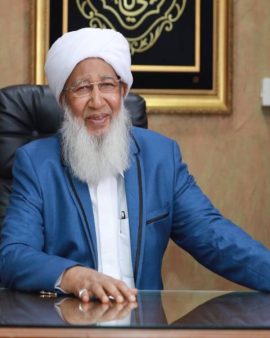
Adv. Abrahani has served as a Member of the Legislative Assembly (MLA), where he raised issues related to urban development, housing, civic amenities, and minority welfare. His tenure as an elected legislator was marked by a people-centric approach and a consistent effort to ensure that marginalized voices were heard in policy-making forums. In addition, he has been elected twice as a Municipal Corporator, reflecting the enduring trust and confidence reposed in him by the electorate at the grassroots level.

His administrative experience extends to his role as Chairman of MHADA (Maharashtra Housing and Area Development Authority), where he contributed to initiatives aimed at improving housing infrastructure and addressing the needs of economically weaker sections. This role further strengthened his reputation as an administrator capable of handling complex urban and housing challenges.

Beyond law and politics, Advocate Abrahani currently serves as the President of Islam Gymkhana, a premier socio-cultural institution. In this capacity, he has worked to promote educational, cultural, and social initiatives, fostering community cohesion and dialogue.
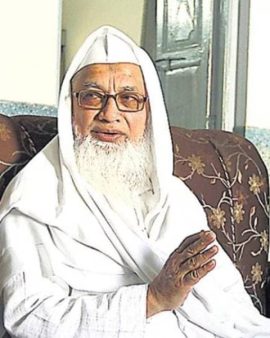
With a career defined by integrity, service, and leadership, Advocate Yusuf Mohamed Abrahani continues to play a significant role in public life, combining legal expertise with a steadfast commitment to social progress and inclusive development.


Yusuff Ali - selected in the list of  The Most Influential Indian Muslims  - 2025

Yusuff Ali

M.A. Yusuff Ali: Entrepreneur /Philanthropist

M.A. Yusuff Ali, born on November 15, 1955, in Nattika, Thrissur, Kerala, is the Chairman and Managing Director of LuLu Group International. A billionaire entrepreneur, he has transformed the retail landscape in the Middle East and India. The LuLu Group, with an annual turnover of $8.4 billion, operates over 100 hypermarkets and malls globally, employing over 65,000 people, including more than 30,000 Indians.

After completing his schooling at St. Xavier's High School, Thrissur, and earning a diploma in Business Management, Yusuff Ali moved to Abu Dhabi in 1973 to join his uncle's business. He diversified the family venture, expanding it into food processing, wholesale distribution, and retail. In the 1990s, he launched the LuLu Hypermarket chain, revolutionizing the retail sector in the UAE.

In India, Yusuff Ali has invested significantly in infrastructure, banking, and retail. His first retail venture, the LuLu International Shopping Mall in Kochi, opened in 2013 and remains one of the largest in the country. Since then, the LuLu Group has established malls in Thiruvananthapuram, Bengaluru, Lucknow, and Hyderabad. He has also acquired stakes in several Indian banks, including the Federal Bank and South Indian Bank.

A committed philanthropist, Yusuff Ali supports numerous charitable initiatives. He contributed ₹9.5 crores for Kerala flood relief in 2018 and pledged ₹50 million during the 2019 floods. His global CSR efforts include adopting schools in Gaza and Nepal and establishing a multi-faith funeral center in Sharjah.

Recognized as one of Forbes’ top Indian business leaders in the Arab world, Yusuff Ali was ranked 39th on Forbes India’s 100 Richest Tycoons list in 2024, with a net worth of $7.4 billion. Beyond his business success, he is deeply involved in social and economic welfare, particularly for the Indian diaspora in the Gulf region, showcasing his enduring commitment to humanity and progress.
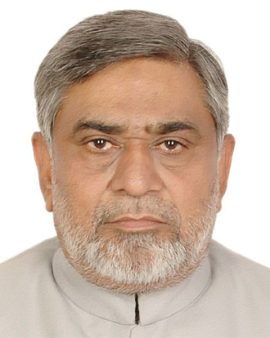
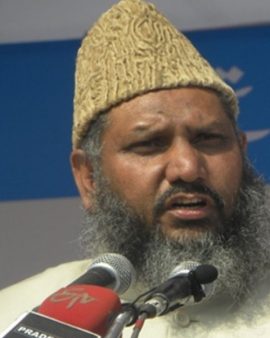

Zahir Ishaq Kazi - selected in the list of  The Most Influential Indian Muslims  - 2025

Zahir Ishaq Kazi

Zahir Ishaq Kazi: Community leader/ Educationist

Dr. Zahir Ishaq Kazi (born1954) is a prominent figure in education, literature, and medicine, serving as the President of Anjuman-I-Islam, the largest educational conglomerate catering to minorities in India, founded in 1874. He earned his MBBS from Goa Medical College and pursued advanced medical training in Radiology, with fellowships at prestigious institutions in the U.S. Dr. Kazi's extensive medical career includes significant roles in renowned hospitals in Mumbai and an international assignment at King Fahad Hospital in Saudi Arabia.

His association with Anjuman-I-Islam spans over 30 years, where he has held various leadership positions, ultimately becoming its president for the last 15 years. Under his leadership, the organization has experienced substantial growth, introducing new institutions and programs while ensuring accreditation and financial stability. Notably, Dr. Kazi championed women's empowerment by appointing over 85% of women as heads of institutions and transforming orphanages into compliant and graded homes for women.

Dr. Kazi's impact extends beyond education into governance, where he has served on multiple committees in Maharashtra and Goa, influenced national education policy as Chair of the National Monitoring Committee of Minority Education, and held significant roles in the Government of India. He also supports various educational trusts and has served as a Senate member at the University of Mumbai.

His contributions have been recognized through numerous national and international awards, including the “Life Time Achievement Award” from the Ministry of AYUSH and the Sir Syed Excellence National Award from Aligarh Muslim University. Dr. Kazi's visionary leadership has solidified Anjuman-I-Islam's status as a leading institution at both national and international levels.


Zameer Ahmed Khan - selected in the list of  The Most Influential Indian Muslims  - 2025

Zameer Ahmed Khan

Zameer Ahmed Khan: Karnataka Minister and Experienced Legislator

B.Z. Zameer Ahmed Khan is a prominent Indian politician from Karnataka, currently serving as the Minister for Housing, Minority Welfare, and Waqf in the state government. He represents the Chamarajpet constituency in Bengaluru as a Member of the Legislative Assembly (MLA) and is a senior leader of the Indian National Congress (INC). Known for his strong grassroots connection, leadership skills, and public engagement, Khan has been a visible figure in Karnataka politics for over two decades.

Born and raised in Karnataka, he has successfully contested multiple elections, serving as a three-term MLA from Chamarajpet. Over his political career, he has held key portfolios, including Minister for Haj and Waqf, before assuming his current responsibilities, overseeing housing policies, minority welfare programs, and administration of religious endowments. His leadership has often been noted for combining policy oversight with close engagement with local communities.

Outside politics, Khan has significant business interests, particularly in the transport and education sectors. He is a partner in National Travels, among other ventures, and has been involved in initiatives supporting educational institutions in Bengaluru and surrounding areas.

Khan maintains a strong public profile through frequent interactions with constituents and active engagement on social media platforms such as Instagram and Facebook, reflecting his commitment to accessibility and communication.

In 2021, Khan came under investigation by the Enforcement Directorate (ED) in connection with the multi-crore IMA scam, with raids conducted at his properties in August of that year. While the case attracted widespread media attention, Khan has continued his public service and political work, emphasizing his ongoing focus on governance and community welfare.

With decades of political experience, administrative responsibilities, and social engagement, B.Z. Zameer Ahmed Khan remains a key figure in Karnataka’s political landscape, particularly in matters concerning housing, minority welfare, and Waqf administration.


Zameer Uddin Shah - selected in the list of  The Most Influential Indian Muslims  - 2025

Zameer Uddin Shah

Zameeruddin Shah: A Soldier-Scholar at the Helm of Indian Academia

Zameeruddin Shah is a figure who defies easy categorization. A former Lieutenant General of the Indian Army, a diplomat, an academic administrator, and the former Vice-Chancellor of Aligarh Muslim University (AMU), Shah’s life reflects an unusual convergence of discipline, intellect, and public service. His journey from the battlefield to the university campus is a testament to leadership shaped by principle rather than position.
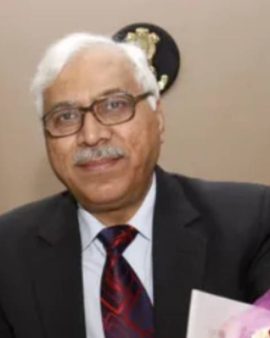
Born into a family steeped in education and public life, Zameeruddin Shah was exposed early to the values of learning and service. His academic foundations were strong, but it was his decision to join the Indian Army that would most decisively shape his worldview. Over a distinguished military career spanning nearly four decades, Shah served in diverse and demanding roles, including counterinsurgency operations and high-level command positions. Rising to the rank of Lieutenant General, he earned a reputation for integrity, decisiveness, and calm leadership under pressure.

After retiring from the armed forces, Shah transitioned into diplomacy and public administration, serving as India’s Ambassador to Saudi Arabia. This role required a different kind of leadership—one rooted in negotiation, cultural sensitivity, and strategic foresight. His tenure strengthened India’s engagement with the Gulf region, particularly in areas concerning the Indian diaspora, labor welfare, and bilateral cooperation.
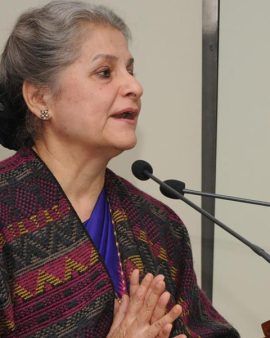
Zameeruddin Shah returned to national prominence with his appointment as Vice-Chancellor of Aligarh Muslim University in 2012. His tenure at AMU was marked by both reform and controversy, reflecting the complex realities of leading one of India’s most historic and politically sensitive educational institutions. Shah sought to instill discipline, improve administrative efficiency, and modernize governance structures, often drawing on his military background. Supporters credited him with restoring order and asserting institutional authority; critics questioned his methods in a campus environment traditionally defined by academic autonomy and debate.

What set Shah apart as an academic leader was his insistence that universities must balance freedom with responsibility. He repeatedly emphasized that institutions of higher learning should be spaces for rigorous scholarship, not perpetual agitation. His approach sparked debate, but it also forced a larger national conversation about governance, accountability, and leadership in Indian universities.
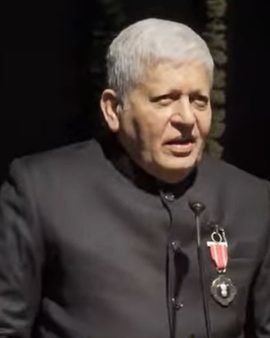
Beyond his formal roles, Zameeruddin Shah is a thoughtful writer and public commentator. His memoirs and essays offer rare insights into the intersections of the military, diplomacy, and education in India. Written with candor and restraint, his reflections reveal a leader deeply conscious of institutional decay and the moral challenges facing public life.

Colleagues often describe Shah as austere yet approachable, firm yet reflective. He is known for his personal simplicity and his belief that leadership is fundamentally about example. Faith, discipline, and a strong moral compass quietly inform his decisions, though he rarely foregrounds them publicly.

In an era when leadership is often reduced to optics and rhetoric, Zameeruddin Shah represents an older, less performative tradition—one where authority is earned through service and sustained by integrity. Whether admired or contested, his career underscores a central truth: institutions matter, discipline matters, and leadership, at its best, is a lifelong commitment to the public good.


Ziaullah Sharif - selected in the list of  The Most Influential Indian Muslims  - 2025

Ziaullah Sharif

Ziaullah Sharif: Building Enterprises, Serving Society

In an age where business success is often measured solely in profits and market dominance, Ziaullah Sharif stands out as an entrepreneur who has consistently linked enterprise with empathy. Known equally for his commercial acumen and philanthropic commitment, Sharif represents a model of leadership that sees wealth not merely as personal achievement, but as a responsibility toward society.

In 2021, Mr Sharid donated Rs.200 cr to set up Sheriff Foundation for charity works in Karnataka state. During an interview to ZeeSalaam – a local Urdu TV channel – Ziaullah Sheriff said that he donated Rs.200 crore from his personal wealth to set up Sheriff Foundation on the pattern of the world-renowned Ford Foundation. The Sheriff Foundation shall also construct hostels, colleges and mosques throughout the state. The foundation has already constructed Mysore orphanage. It has also constructed a huge girls’ hostel in Yashwantpur, Bangalore on the lands belonging to Central Muslim Association (CMA) – a Muslim organization.
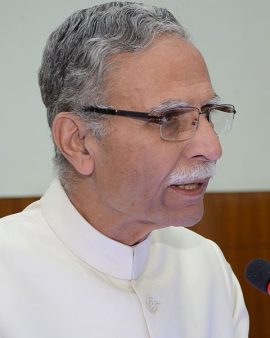
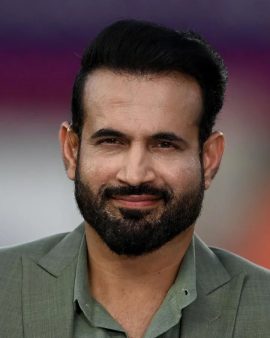
Ziaullah Sharif’s journey as an entrepreneur has been shaped by perseverance, adaptability, and a clear ethical compass. Starting from modest beginnings, he steadily built his business interests through discipline, innovation, and an acute understanding of market dynamics. Over the years, he has been associated with ventures that emphasize sustainability, fair employment practices, and long-term value creation rather than short-term gains. Those who have worked closely with him often describe him as hands-on, detail-oriented, and deeply invested in nurturing talent within his organizations.

Yet, Sharif’s identity cannot be understood through business alone. Parallel to his entrepreneurial growth runs a deep and sustained commitment to philanthropy. Unlike high-profile charity that seeks public recognition, his approach to social welfare has largely been quiet, consistent, and community-focused. He believes that meaningful philanthropy begins by listening—understanding the real needs of people rather than imposing solutions from above.

Education has been one of the central pillars of Ziaullah Sharif’s philanthropic work. Convinced that knowledge is the most powerful tool for social mobility, he has supported initiatives aimed at providing educational access to underprivileged students. From scholarships and school infrastructure to mentoring young learners, his efforts reflect a belief that empowering minds creates lasting change. He often emphasizes that education does not merely produce professionals; it shapes responsible citizens.

Healthcare and social welfare form another key area of his humanitarian engagement. Sharif has supported medical assistance programs, relief initiatives, and community health efforts, particularly for those who fall outside formal safety nets. During times of crisis, he has been known to step forward swiftly, mobilizing resources and networks to offer relief without bureaucratic delay. For him, compassion is not an abstract value but a call to immediate action.

What distinguishes Ziaullah Sharif’s philanthropic philosophy is its integration with his entrepreneurial mindset. He approaches social challenges with the same strategic thinking he applies to business—seeking efficiency, transparency, and measurable impact. This fusion of heart and strategy has allowed his initiatives to remain sustainable and effective rather than symbolic or short-lived.

Despite his achievements, Sharif maintains a notably low public profile. He avoids self-promotion and prefers to let outcomes speak for themselves. Colleagues and beneficiaries alike point to his humility, accessibility, and moral clarity as defining traits. Faith and ethical values play a quiet but significant role in shaping his worldview, guiding both his business conduct and social commitments.

In a world increasingly divided between wealth and want, Ziaullah Sharif’s life offers a compelling narrative of balance—where success is pursued without losing sight of service. As an entrepreneur and philanthropist, he exemplifies the idea that true leadership lies not just in building enterprises, but in uplifting lives and strengthening the social fabric.


Muslim Mirror 100: The Most Influential Indian Muslims 2025

Copyright © 2024 | All rights reserved. | Website Designed & Maintained by Aash App Developers