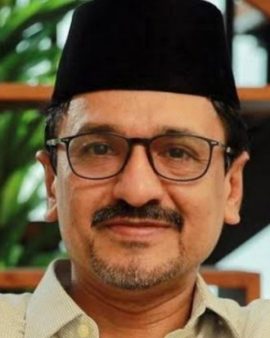
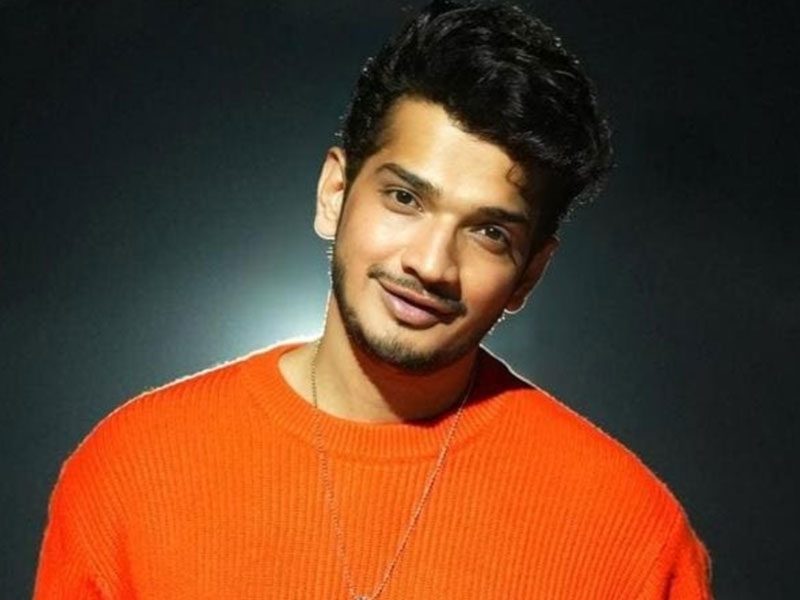
Munawar Faruqui: Stand-Up Comedian and Reality TV Star from Gujarat
Munawar Faruqui (born 28 January 1994) is an Indian comedian, rapper, and singer known for his sharp wit, social commentary, and reality television appearances. In 2022, he won the reality show Lock Upp (Season 1), and in 2023, he emerged as the winner of Bigg Boss 17, cementing his popularity across India.
Born in Junagadh, Gujarat, into a Gujarati Muslim family, Faruqui faced severe financial hardships during his childhood. His father fell into debt, prompting Faruqui to leave school after the fifth grade and take up odd jobs, including working at a gift shop and helping his mother and grandmother sell snacks. His mother tragically passed away when he was 14, after which he relocated to Mumbai, where he continued to work and support his family. His father died in 2020 after a period of paralysis.
Faruqui began his comedy career by uploading stand-up videos on YouTube, with early works including “Dawood, Yamraaj & Aurat” (April 2020) and “Ghost Story” (February 2021). He also ventured into music, releasing his debut song “Jawab” in collaboration with Spectra in August 2020. He later participated in the Entertainers Cricket League (ECL), further broadening his public profile.
Despite his success, Faruqui has been involved in controversies. In January 2021, he was arrested in Indore during a stand-up show over alleged remarks on religious figures, leading to 37 days of imprisonment before being granted bail by the Supreme Court. In March 2024, he was briefly detained during a police raid in Mumbai, later released on bail.
In his personal life, Faruqui married Jasmine in 2017, with whom he has a son; they divorced in 2022. He later dated social media influencer Nazila Sitaishi, and in May 2024, he married makeup artist Mehzabeen Coatwala.
Munawar Faruqui’s journey from a challenging childhood to becoming one of India’s most recognized comedians highlights his resilience, talent, and ability to connect with audiences across diverse platforms.