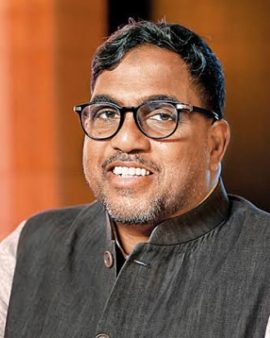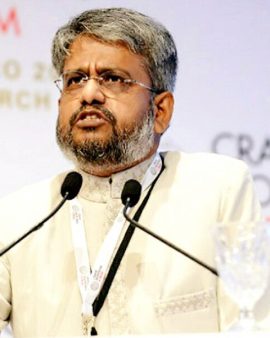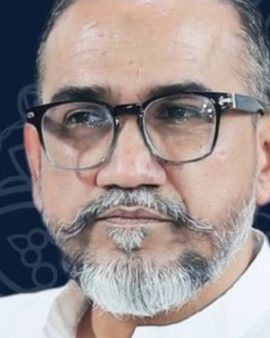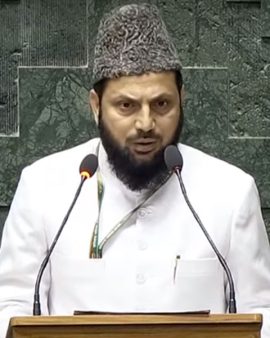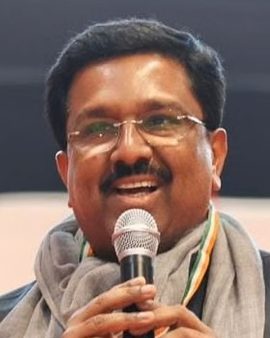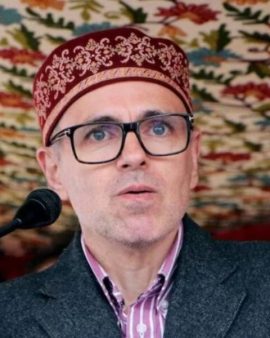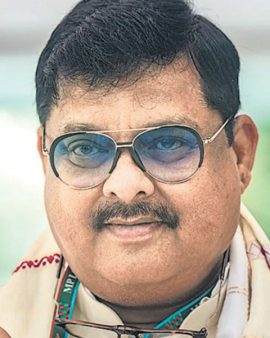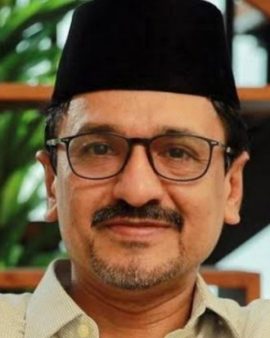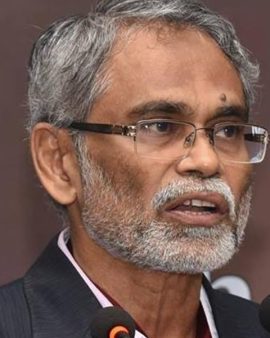
Akhtarul Iman: A Firm Voice of Muslim Representation in Bihar Politics
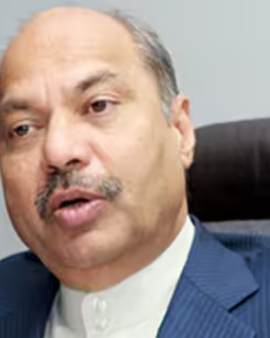
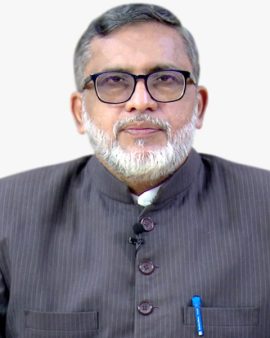
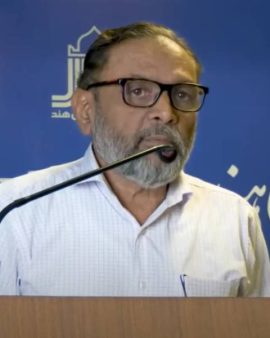
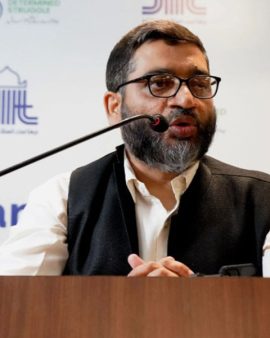
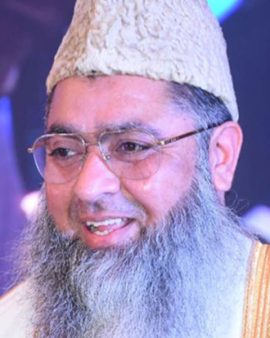
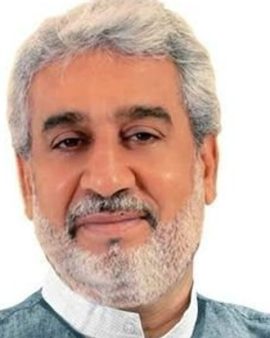
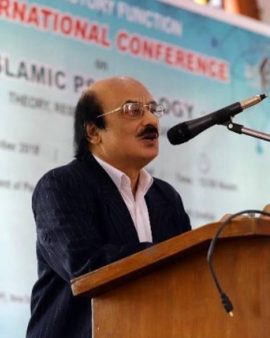
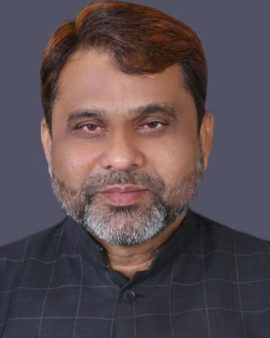
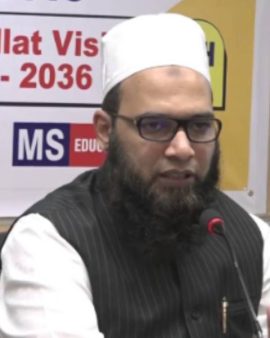
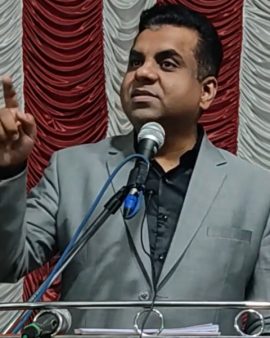
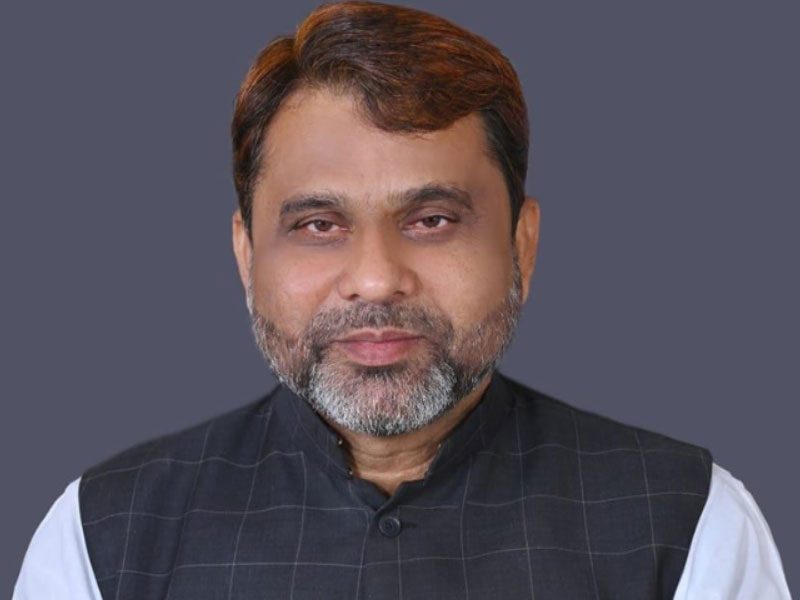
Akhtarul Iman is a prominent political leader from Bihar and a senior figure in the All India Majlis-e-Ittehadul Muslimeen (AIMIM). Known for his articulate speeches and grassroots connect, he has emerged as one of the most visible Muslim political voices in the state. He currently serves as a Member of the Bihar Legislative Assembly, representing the Amour constituency in Purnia district, a region with a significant minority population.
Akhtarul Iman’s political journey is marked by consistency, perseverance, and a strong commitment to minority rights and social justice. He began his career in regional politics and gradually built a reputation as a leader who speaks fearlessly on issues affecting marginalized communities, particularly Muslims, Dalits, and backward classes. His entry into AIMIM strengthened the party’s organizational presence in Bihar, especially in the Seemanchal region, where issues of poverty, migration, lack of infrastructure, and communal harmony remain pressing.
As an MLA, Akhtarul Iman has repeatedly raised concerns in the Bihar Assembly regarding education, healthcare, unemployment, flood relief, and law-and-order issues affecting his constituency. He is known for holding the government accountable through pointed questions and interventions, earning him recognition beyond party lines. His political style combines assertiveness with accessibility, making him popular among youth and grassroots workers.
Akhtarul Iman is also credited with playing a key role in expanding AIMIM’s footprint in Bihar, helping the party emerge as a significant political force in minority-dominated areas. Despite facing criticism from rivals, he remains steadfast in his belief that Muslims must have an independent and effective political voice within India’s democratic framework.
Grounded, outspoken, and deeply connected to his constituency, Akhtarul Iman continues to be a central figure in Bihar’s evolving political landscape, particularly in debates around minority representation and inclusive development.