Pirzada Md. Abbas Siddiqui: Cleric-Turned Politician from Furfura Sharif
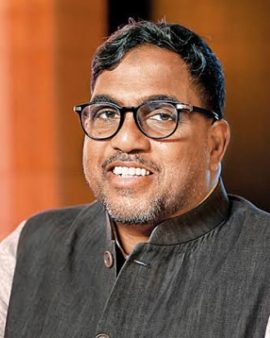
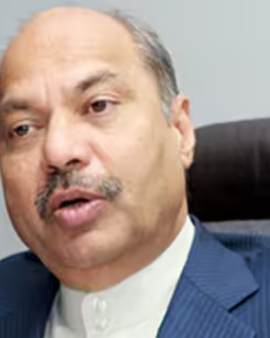
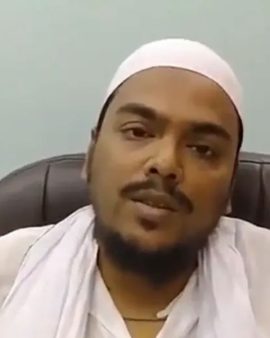
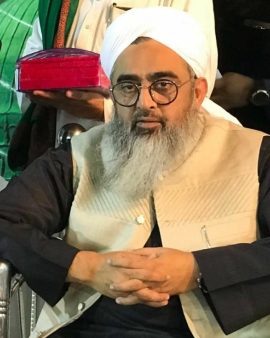
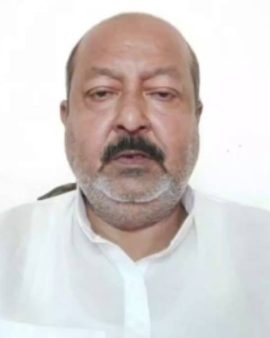
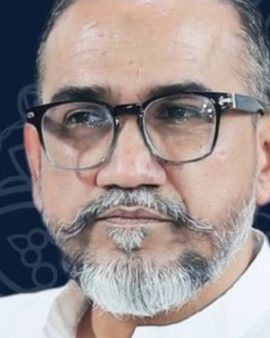
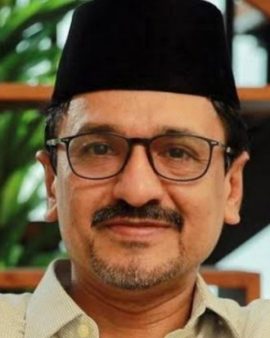
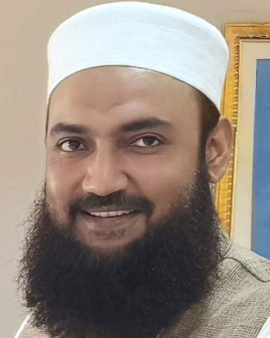
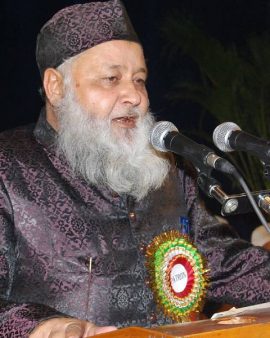
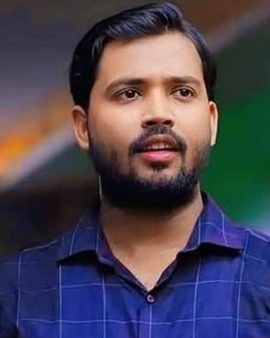
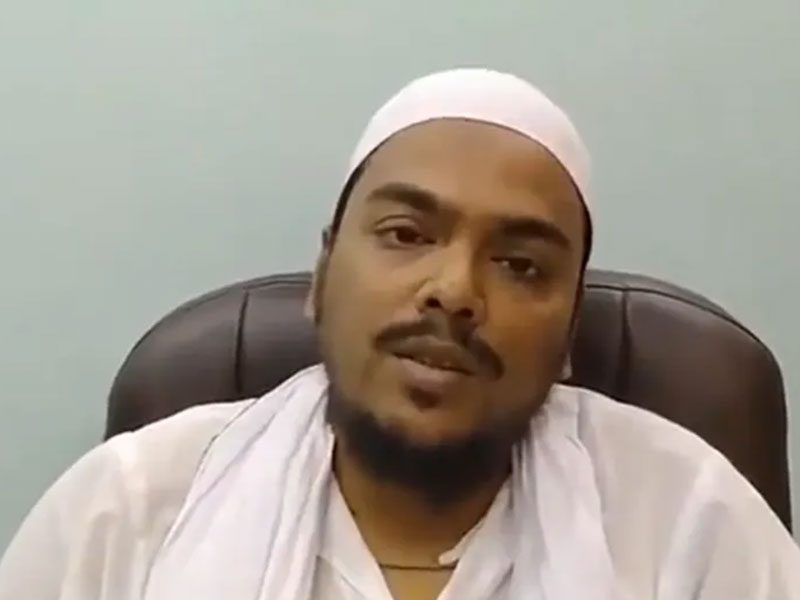
Pirzada Md. Abbas Siddiqui (born 1987) is an Indian Islamic scholar, social activist, and politician from West Bengal, best known as the founder of the Indian Secular Front (ISF), a political party launched in 2021. He is a cleric of Furfura Sharif, a prominent Islamic spiritual centre in Hooghly district, and belongs to the influential Siddiqui family, which has historically been the custodian of the Furfura Sharif shrine.
Abbas Siddiqui was born to Pirzada Ali Akbar Siddiqui and is the great-grandson of Mohammad Abu Bakr Siddique, the founder of the Silsila-e-Furfura (Furfura Sharif order). The shrine has long played a significant role in shaping the religious and social life of Muslims in Bengal. He is also the nephew of Toha Siddiqui, another well-known cleric associated with the institution. Abbas Siddiqui received his religious education in Islamic theology at Furfura Fatehia Senior Madrasah, grounding him firmly in traditional scholarship.
Entering public life as a social and religious figure, Siddiqui gradually emerged as a vocal advocate for Muslim representation and social justice. On 21 January 2021, he formally launched the Indian Secular Front, positioning it as a platform for marginalized communities, particularly Muslims, Dalits, and backward classes. Initially, the party explored an alliance with AIMIM, led by Asaduddin Owaisi, but the arrangement did not materialize. Subsequently, ISF joined hands with the Left Front and the Indian National Congress to form the Sanjukta Morcha for the 2021 West Bengal Assembly elections. Due to technical constraints, ISF candidates contested on a borrowed election symbol from the Rashtriya Secular Majlis Party.
Siddiqui has also courted controversy over certain remarks made in 2021 regarding religious offences, which drew widespread criticism across political and civil society circles. Despite this, he remains a prominent and polarising figure in West Bengal politics, reflecting the intersection of faith, identity, and democratic participation.