
Najeeb Jung: Administrator, Scholar, and the Art of Public Balance
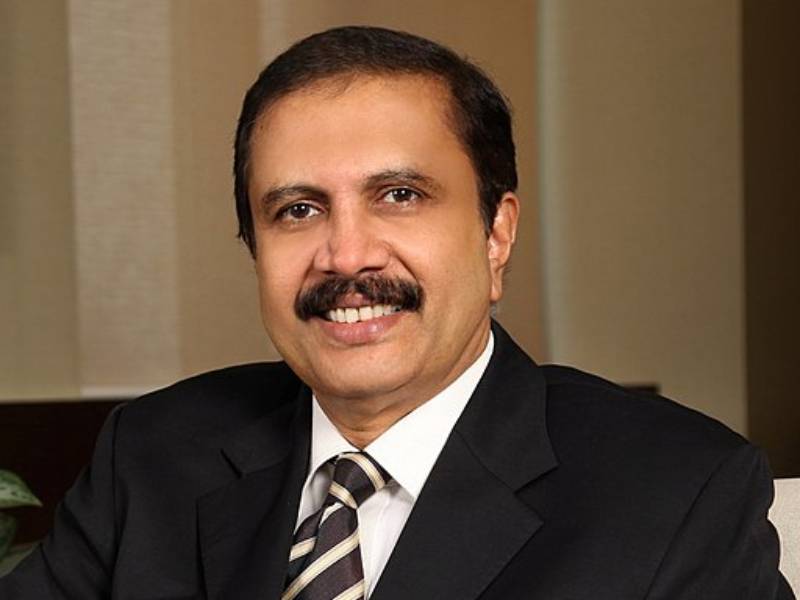
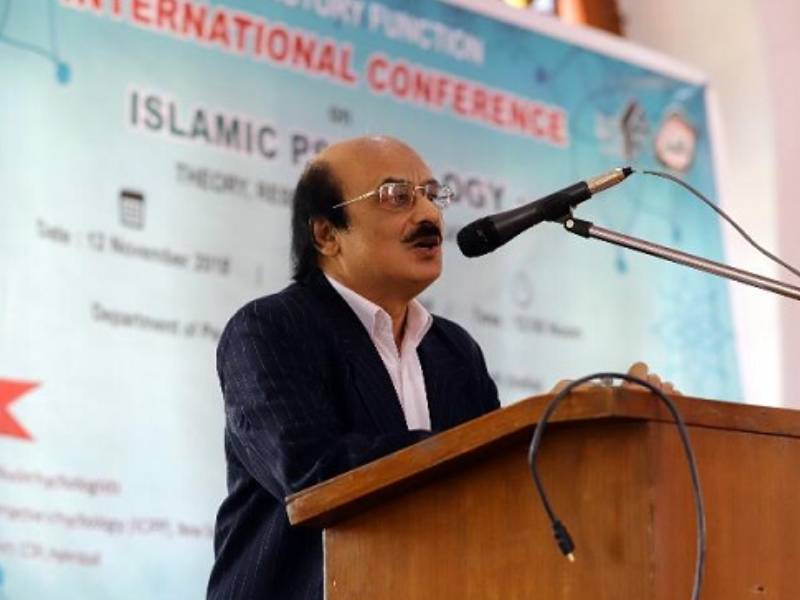
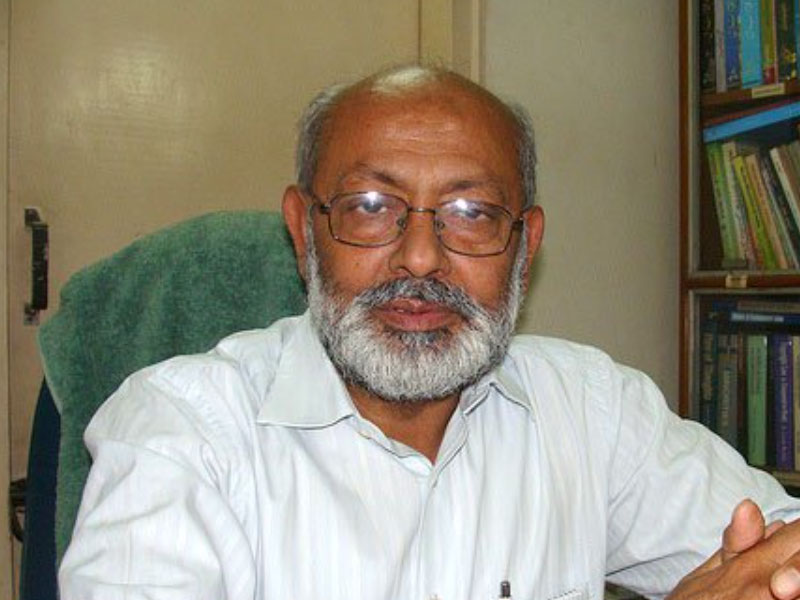
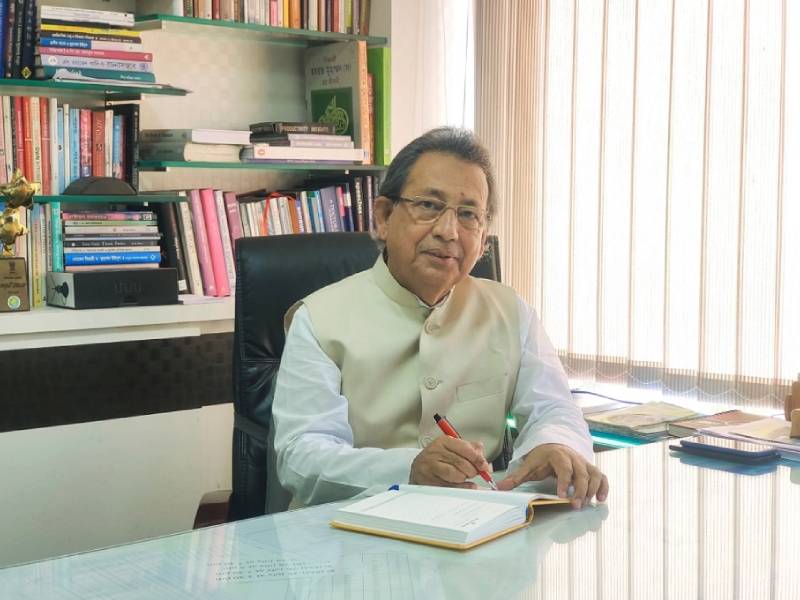
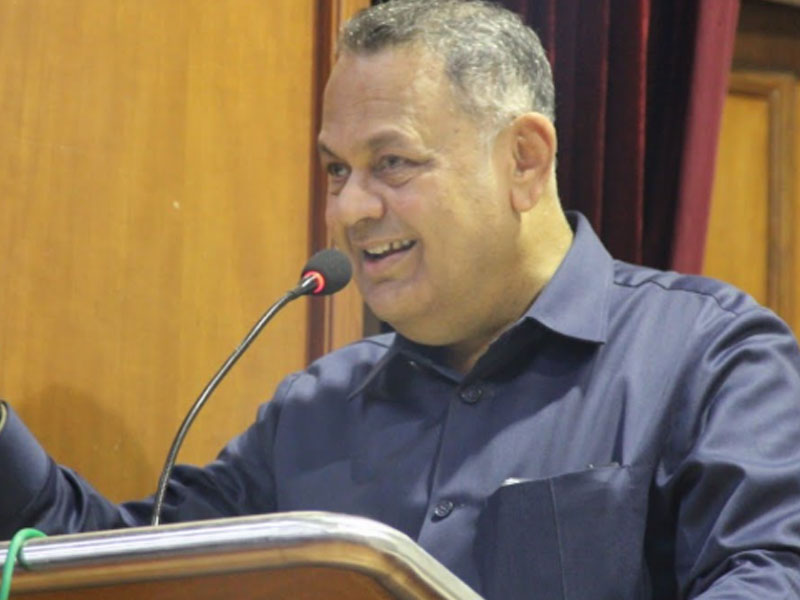
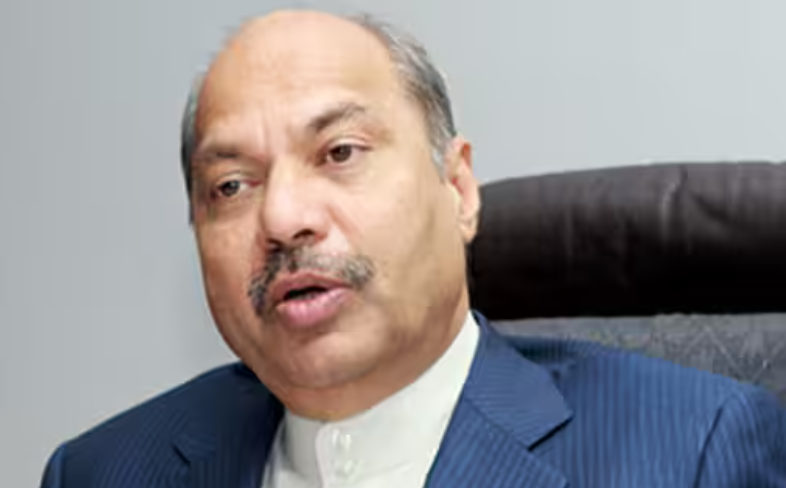
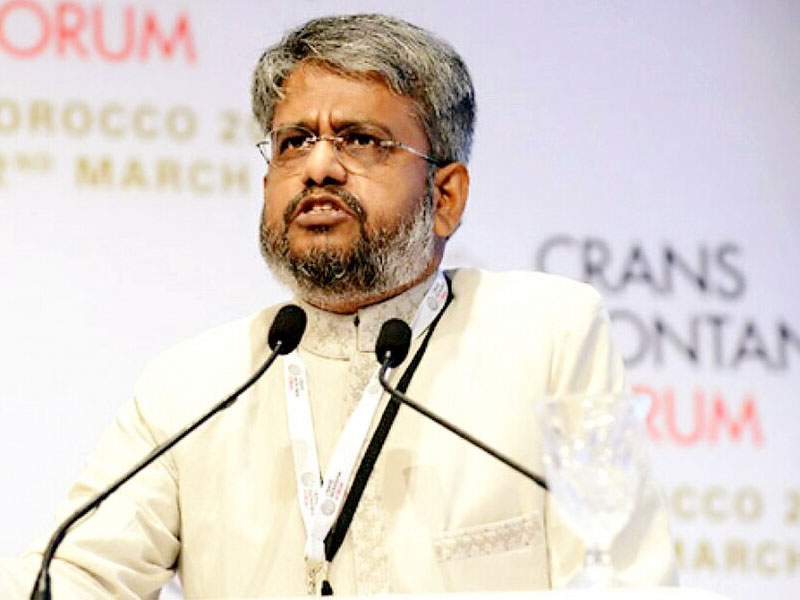
Najeeb Jung occupies a distinctive place in India’s public life—one shaped not by electoral politics but by administration, scholarship, and quiet diplomacy. Best known for serving as the Lieutenant Governor of Delhi from 2014 to 2016, Jung’s career reflects a rare blend of academic depth, institutional experience, and an ability to navigate complex political environments with restraint and intellect.
Born in 1956, Najeeb Jung was educated in some of the world’s finest institutions. He studied history at St. Stephen’s College, Delhi, before pursuing higher education at Oxford University, where he earned a doctorate in medieval Indian history. This grounding in historical scholarship has often been reflected in his public persona—measured, analytical, and conscious of institutional continuity rather than short-term political gain.
Before entering high-profile administrative roles, Jung built a distinguished career in international development. He worked for decades with organizations such as the Asian Development Bank and the United Nations Development Programme (UNDP), where he was involved in projects spanning governance reform, infrastructure development, and poverty alleviation across South and Southeast Asia. These years gave him a global outlook and a practical understanding of how policy decisions affect lives on the ground.
Najeeb Jung came into national prominence with his appointment as Delhi’s Lieutenant Governor at a time of intense political flux. His tenure coincided with a period of frequent institutional conflict between the elected Delhi government and the office of the Lieutenant Governor. Jung’s role placed him at the intersection of constitutional interpretation and political contestation, requiring a delicate balance between authority and restraint.
Supporters view Jung as a firm administrator who sought to uphold constitutional provisions and administrative norms in an unusually charged political atmosphere. Critics argue that his tenure exposed ambiguities in India’s federal structure, particularly concerning the governance of the National Capital Territory. Jung himself has often maintained that his actions were guided by constitutional duty rather than political alignment—a claim consistent with his self-image as an institutionalist rather than a partisan actor.
Beyond administration, Jung is widely regarded as a public intellectual. A prolific writer and commentator, he has authored several books and regularly contributes columns on history, politics, and contemporary governance. His writings reveal a mind attentive to nuance, often cautioning against simplistic narratives in an era increasingly defined by polarization and immediacy.
What sets Najeeb Jung apart is his ability to move between worlds—academia, international development, governance, and public commentary—without being wholly defined by any single role. Colleagues describe him as cerebral, soft-spoken, and intensely private, someone who prefers reasoned debate over rhetorical flourish.
Since stepping away from formal administrative office, Jung has continued to engage in public discourse through writing, lectures, and policy discussions. He remains a voice that emphasizes constitutionalism, institutional integrity, and the long view of history—qualities often in short supply in contemporary public life.
In an age dominated by spectacle and speed, Najeeb Jung represents a different tradition of leadership: one rooted in scholarship, process, and balance. Whether admired or contested, his career underscores the enduring relevance of intellectual rigor and institutional responsibility in navigating the complexities of modern governance.
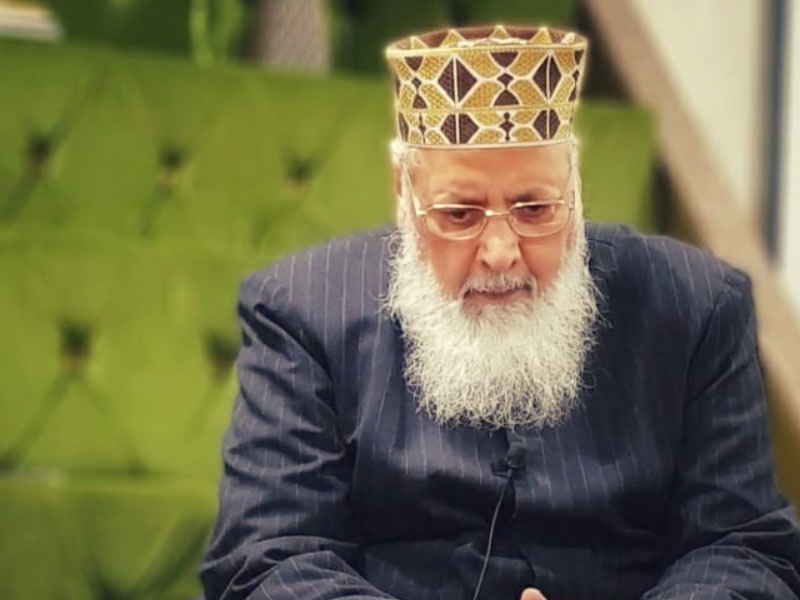
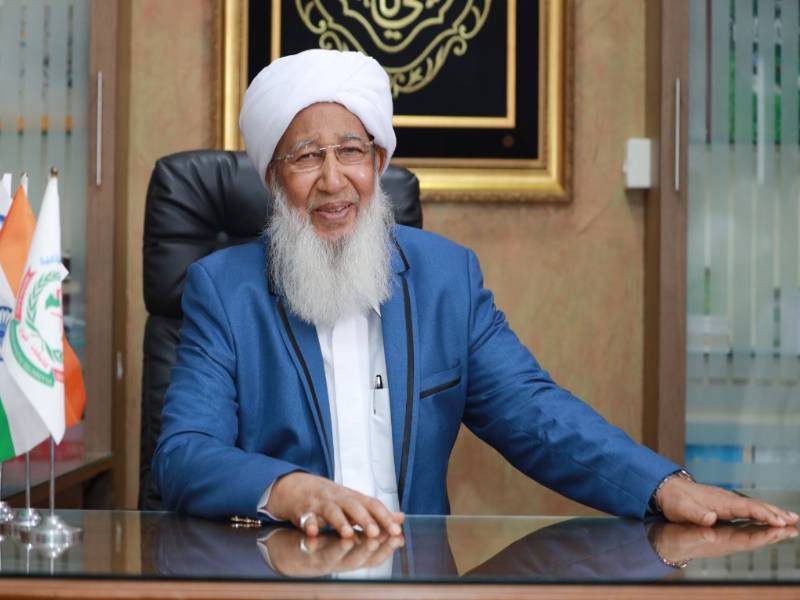
Qumruzzama Azmi: Islamic Scholar
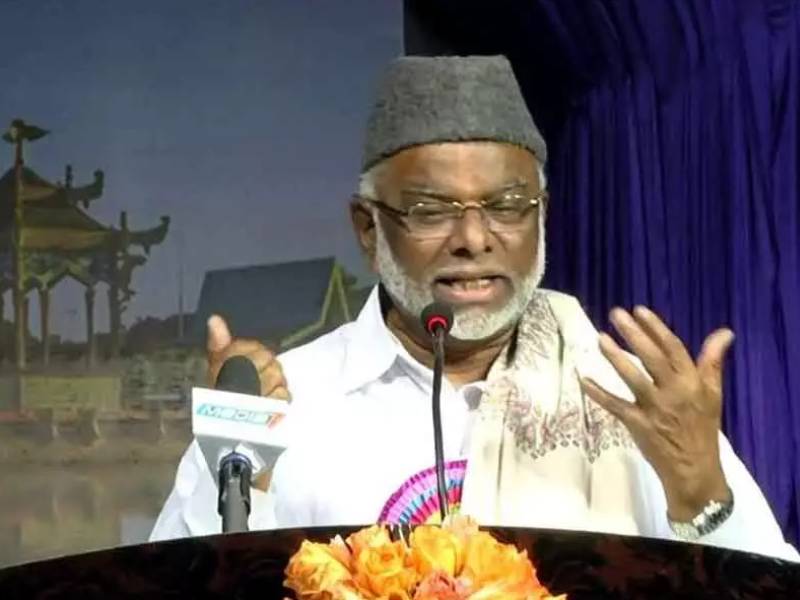
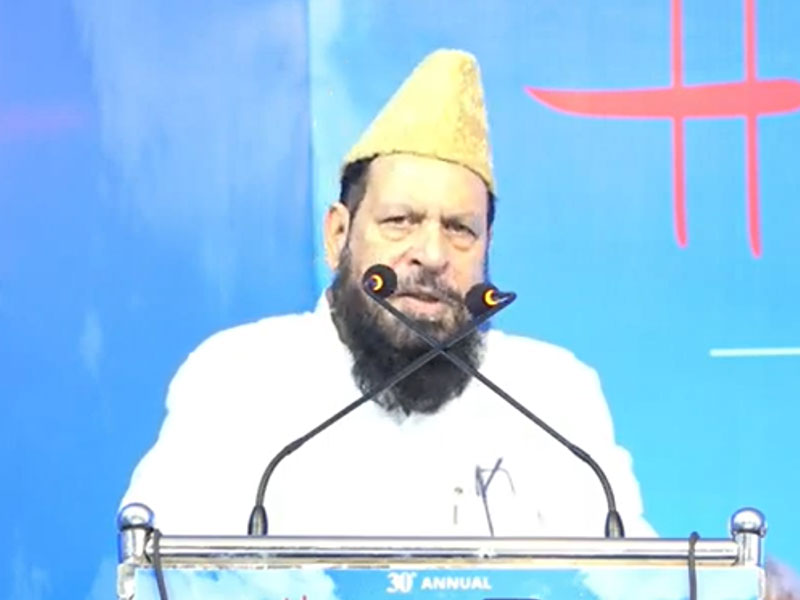
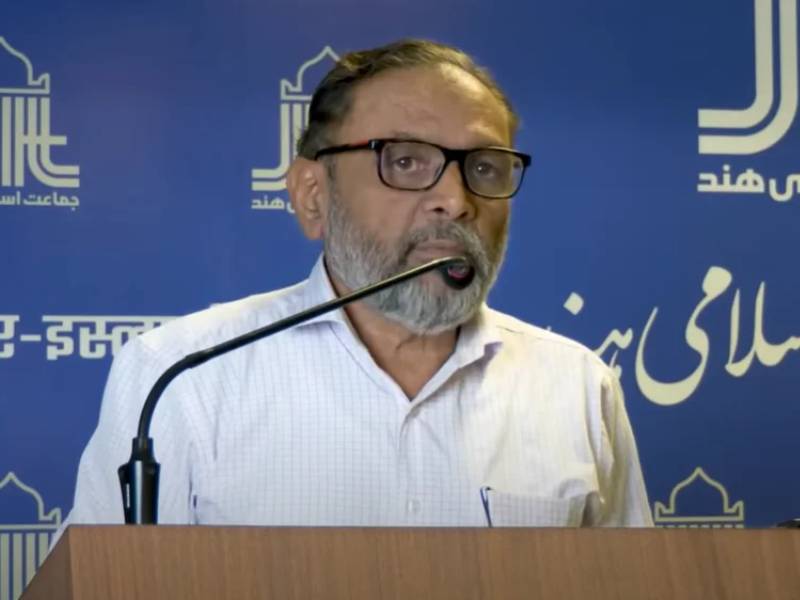
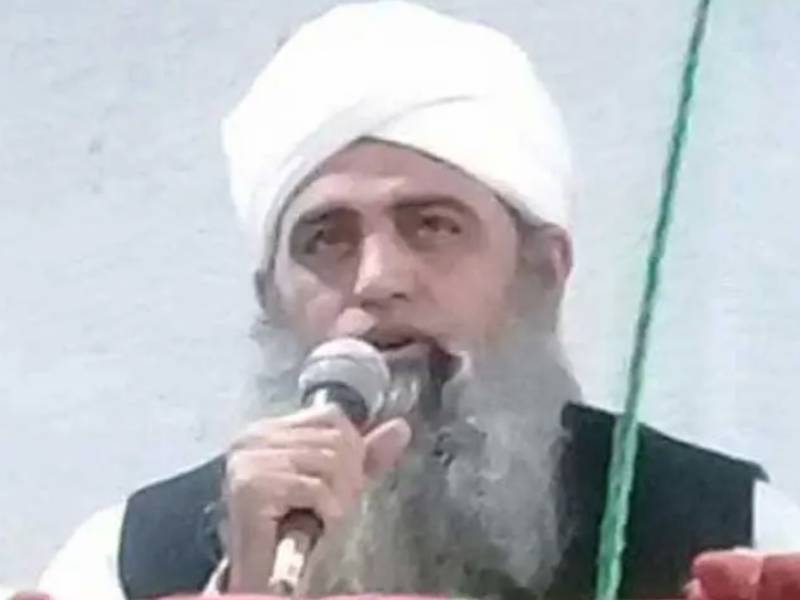
Qumruzzama Azmi (born 1946) widely respected as Maulana Azmi, is a distinguished Islamic scholar and one of the most influential voices in contemporary Islamic thought and leadership. Born in Azamgarh, Uttar Pradesh, India, in 1946, he received his early Islamic education at the esteemed Al Jamiatul Ashrafia, Mubarakpur, where he excelled in Islamic jurisprudence, theology, and Arabic literature.
Maulana Azmi’s profound understanding of Islamic teachings, coupled with his eloquence and insight, quickly earned him a reputation as a dynamic leader. His efforts to bridge gaps between communities and promote Islamic values in modern contexts have made him a sought-after scholar worldwide.
Azmi has dedicated much of his life to serving the Muslim community globally. He is closely associated with the World Islamic Mission (WIM), a prominent organization committed to promoting unity among Muslims and addressing the challenges they face. As the General Secretary of WIM, he has played a pivotal role in establishing mosques, Islamic centers, and educational institutions in various countries, particularly in Europe and North America.
An ardent advocate of peaceful coexistence, Maulana Azmi emphasizes the importance of interfaith dialogue and communal harmony. His lectures and writings have inspired countless Muslims to uphold the principles of justice, compassion, and ethical conduct.
Maulana Azmi is also deeply committed to the socio-economic upliftment of marginalized communities. He has initiated programs for education, healthcare, and poverty alleviation, ensuring the integration of Islamic values with humanitarian service.
Despite his international commitments, he remains rooted in his scholarship, dedicating time to writing, teaching, and guiding students of Islamic sciences. His intellectual contributions and spiritual leadership continue to influence generations of Muslims worldwide.
Qumruzzama Azmi’s legacy is one of knowledge, service, and unwavering dedication to the cause of Islam and humanity.